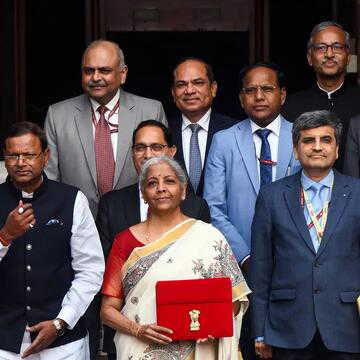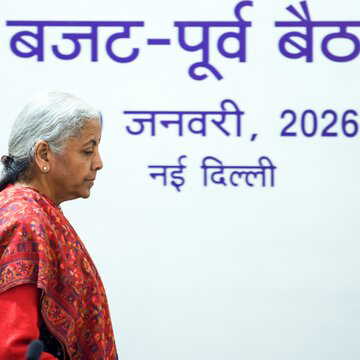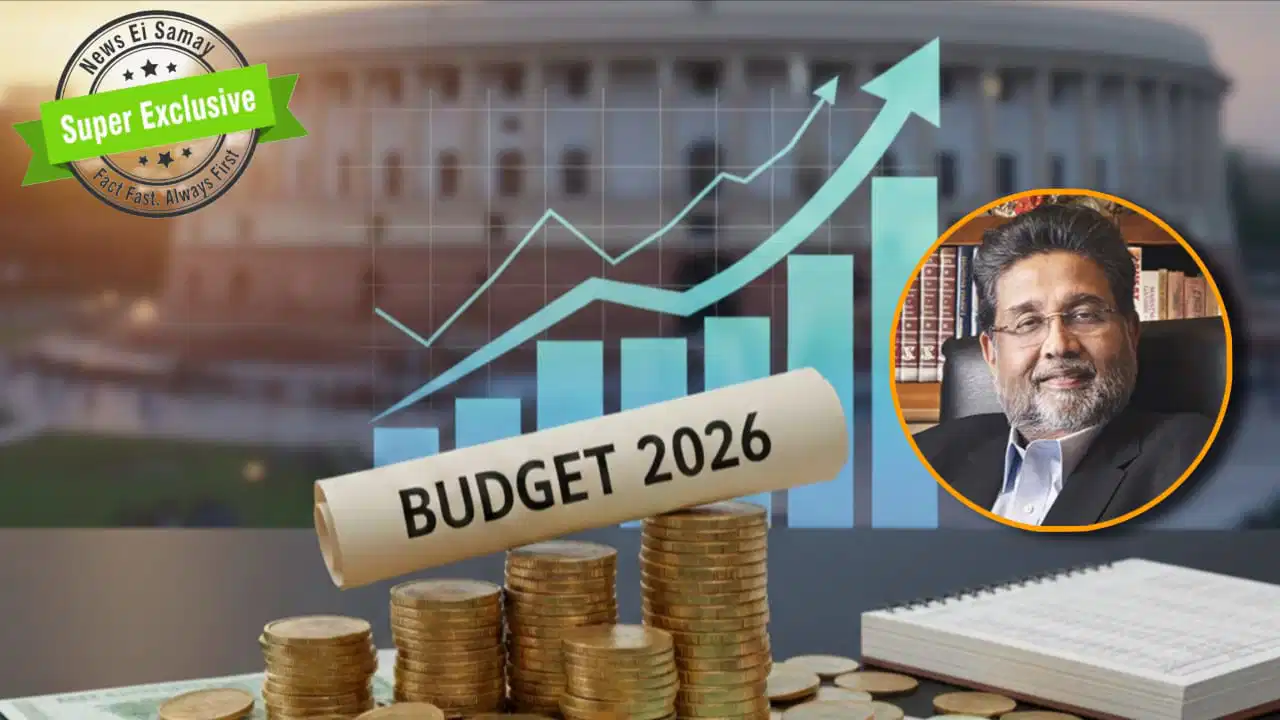
The Union Budget 2026 will be presented by Finance Minister Nirmala Sitharaman on February 1. Policymakers, investors, and business leaders across sectors are looking forward to the government's financial roadmap for the year ahead.
The Budget will be presented at a time when US President Donald Trump is imposing tariffs on various countries, including India.
As the Union government has balanced welfare with sector-specific policies, infrastructural development, and worked for the maintenance of a steady economic growth, the FY27 Budget has raised anticipation among all sections of society.
With inflation affecting food, fuel, and housing costs, there are chances of changes in income tax slabs, higher standard deduction, or incentives for savings and insurance.
Any move to boost disposable income is likely to support consumption, which remains a major driver of India’s growth. While higher spending on infrastructure and welfare is expected, markets and business leaders will closely watch how the Centre manages its deficit targets. A balance between growth spending and fiscal prudence will be critical to keep investor confidence strong and borrowing costs under control.
What should business leaders expect from Budget 2026?
As the Union government prepares to present the Budget, attention will remain firmly on how the government responds to global pressures while supporting growth at home. Industry leaders are hoping for stability, clarity, and policies that encourage investment and job creation.
Harshavardhan Neotia, Chairman, Ambuja Neotia Group says, "India's strength lies in building long-term assets - cities, healthcare systems, educational institutions, and employment-generating sectors such as real estate and hospitality. These sectors thrive not on short-term stimulus, but on policy continuity, patient capital, and thoughtful public–private collaboration."
"A forward-looking Budget that continues to prioritise infrastructure, urban development, healthcare, education, and tourism will strengthen both economic confidence and social foundations. Sustainable growth will come from steady, well-considered investments that create enduring value and serve people across generations," he further added.
Also Read | Plotted townships with a 'sense of belonging'- Ambuja Neotia Chairman explains India’s new concept of home
Jobs, MSMEs, and more to be under lens
Another area that can draw sharp focus is employment and skill development. With a young population entering the workforce every year, the Budget is expected to strengthen programmes that link education with industry needs. Sectors such as manufacturing, electronics, green energy, and logistics are seen as strong job creators if supported with the right incentives.
Industry bodies are also asking for easier labour compliance rules and support for small and medium enterprises, which employ the largest number of people in the country. while MSMEs continue to face issues related to credit access, rising input costs, and delayed payments. It can be expected that the Union Budget will expand credit guarantee schemes, reduce the cost of borrowing, and introduce faster dispute resolution systems for small businesses.
If MSMEs grow steadily, they can absorb large numbers of workers and strengthen local economies. A strong push for jobs will not only help families but also boost consumption and long-term growth. Technology and sustainability are also likely to shape Budget 2026.
India’s digital platforms in payments, identity, and governance have already gained global attention. The next phase could focus on using technology to improve healthcare delivery, education access, and rural services. At the same time, climate action is becoming a major policy priority.
The Union Budget may provide more incentives for renewable energy, electric vehicles, green hydrogen, and waste management. Support for farmers to adopt climate-smart agriculture is also expected, especially as weather patterns become more uncertain. Green financing tools, such as sovereign green bonds and sustainability-linked loans, could be expanded. By linking technology with sustainability, the government can aim for growth that is not only fast but also responsible and future-ready.