The biggest private lender in India by market value, HDFC Bank, released impressive outcomes for the third quarter that concluded on 31st December. The Mumbai-based bank announced higher-than-expected profits, which were helped by stable asset quality, growing margins, and steady loan growth. The results match with banks experiencing the benefits of lower rates of interest and a slow return in credit demand.
Profit fulfils expert estimates.
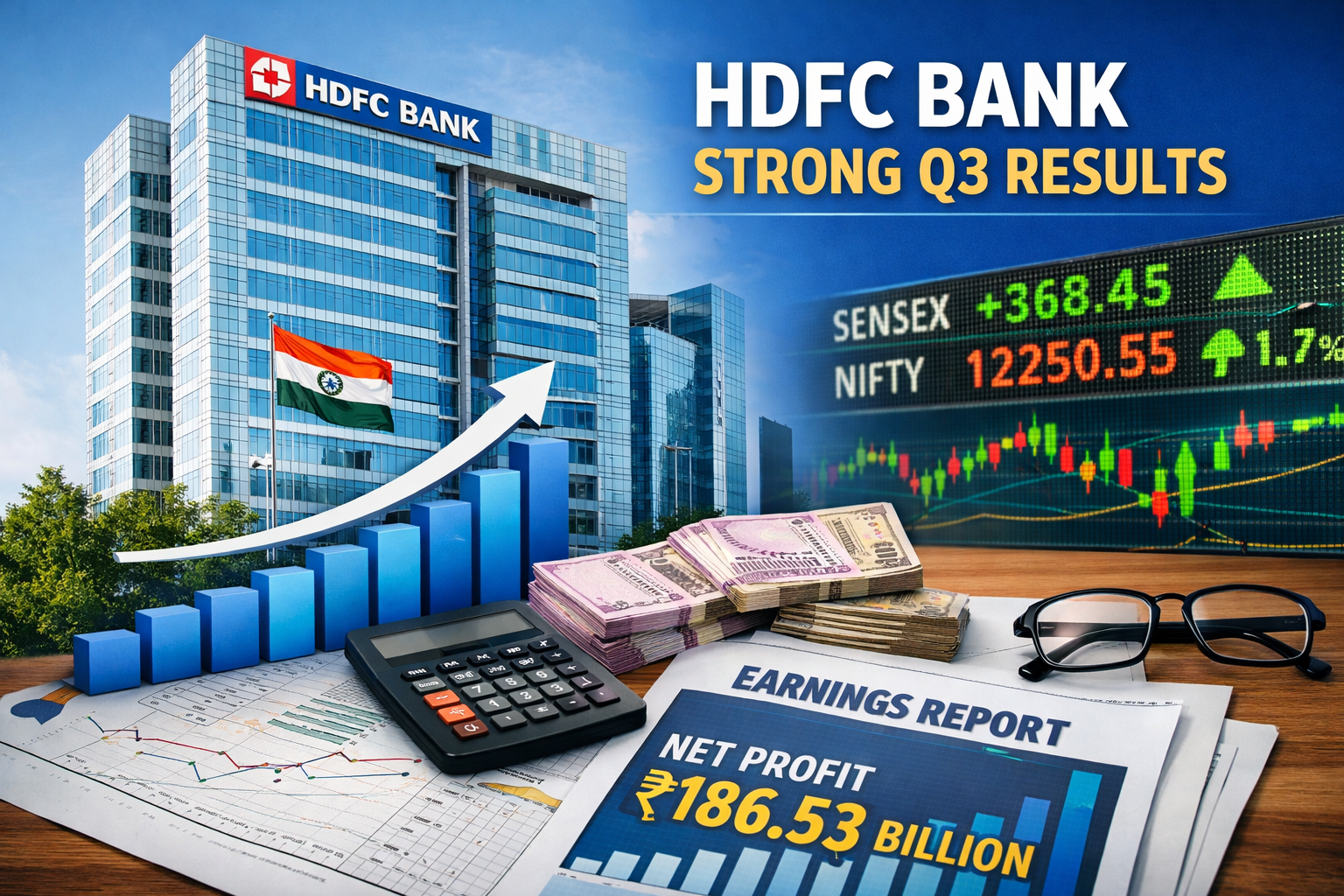
HDFC Bank posted an individual net profit of ₹186.53 billion for the October–December period, increasing 11.5% from ₹167.35 billion during the same time the previous year. Experts had predicted a profit of about ₹183.7 billion, so this result surprised market expectations. Strong profit growth is a result of higher cost control and higher income from loans.
Also Read │ What should be India’s expectations from Union Budget 2026? Expert insights, and more
In comparison to the previous year, the bank's net income rose 6.4% to ₹326.2 billion. Also, net interest margins increased from 3.27% to 3.35% every quarter. Before the Reserve Bank of India’s recent interest rate cut, profits were under pressure since loan rates changed more rapidly than deposit rates.
Loan and deposit growth
HDFC Bank's business growth stayed solid as the high demand from both small and large corporations, and loans increased by 12% yearly. Also, deposits went up by 11.6%, showing consistent trust among customers. Since joining the company HDFC two years ago, the bank has been focusing on increasing its deposits.
Also Read │ EPFO members can withdraw savings lightning-fast via UPI from April
Despite the total non-performing asset (NPA) rate staying at 1.24% from the past quarter, the bank's asset quality was the same. Better credit quality is shown by the 10% drop in measures for challenging loans to ₹28 billion. The third-quarter results of HDFC Bank showed consistent growth and sound financial standing. The bank seems strong for constant performance in the upcoming quarters due to increasing profits, high loan demand, and handling bad loans.