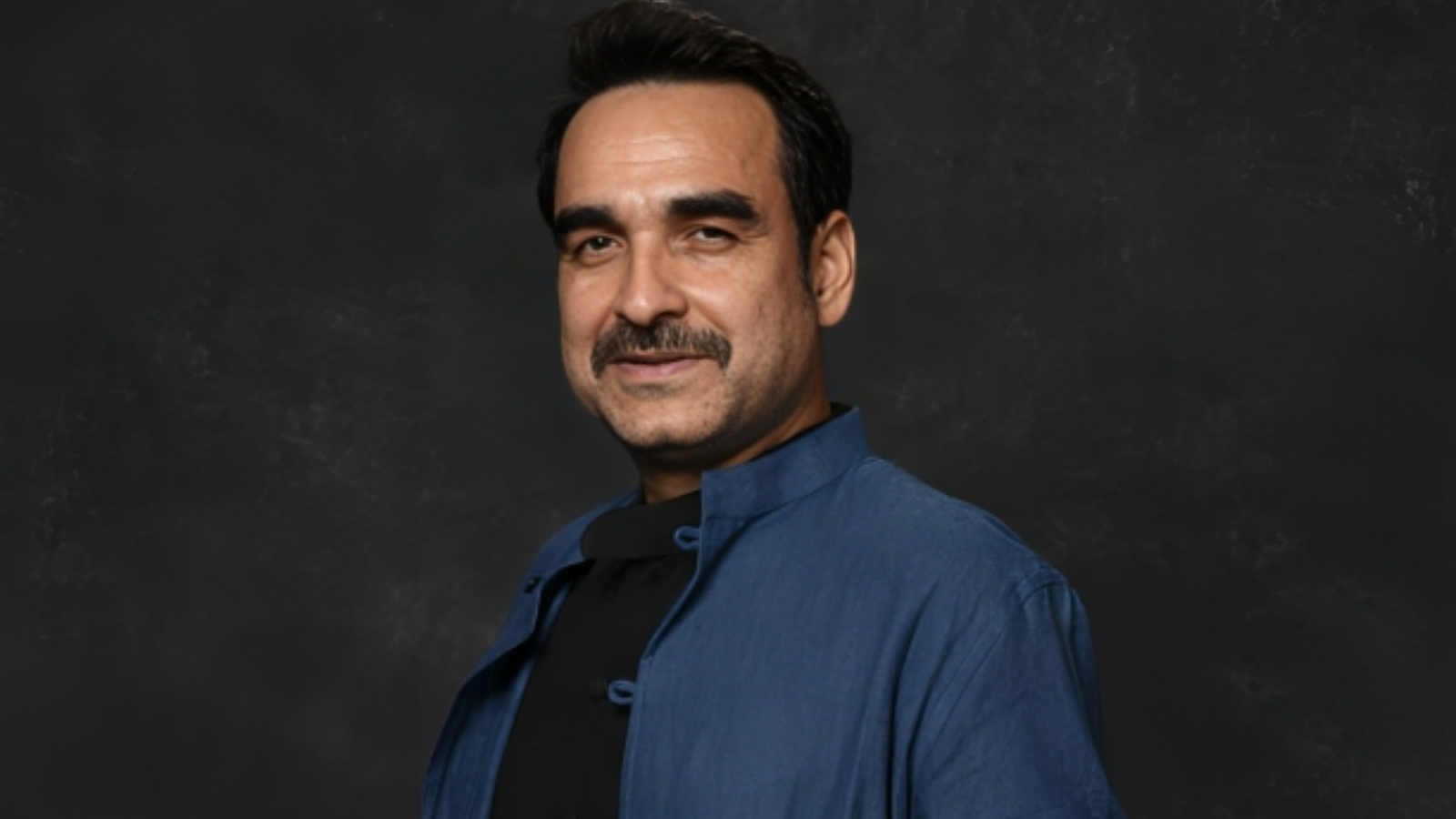
After nearly 15 years, Pankaj Tripathi has returned to the theatre with Lailaaj, driven by a desire to give back to the stage. In an exclusive conversation with Onno Somoy Prime, the actor speaks about this comeback, his initiative to support struggling actors in Mumbai, and the experience of seeing his daughter Ashi Tripathi step into the world of theatre.
“Theatre has given us so much. We often thought about what we could return,” he says. Along with his wife, Mrunal Tripathi, he has initiated ‘Rupkatha Rangmanch’ to support emerging talent.
“We wanted to create a platform for those struggling in Mumbai, where they can showcase their talent. Industry people and casting directors can come, watch, and take auditions,” he explains. The group also ensures that actors are paid. “Along with getting a stage, financial support helps solve basic problems. An actor without work is always under stress.”

Also Read | Shreya Ghoshal sings ‘Abhi Na Jaao Chhod Kar’, pays emotional tribute to Asha Bhosle at London concert
A cameo with purpose
Tripathi appears in the play in a cameo role. “Mine is a surprise character,” he says, adding that his juniors from the National School of Drama encouraged him to be part of the production. The play, directed by Faiyaz Mohammad Khan, brings to life a character that was earlier only mentioned but never seen on stage.
Sharing stage with his daughter
The production is also special as it features his daughter Ashi Tripathi in a lead role. “Very special,” he says of the experience. “The child we once took out for walks is now confidently performing big scenes.” While they do not share stage time, he describes it as a proud moment. “It feels like we’ve done good parenting.”

Ashi is currently exploring her interests. “She hasn’t decided yet. She’s enjoying theatre, is interested in filmmaking, and also writes,” he notes.
Also Read | Brett Lee's 'Haan Main Tumhara Hoon' cover goes viral following Asha Bhosle's demise
A musical with layers
The Mumbai premiere at the Royal Opera House received a full-house response. “It’s a musical play with 16–17 songs, all performed live,” Tripathi says, noting that many initially assumed the music was recorded.

Speaking about the story, he adds, “It feels like a musical comedy on the surface, but its subtext is about women’s liberation.” The play also touches on themes like the journey of art, father-son conflict, and band culture.
With upcoming shows in Kolkata, Tripathi says, “Kolkata audiences are amazing. We are very excited and expect a lot of love.”