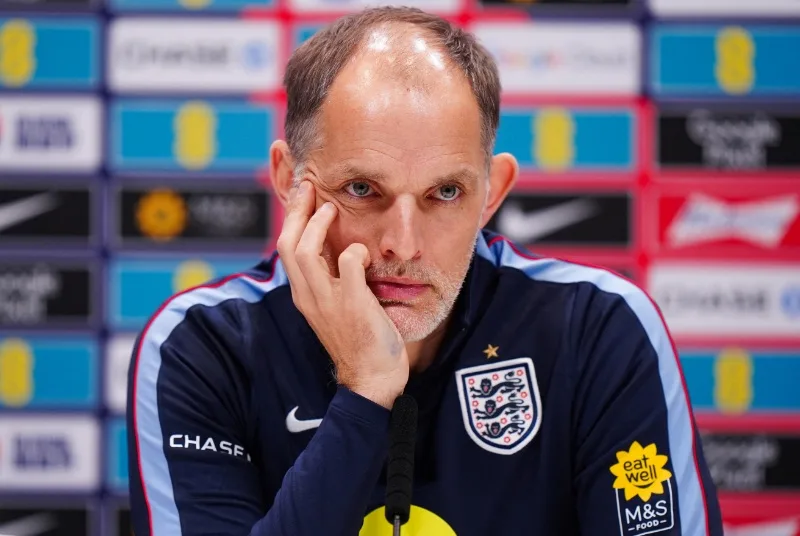
England's entertaining 4-2 victory over Croatia at the FIFA World Cup offered supporters a glimpse into a very different era under Thomas Tuchel. While Gareth Southgate restored England's reputation as a tournament force and guided the team to two European Championship finals, Tuchel appears to be rewriting England's footballing identity altogether.
The German manager has prioritised tactical clarity, speed and structure over individual stardom, creating an England side that is noticeably different in both personnel and philosophy.
The transformation is already becoming one of the biggest talking points of England's World Cup campaign.
England are playing quicker and far more aggressively
One of the most obvious changes has been the speed of England's football.
Against Croatia, England constantly recycled possession before accelerating attacks through the middle of the pitch.
The idea was explained months ago by assistant coach Anthony Barry, who believes modern football requires faster transitions in central areas rather than prolonged periods of possession.
Southgate's England typically built attacks patiently, moving forward as a unit before trying to break down deep defensive blocks.
Tuchel's England, however, deliberately invites pressure before exploiting spaces behind opposition lines.
The result is a far more direct and aggressive style that produced several dangerous moments against Croatia.
Also Read | Iran's World Cup peace message after Belgium stalemate reflects nation's turbulent backdrop
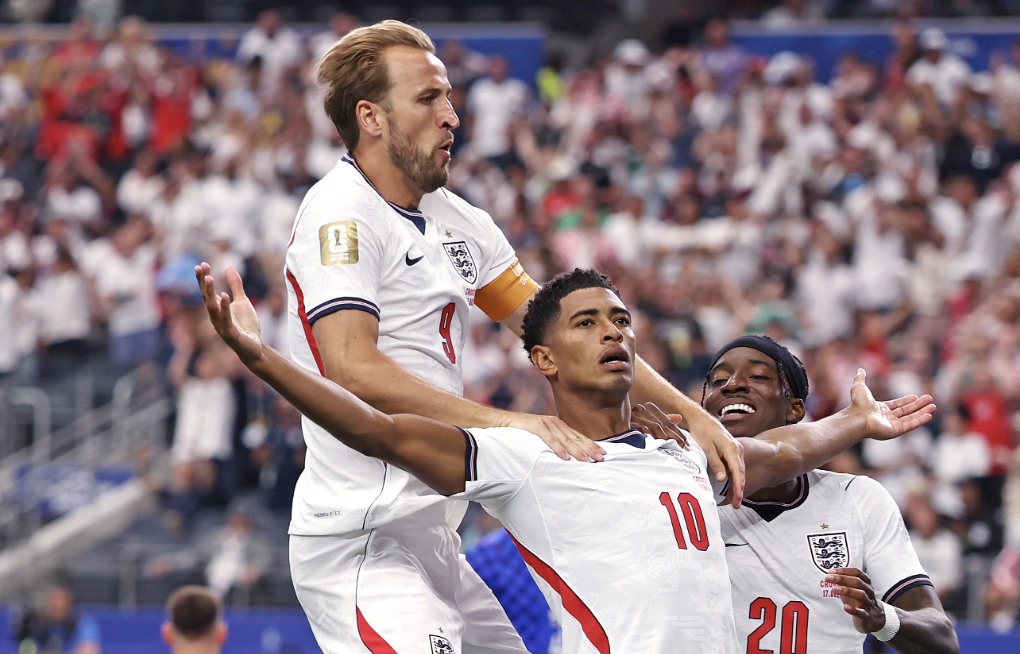 It is a classic system-over-stars approach that has become synonymous with many modern club coaches. (X/@England)
 Tuchel prioritises systems while Southgate trusted star players
Perhaps the biggest distinction between the two managers lies in squad selection.
Under Southgate, England often tried to fit as many elite players as possible into the starting lineup. At Euro 2024, Phil Foden, Cole Palmer and Trent Alexander-Arnold were all deployed in unfamiliar roles to accommodate their talent.
Tuchel has taken the opposite route.
All three players were omitted from his World Cup squad, with the German coach instead selecting footballers who perfectly fit his tactical blueprint.
Morgan Rogers, for instance, was preferred because he naturally suits the role Tuchel wants from his attacking midfielder.
It is a classic system-over-stars approach that has become synonymous with many modern club coaches.
Also Read | Messi surpasses Miroslav Klose to become World Cup's top scorer
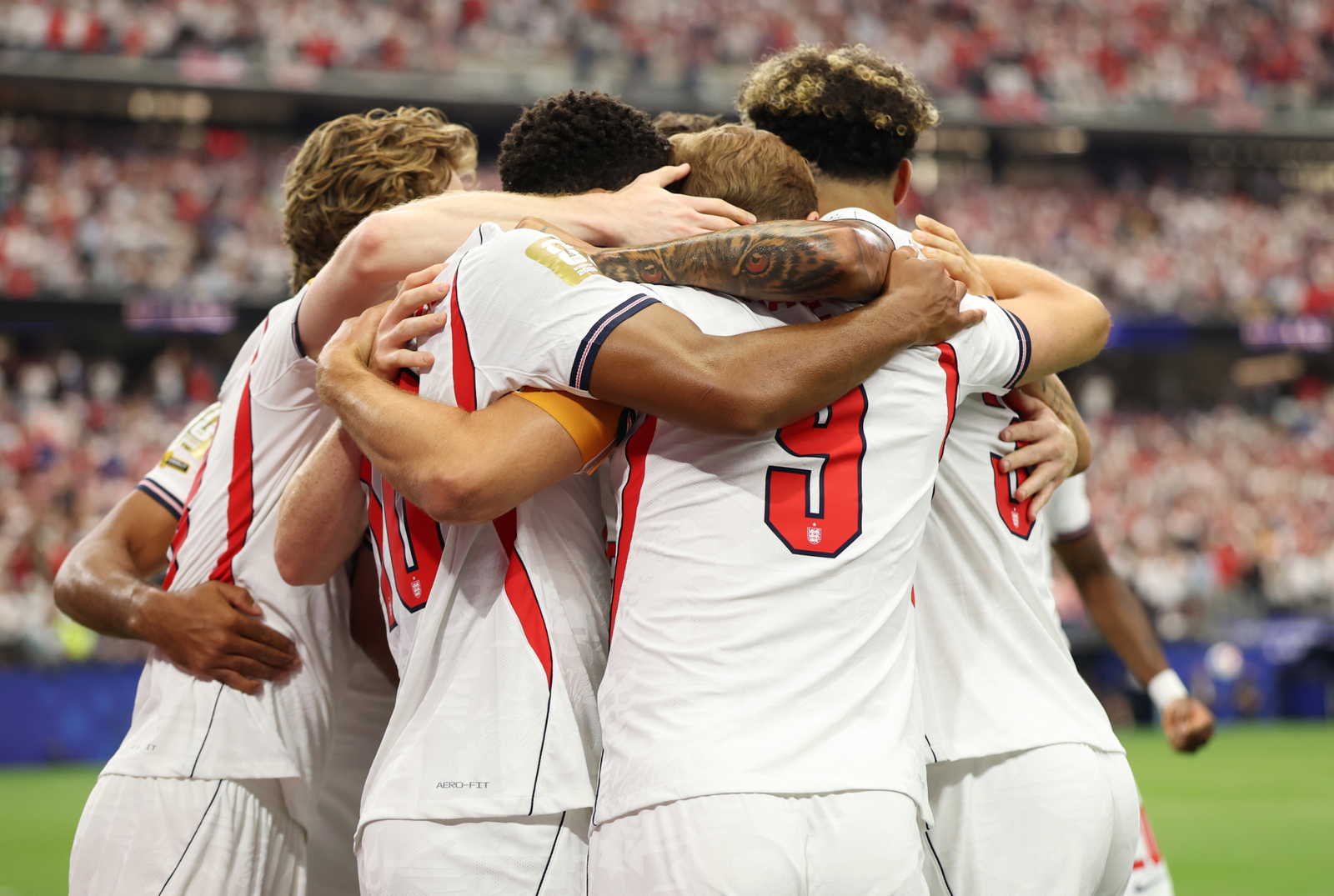 Southgate's England thrived on control and caution. (X/@England)
 Greater risk could bring greater rewards
Southgate's England thrived on control and caution.
His teams rarely allowed games to become chaotic because reducing unpredictability often increased their chances of success in tournament football.
Tuchel appears far more comfortable embracing risk.
England looked more vulnerable defensively against Croatia, but also considerably more dynamic in attack.
The substitutions reflected this philosophy, too, with Tuchel introducing players who maintained the same tactical identity rather than changing shape to protect a result.
Whether this approach ultimately delivers England their first World Cup title since 1966 remains to be seen.
What is already evident, however, is that England is no longer trying to survive games. Under Tuchel, they are trying to dominate them.
For a fanbase that has long demanded entertaining football alongside results, that may be a trade-off many are happy to accept.