Three passengers on the cruise ship MV Hondius have died after a suspected hantavirus outbreak, with one patient reported in intensive care in a South African hospital, according to the WHO.
The vessel was traveling between Argentina and Cape Verde when the outbreak came to light, and two of those who died were identified as a couple from the Netherlands. Three people were dead and three were ill after the outbreak on the Netherlands-based ship.
Also Read | Hantavirus scare at sea: What we know so far about the outbreak as it claims three
🇬🇧🇿🇦🇦🇷 A hantavirus outbreak on a cruise ship has left 3 people dead and another in intensive care.
— Mario Nawfal (@MarioNawfal) May 3, 2026
The MV Hondius, a polar expedition vessel carrying around 170 passengers and 70 crew, was sailing from Argentina to Cape Verde when 6 people became ill.
3 have now died,… pic.twitter.com/TshiVVzIuW
What is hantavirus?
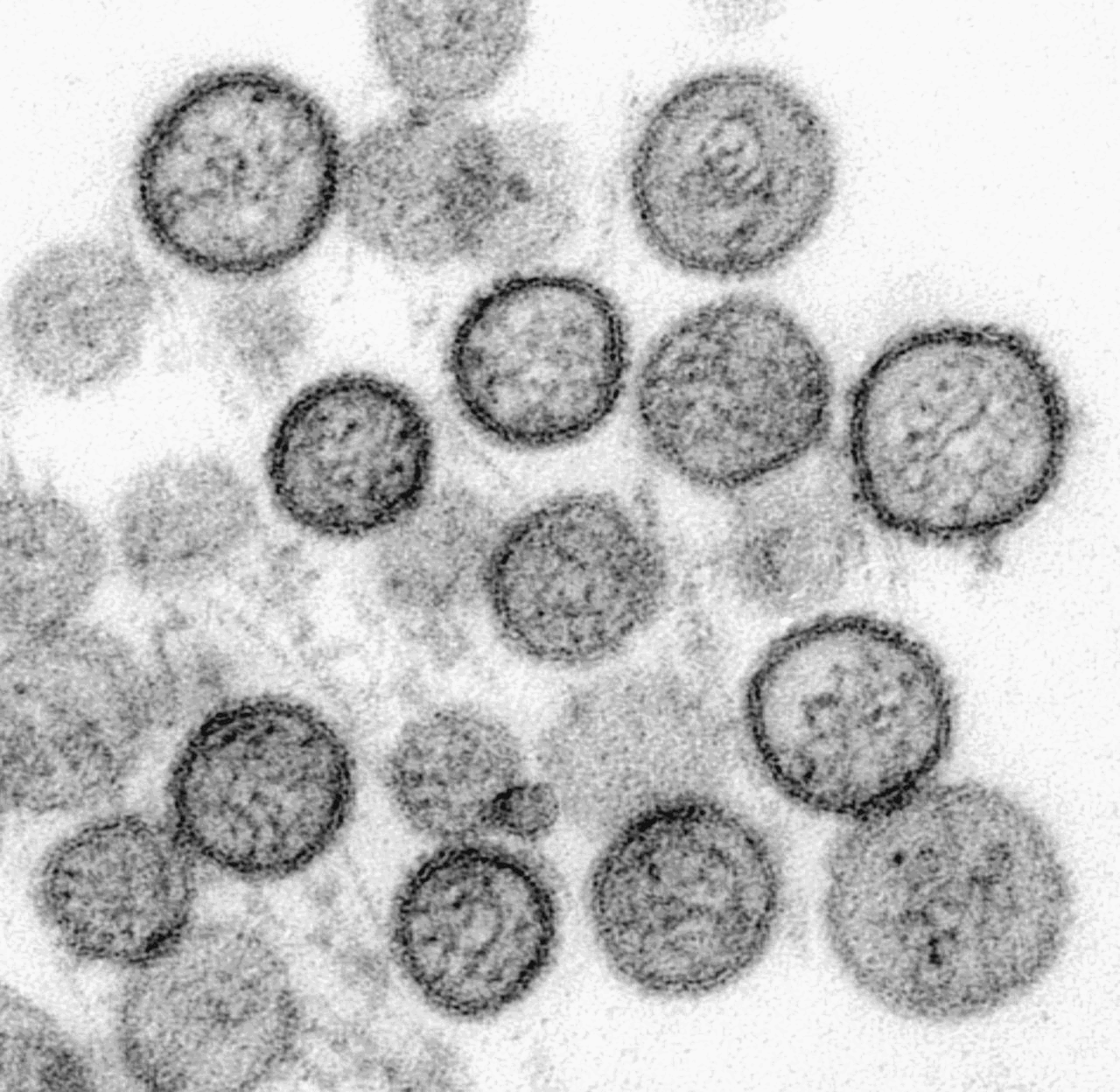
Hantavirus is not a single virus but a family of viruses that can cause serious illness in humans.
The CDC says hantaviruses are spread mainly by rodents and can cause two major disease syndromes: hantavirus pulmonary syndrome, which affects the lungs, and hemorrhagic fever with renal syndrome, which affects the kidneys.
Rodent species such as mice, rats, and voles are the natural reservoirs for the virus. The CDC notes that contact with rodent urine, droppings, and saliva is the main route of exposure.
WHO is aware of and supporting a public health event involving a cruise vessel sailing in the Atlantic Ocean. To date, one case of hantavirus infection has been laboratory confirmed, and there are five additional suspected cases. Of the six affected individuals, three have died… pic.twitter.com/SqMAAZzoID
— World Health Organization (WHO) (@WHO) May 3, 2026
How does it spread?
People usually become infected when they inhale particles from contaminated rodent waste, especially when droppings or urine are disturbed during cleaning, sweeping, or work in enclosed spaces such as cabins, sheds, or storage rooms.
The virus is not spread person-to-person as a general rule. Some reports, however, note that rare human-to-human transmission has been documented for certain strains. Public health agencies stress that the usual route remains rodent exposure rather than casual contact.
Symptoms and why it is dangerous
Hantavirus pulmonary syndrome typically begins one to eight weeks after exposure and can first look like the flu, with fatigue, fever, and muscle aches.
As the illness progresses, patients may develop coughing, shortness of breath, and fluid in the lungs. About 38% of people who develop respiratory symptoms may die from the disease. In the kidney-related form, symptoms can include headache, back and abdominal pain, fever, nausea, and, in severe cases, low blood pressure and kidney failure.
Treatment and prevention
When it comes to treating hantavirus, doctors don't have a specific antiviral drug they can reach for. There's no targeted medicine that fights the virus directly. Instead, treatment is really about keeping the body supported while it fights the infection on its own.
That means making sure the patient gets plenty of rest, stays well hydrated, and has their symptoms managed as comfortably as possible. If the lungs take a serious hit, a patient might need help breathing through a ventilator, and if the kidneys are affected, dialysis may be needed to do the work the kidneys can no longer handle on their own.
On the prevention side, it all comes down to keeping rodents out of your life as much as possible. That means sealing up any cracks or gaps in your home where mice or rats could sneak in, tackling any existing infestations, and storing food in containers that rodents can't get into.
One thing worth knowing, and this surprises a lot of people, is that even cleaning up rodent droppings can be risky if done carelessly, because sweeping or vacuuming can kick contaminated dust into the air, which is actually how many people get infected in the first place.
As for the cruise ship outbreak, health officials are treating it as an important wake-up call. Hantavirus may be rare, but rare doesn't mean harmless. When exposure happens, the consequences can be very serious, very quickly.