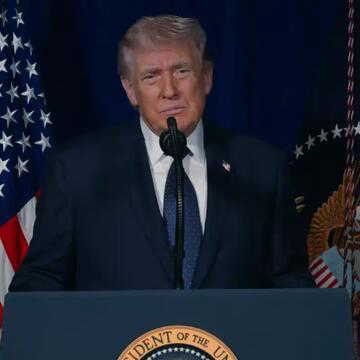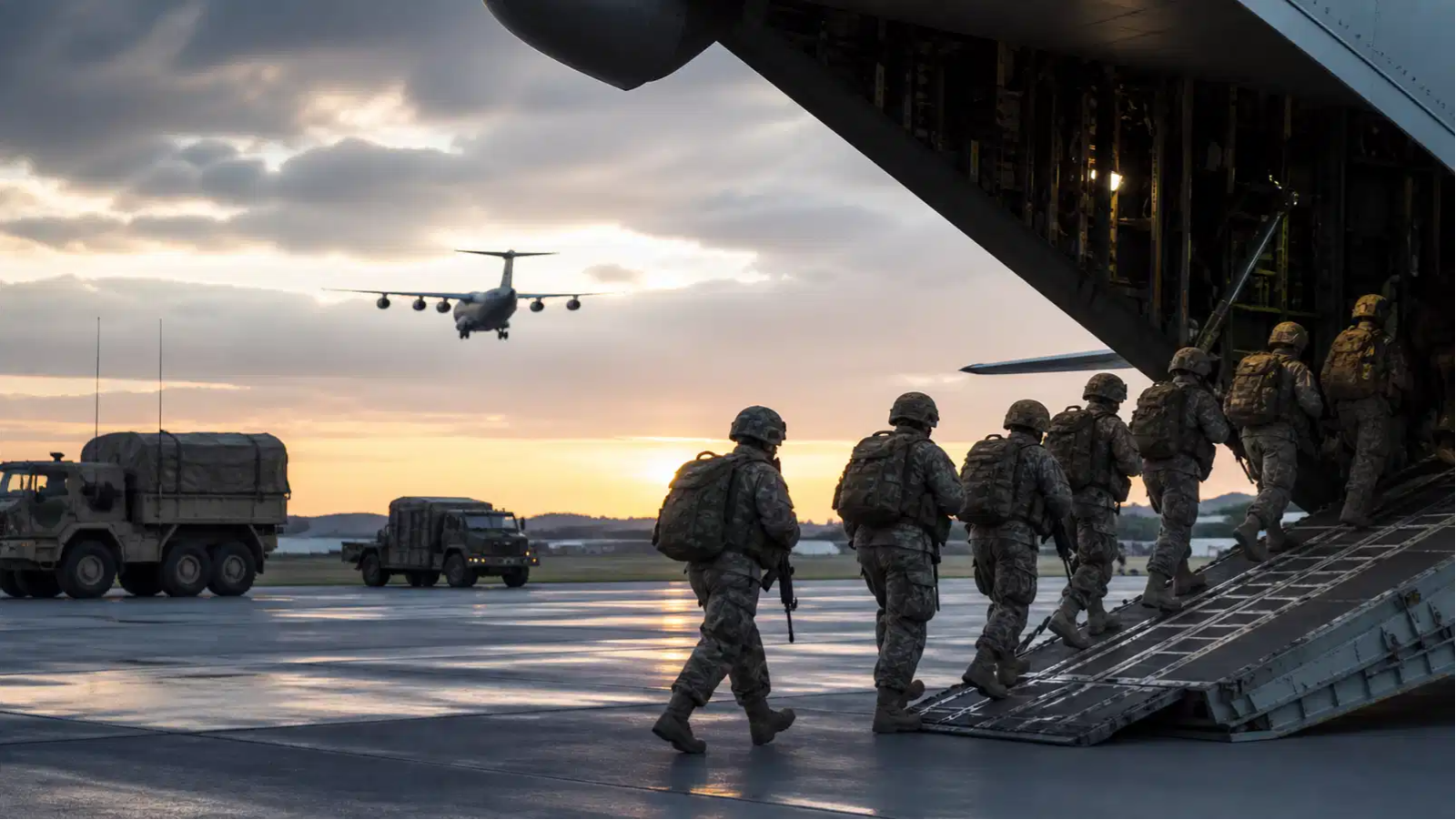
Donald Trump has indicated plans to reduce the American military footprint in Germany, drawing attention to the broader US role across Europe. The Pentagon recently said 5,000 troops would be withdrawn from Germany, with Trump suggesting even deeper cuts, as reported by News 18.
At present, the US reportedly has between 80,000 and 1,00,000 troops stationed across Europe, including over 36,000 in Germany. The move signals a possible shift in long-standing security arrangements between Washington and its European allies.
Also Read | Hantavirus scare at sea: What we know so far about the outbreak as it claims three
A long-standing military presence
The US military presence in Europe dates back to World War II, when American forces played a role in stabilising the region. During the Cold War, these troops served as a deterrent against the Soviet Union.
In recent years, forces stationed in Europe have supported missions beyond the continent, including operations in the Arctic, Africa and the Middle East. The US presence has also expanded since Russia's invasion of Ukraine, reinforcing NATO's eastern flank.
Strategic role of US bases
Germany remains a key hub for US military operations. It hosts major facilities such as Ramstein Air Base and Landstuhl Regional Medical Center, along with headquarters for US European and Africa commands.
The deployment is not limited to Germany. Italy hosts more than 12,000 US troops, while around 10,000 are based in the United Kingdom. Together, these positions allow the US to respond quickly to global developments.
US General Alexus Grynkewich highlighted this reach, noting that European bases make it easier to support missions in Africa and the Middle East due to shorter distances and lower costs.
Nuclear presence and security concerns
The US also maintains nuclear weapons in Europe, with around 100 bombs stored across several countries, including Germany, Belgium, Italy, the Netherlands and Turkey. These weapons form part of NATO's broader deterrence strategy.
The proposed troop reductions have raised concerns among some US lawmakers, who argue that withdrawing forces too quickly could send the wrong signal during the ongoing war in Ukraine. Some have suggested repositioning troops within Eastern Europe instead.
Also Read | Trump’s AI post shows JD Vance, Marco Rubio in surreal reflecting pool scene
Europe's shifting defence priorities
The discussion comes as European nations increase their own defence capabilities. Germany has committed significant funding to modernise its military and expand troop numbers, reflecting a broader push within NATO for greater regional responsibility.
The debate over US troop levels highlights changing priorities on both sides, with Washington reassessing its commitments and Europe stepping up its defence efforts.