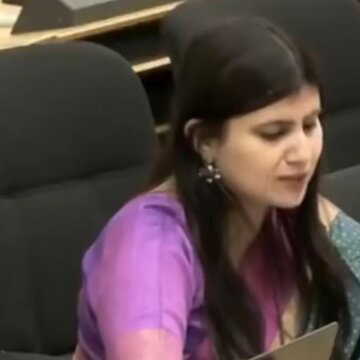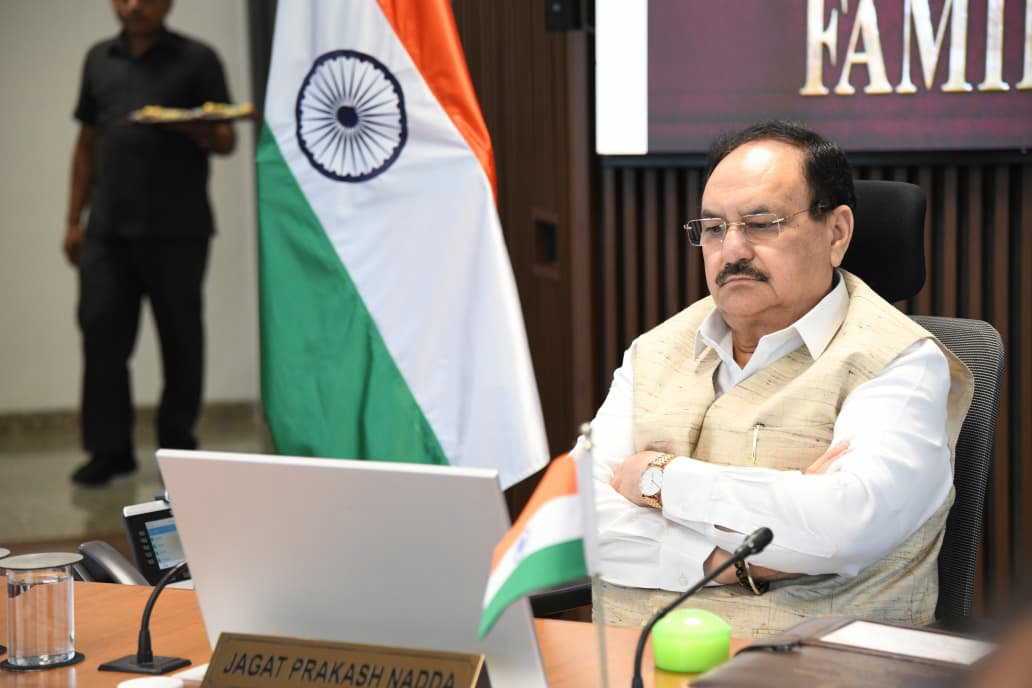
As the monsoon season is drawing near and with the possibility of mosquito-borne diseases likely to occur, Union Health Minister JP Nadda has evaluated the preparedness of India against dengue and malaria with emphasis laid on surveillance, timely detection and prompt treatment and participation of citizens.
The high-level review meeting has come at a time when health officials are gearing up to face the seasonal spurt in cases of dengue and malaria which usually increase in number after the rainy season when there is standing water due to which mosquito breeding occurs easily.
As per Ministry of Health and Family Welfare, the key areas would include disease surveillance and improving the response system of the health sector and raising public awareness about the disease.
Also Read | Why Mumbai is still waiting for monsoon: Five key factors behind the delay
Central government takes steps for early preventive action
During the high-level review meeting, the Health Minister has instructed the states and healthcare institutions to improve their surveillance mechanisms before the disease transmission reaches its peak in the monsoon season.
Government data shows that India's dengue mortality rate has declined significantly over the years due to improved surveillance systems, better diagnostics and timely clinical management. Health authorities noted that dengue mortality has fallen from nearly 3.3 per cent in 1996 to around 0.1 per cent in recent years.
VIDEO | Delhi: Union Health Minister JP Nadda (@JPNadda) reviews preparedness measures for dengue and malaria ahead of the monsoon season.
— Press Trust of India (@PTI_News) June 18, 2026
(Source: Third Party)
(Full video available on PTI Videos - https://t.co/n147TvrpG7) pic.twitter.com/z9kRnkRxPi
The National Centre for Vector Borne Diseases Control (NCVBDC) continues to monitor disease trends across states as monsoon-related risks increase.
Why monsoon increases the risk
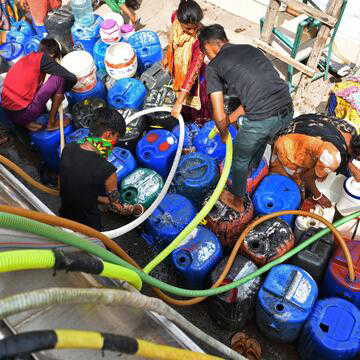
Health experts say mosquitoes thrive in warm and humid conditions, making the rainy season particularly favourable for breeding. Water accumulated in coolers, flower pots, tyres, rooftop tanks, construction sites and discarded containers often becomes breeding grounds for mosquitoes.
Dengue is spread by the Aedes mosquito, which is most active during the daytime, while malaria is transmitted by infected Anopheles mosquitoes that typically bite between dusk and dawn.
Experts warn that urbanisation, waterlogging, changing weather patterns and poor waste management can further increase the risk of transmission.
What families should do
Public health specialists say prevention at the household level remains one of the most effective ways to reduce infections.
Families are advised to:
Empty stagnant water from coolers, buckets, flower pot trays and unused containers every week.
Keep overhead tanks and water storage containers covered.
Wear full-sleeved clothing and long trousers, especially during mosquito season.
Use mosquito nets, window screens and approved repellents.
Seek immediate medical attention if symptoms such as high fever, severe headache, body pain, vomiting or unusual bleeding develop.
Experts also recommend conducting weekly inspections around homes to identify potential mosquito breeding sites.
Community participation key to disease control
It is important to note that the control of the two diseases can only be attained through collaboration in addition to activities within hospital facilities and government programs.
Because mosquito breeding takes place in the whole community, activities like cleanliness exercises, getting rid of stagnant water and campaigns against these diseases become very vital in controlling the spread of the diseases.
Also Read | New heritage passport turns Delhi's monuments into a learning trail
People have been encouraged not to rely entirely on the use of fogging operations because it is still important for the people to eradicate breeding grounds of the insects.
With the expansion of monsoon seasons across the whole country, the people are encouraged to observe precautions to prevent the risk of contracting the diseases.
FAQs
Q1. What are the causes of increased cases of dengue and malaria during monsoon?
Rainy season makes the environment suitable for breeding of mosquitoes.
Q2. What are the early symptoms of dengue and malaria?
Common symptoms include high fever, headache, body aches, chills, vomiting, fatigue and, in some dengue cases, bleeding-related symptoms. Early medical attention is recommended