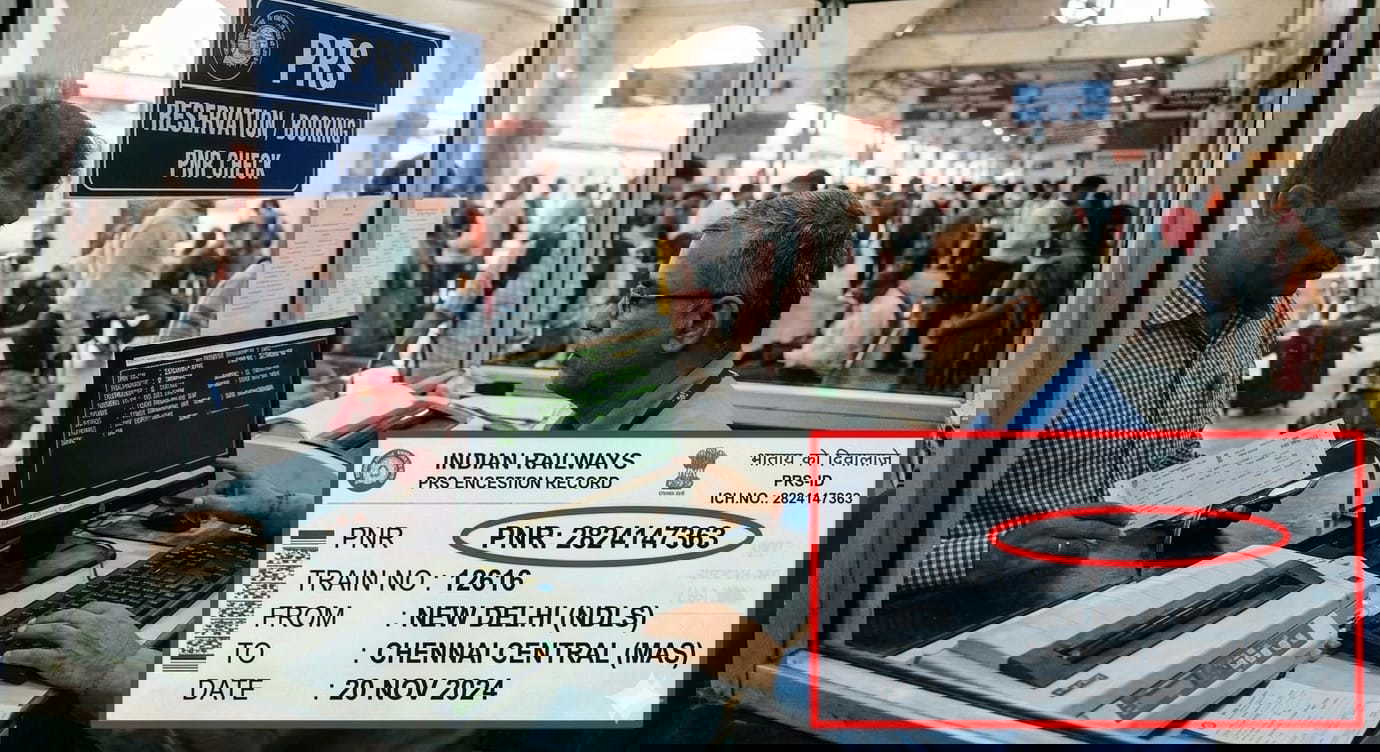
Every reserved train ticket issued by Indian Railways carries a 10-digit PNR number. PNR stands for Passenger Name Record. This number works as a unique identity for each booking in the railway system and stores details like passenger information, journey date, train number, and booking status.
Indian Railways handles one of the largest passenger volumes in the world. Millions of tickets are booked every day. The 10-digit format provides enough unique numbers while keeping it short and easy to manage.
How is the number structured?
A shorter number would not produce enough unique combinations for the volume of bookings Indian Railways handles. A longer number would be harder to use and manage. Ten digits allow billions of unique PNR combinations without repetition.
Also Read | Centre approves ‘Ladakh’ entry in Aadhaar cards, ends post-bifurcation anomaly
The 10-digit PNR is not random and follows a set pattern. The first digit or first few digits show the railway zone or PRS where the ticket was booked. Sometimes, the first three digits point to a specific zone. The last seven digits are generated in sequence and make each PNR unique.
What does the PNR system do for passengers?
The PNR system tracks booking status like confirmed, RAC, or waitlisted, and stores journey details. It also prevents duplicate tickets. Each ticket is unique and easy to track, helping Indian Railways run smoothly without confusion.