The Civil Aviation Ministry has begun a nationwide inspection of around 400 uncontrolled airstrips. The goal is to create a uniform set of operating standards and a monitoring system that will be managed together by the Directorate General of Civil Aviation (DGCA) and the states, according to officials.
The inspection will identify gaps in infrastructure, communication, firefighting readiness and coordination with local authorities. Most of these uncontrolled airports are owned by the states and do not receive regular oversight from the DGCA, which leads to a regulatory gap.
Also Read | Private plane crashes in Karnataka after mid-air engine failure, captain and trainee critically injured
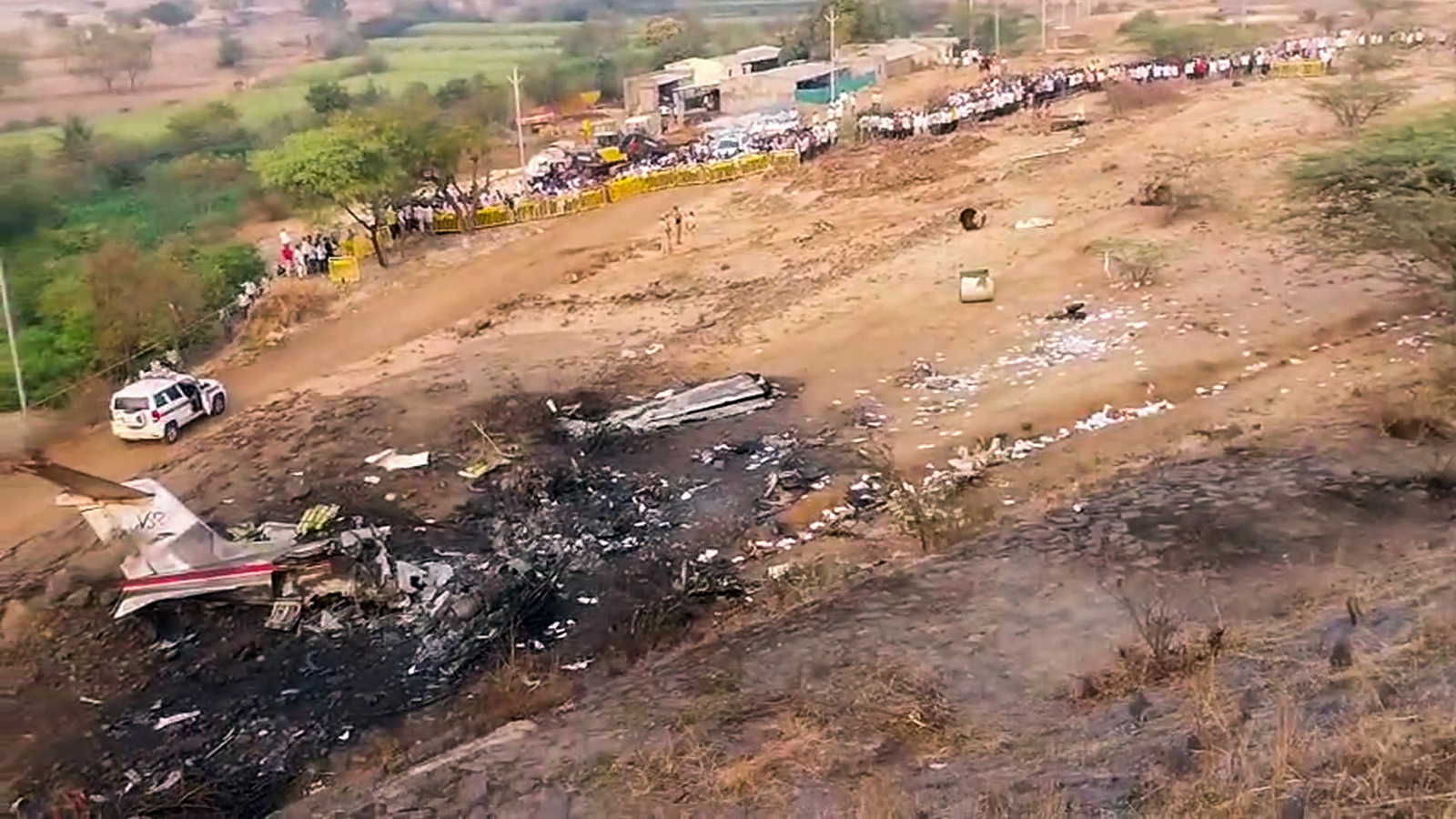
This inspection and the development of guidelines comes after the Baramati plane crash on January 28, which killed Maharashtra's deputy chief minister Ajit Pawar and four others.
DGCA teams have started reviewing the practices and safety protocols at Category A airports. These are facilities without air traffic control (ATC) services, managed by state governments, private operators, or flight training organizations (FTOs).
'At least 400 airstrips currently not regulated by DGCA'
India has at least 400 airstrips that are not currently regulated by the DGCA. Many of these facilities serve charter aircraft, political parties and flying schools. However, they lack standard procedures for rescue services, runway maintenance and movement coordination.
"Current guidelines for these airstrips do not fall under the DGCA's authority. The regulator, working with the states, will create a system to ensure that the status and safety standards of these airports are known to the civil aviation authority," a senior official was quoted as saying by Hindustan Times.
Another official confirmed that a team has been formed for inspections. "We have included officers from the department of flight safety (FSD), the Directorate of Airworthiness, and the Directorate of Operations and field inspections have started," the person added.
Classification of airports
India classifies airports into four categories. Category A airports are uncontrolled with no ATC service. Category B airports are partially controlled with limited ATC or AFIS services, such as Chhatrapati Sambhaji Nagar and Jalgaon.
Also Read | India moves closer to mega Rafale deal after major success in Operation Sindoor
Category C airports have procedural ATC, managing aircraft separation without radar, like Pune. Category D airports are fully controlled radar-based hubs, including Mumbai and Delhi, according to DGCA officials.
Among the prominent uncontrolled but operational airstrips are Baramati, Karad and Chandrapur in Maharashtra; Ujjain and Chhindwara in Madhya Pradesh; Bhagalpur and Begusarai in Bihar; Alwar in Rajasthan; Sultanpur and Saifai in Uttar Pradesh; and Hassan in Karnataka. Politicians and business jet flights frequently use all these airports.