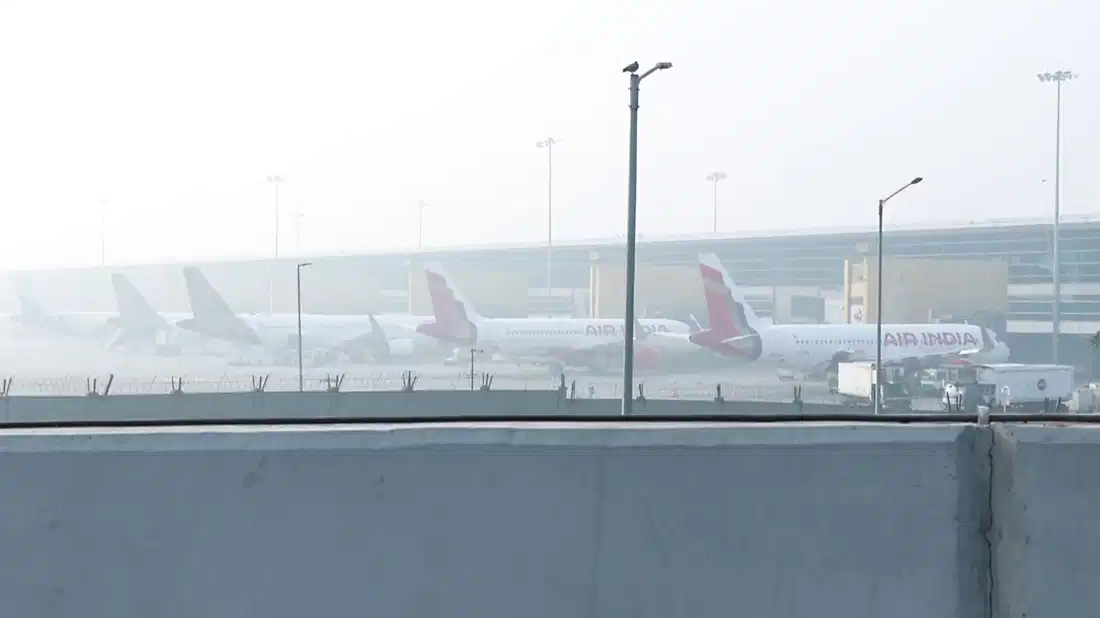
A major upgrade at Indira Gandhi International Airport is set to bring relief to international travellers, as authorities move to expand capacity at Terminal 3.
Rising traffic pushes need for expansion
The expansion comes amid a sharp rise in overseas travel demand, with Indian passengers increasingly flying to destinations across Southeast and Central Asia. This surge has put pressure on existing airport infrastructure, prompting urgent upgrades.
How Terminal 3 is structured
Terminal 3, the airport’s primary hub for international operations, is designed as a square layout with four extending corridors or “piers.” Each pier is fitted with aerobridges on both sides, allowing efficient boarding and deboarding of aircraft parked along either flank. Currently, the terminal operates four piers, with two dedicated to international flights and the remaining two handling domestic traffic. This division has helped streamline operations, but rising demand has stretched its limits.
Heavy passenger load highlights urgency
At present, Terminal 3 handles around 1.05 lakh passengers daily, including approximately 60,000 international and 45,000 domestic travellers. This growing footfall reflects a broader shift in travel trends, with more Indians opting for international holidays and business trips. As a result, airport authorities are under pressure to enhance capacity and improve passenger experience.
Also Read | India cuts customs duty on key petrochemicals to tackle supply disruptions amid US–Iran tensions
What the upgrade means for flyers
The expansion is expected to ease congestion, reduce waiting times and improve overall efficiency for international passengers. Better utilisation of space and infrastructure will also help manage peak-hour traffic more smoothly. For travellers, this translates into faster processing, less crowding and a more seamless airport experience.