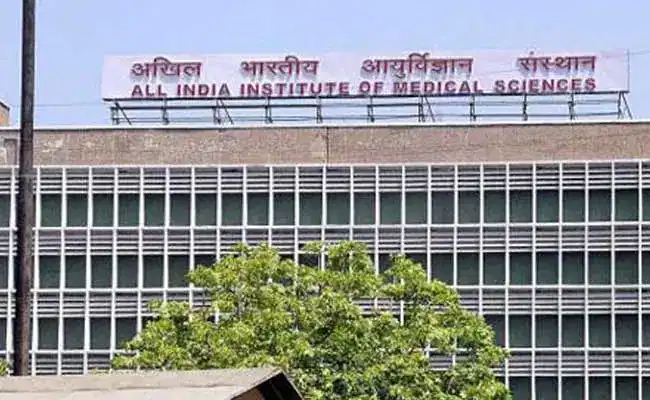
A Parliamentary Standing Committee on Health has raised concerns over the absence of a service bond for graduates of All India Institute of Medical Sciences, questioning how doctors trained at a premier publicly funded institute contribute to India’s healthcare system.
No mandatory service, no tracking data
The panel noted that AIIMS New Delhi does not require its graduates, including those from degree, postgraduate, and super-specialty programmes, to undertake any compulsory service within the country. It also highlighted that the institute does not maintain data on the current professional engagement of its alumni.
In response to the committee’s queries, the concerned department confirmed that no such bond exists and no tracking mechanism is in place to monitor where graduates are working after completing their studies.
Call for structured database
Taking note of this gap, the committee recommended the creation of a structured database to track alumni and assess their contribution to the domestic healthcare system. It said such a system would provide valuable insights into the distribution of skilled medical professionals across regions.
The recommendation was part of the 172nd report presented by the Department-related Parliamentary Committee on Health and Family Welfare.
Why tracking matters
The panel emphasised that AIIMS produces a large pool of highly trained specialists every year. Without proper tracking, it becomes difficult to evaluate whether these professionals are serving within India or contributing to healthcare systems abroad.
A database could help identify shortages of specialists in certain regions and guide future policy decisions on medical education, workforce planning, and retention strategies.
Also Read | Consumer court clears Max Hospital, flags insurer over claim handling lapse
Debate over service bonds
The issue of mandatory service bonds for medical graduates has been widely debated. While some states enforce compulsory rural service, there have been calls to rethink the approach. Earlier, a task force set up by the National Medical Commission suggested scrapping compulsory service bonds and replacing them with incentive-based systems. These could include financial benefits, additional marks, or reservation advantages in postgraduate admissions for those opting to serve in rural areas.
Also Read | Delhi plans 150km road overhaul to tackle chronic traffic bottlenecks
Policy implications ahead
The panel’s observations highlight a broader policy gap in linking publicly funded medical education with national healthcare needs. Whether through tracking systems or incentive-driven models, the focus is now shifting towards ensuring that trained doctors contribute effectively to strengthening India’s healthcare infrastructure.