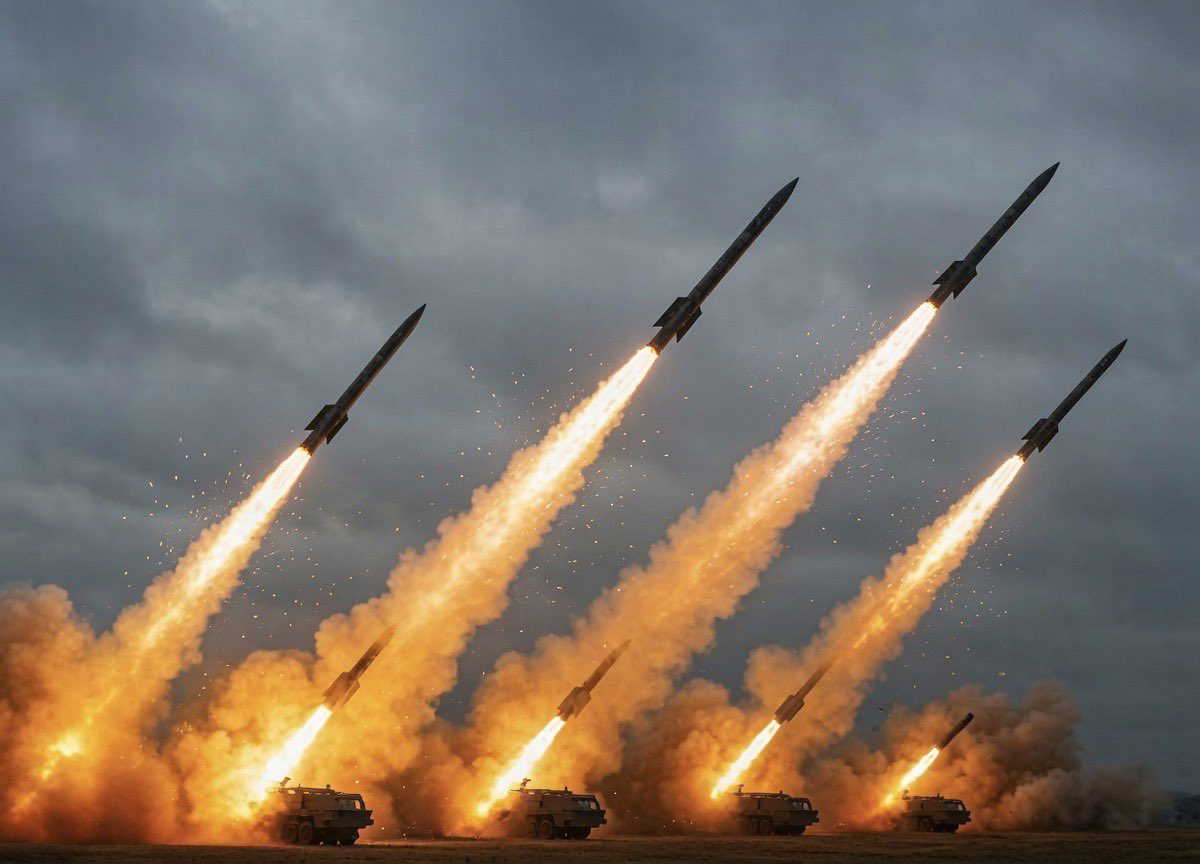
The United States launched another round of strikes on Iran on Wednesday after President Donald Trump said Tehran had taken too long to negotiate a deal and would “pay the price.”
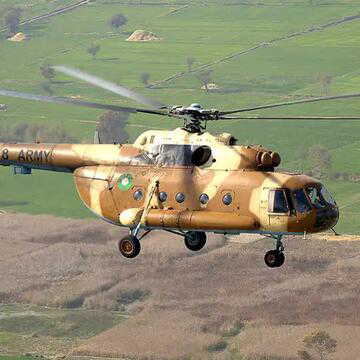
Trump also said the US would attack Iran “very hard” if no peace deal was reached, linking the threat to the downing of a US Apache helicopter near the Strait of Hormuz.
Trump further claimed that a secret US mission had helped escort more than 100 million barrels of oil through the waterway, a route he said Iran had tried to disrupt. Trump framed the oil mission as evidence that the US had kept commercial traffic moving through the strategic choke point.
Also Read | US-supplied HIMARS in action: Taiwan strengthens deterrence on China-facing coast
U.S. Central Command forces began launching additional self-defense strikes today at 5:15 p.m. ET against multiple targets in Iran at the Commander in Chief’s direction. The strikes are in response to Iran’s unwarranted and continued aggression.
— U.S. Central Command (@CENTCOM) June 10, 2026
A sterner message from Washington
Defense Secretary Pete Hegseth said the military would hit “key facilities” in Iran overnight and told reporters, “If we need to negotiate with bombs, we’ll negotiate with bombs. And we’re very good at it”
US Central Command described the operation as “self-defense strikes” carried out in response to Iran’s “unwarranted and continued aggression,” with targets including ammunition depots, command-and-control nodes and warehouses.
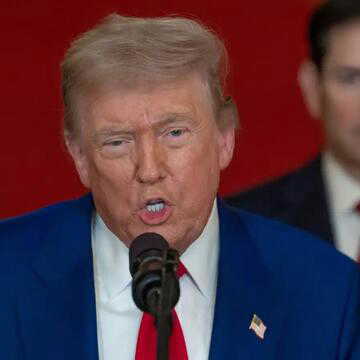
The strikes came hours after Trump told reporters, “We’re going to hit them hard again today,” adding that the US was still hoping for a deal even as the ceasefire appeared to fray. Trump said, “We’re going to be attacking them, attacking them very hard,” underscoring the sharp public pressure on Tehran.
🚨 BREAKING: US Central Command confirms fresh self-defense strikes on multiple targets in Iran following continued aggression, including the downing of a US Army helicopter.
— Paul A. Szypula 🇺🇸 (@Bubblebathgirl) June 10, 2026
President Trump emphasized hitting hard while urging Iran toward a strong peace deal that ends their… pic.twitter.com/a4rnHKc8AP
The spark beside the Strait
The immediate trigger for the latest exchange was Trump’s claim that Iran shot down a US Apache helicopter over the Strait of Hormuz.
Trump said both crew members were rescued safely and that the United States “must, of necessity, respond to this attack.” Iranian Foreign Minister Abbas Araghchi warned foreign military forces near Iranian territory were “at constant risk” and later said Iran would respond to the new US strikes.
The US military described the strikes as proportional. Explosions were reported on Qeshm Island as well as in Sirik, Jask and Bandar Abbas.
Also Read | Belfast on edge: Violence flares after stabbing, PM Starmer issues warning
A nuclear question refuses to fade
The military confrontation is unfolding alongside a separate diplomatic push over Iran’s nuclear programme.
The International Atomic Energy Agency’s 35-nation Board of Governors passed a US-backed resolution demanding that Iran declare its remaining enriched uranium stocks and allow inspectors to verify them.
The vote passed 21-3 with 10 abstentions, Reuters said, and came as the US and Iran were already trying to extend a ceasefire and open wider talks. Iran’s ambassador to the IAEA, Reza Najafi, said Tehran would decide how to respond and accused the resolution of focusing on the consequences rather than the root causes of the crisis.
FAQs
Q1: Why did the US launch new strikes on Iran?
Ans: The US said the strikes were a response to Iran's alleged downing of a US Apache helicopter near the Strait of Hormuz and continued Iranian aggression.
Q2: What is the latest dispute between Iran and the IAEA?
Ans: The IAEA has demanded that Iran declare its remaining enriched uranium stocks and allow inspectors to verify them, increasing pressure on Tehran.