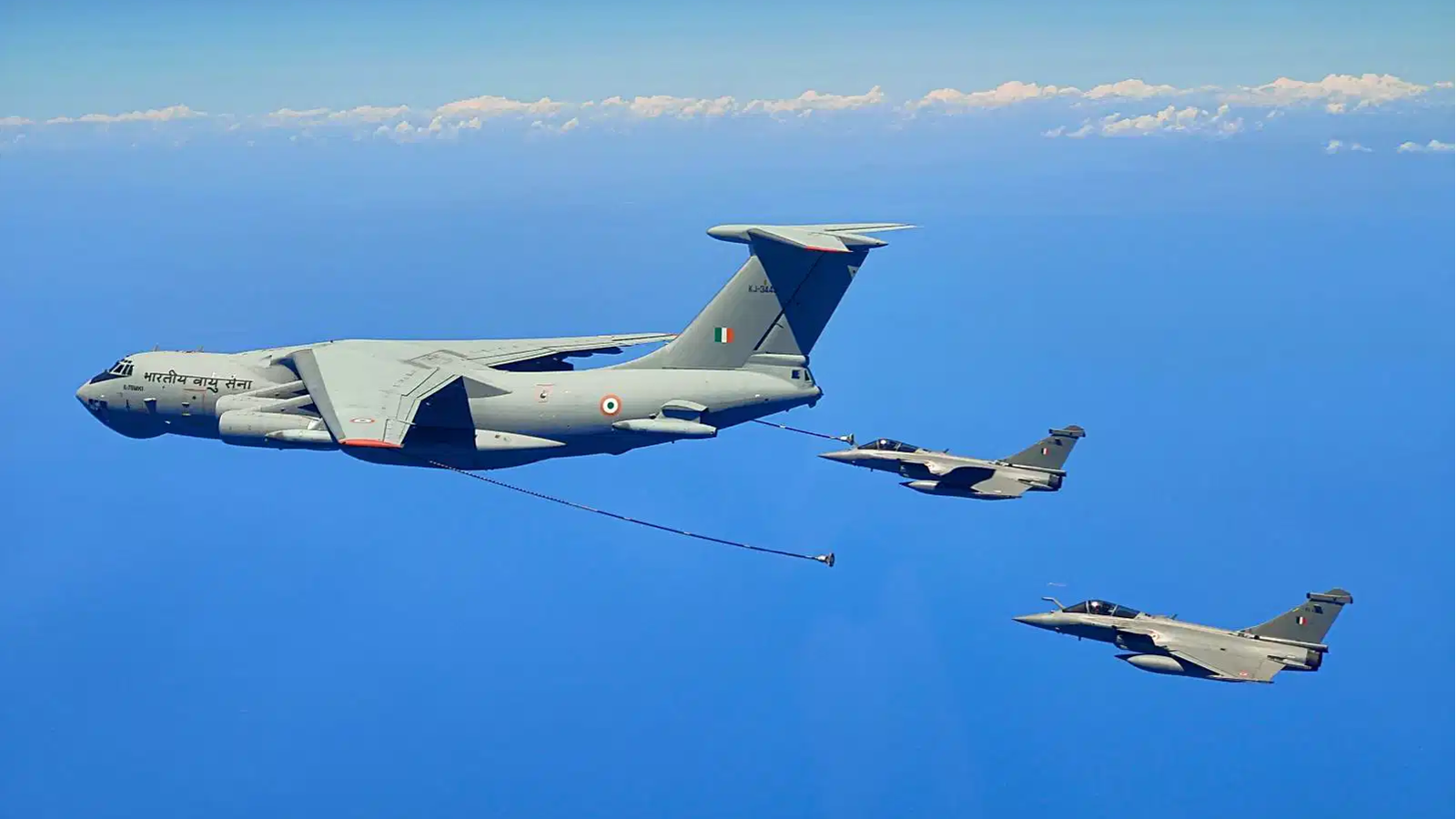
India plans to ensure that its indigenously developed missiles and weapons systems can be integrated into the 114 Dassault Rafale aircraft it intends to procure, according to people familiar with the matter, Hindustan Times reported. The move will be anchored through an interface control document (ICD), which the government wants embedded into the final agreement.
Officials said the ICD will define how various systems and sub-systems interact, making it critical for integrating Indian-made weapons. The proposal is to "hardwire" ICD into the Rs 3.25 lakh crore government-to-government deal, ensuring long-term operational flexibility, stated HT.
Also Read | What are IT rules and what do they mean for social media?
Deal structure and next steps
The Ministry of Defence is expected to issue a Request for Proposal (RFP) to Dassault Aviation next month, with contract negotiations to follow. The Defence Acquisition Council had cleared the deal on February 12.
As per the plan, 18 jets will be delivered in flyaway condition from France, while 96 will be manufactured in India. The locally produced aircraft are expected to include over 25 per cent indigenous content, aligning with India's broader push for self-reliance in defence production.
No 'source code' transfer
Amid reports of a hurdle over Dassault's refusal to share fighter jet "source code", senior officials clarified that such expectations are unrealistic. They noted that no country shares proprietary software codes that control critical systems like radar, electronic warfare suites and weapon integration.
These codes govern core functions such as avionics, target tracking, flight control and weapon release algorithms, and remain the intellectual property of the manufacturer.
Officials pointed out that even close defence partners do not share such sensitive technology.
Global precedent and India's strategy
India's experience with other defence partners reflects a similar pattern. Russia, despite being a long-standing strategic partner, has not shared source codes for platforms like the Sukhoi Su-57 or the Sukhoi Su-30MKI. The same holds true for American platforms used in India’s transport and helicopter fleets.
Also Read | India to take next steps to finalise landmark US trade agreement
While no decision has been taken on acquiring fifth-generation fighters from the US or Russia, India continues to prioritise indigenous development. Programmes such as the HAL Tejas Mk1A and the proposed Advanced Medium Combat Aircraft (AMCA), along with long-range missile systems, remain central to reducing dependence on foreign platforms.