Proposed amendments to the Information Technology (IT) rules of India have drawn criticism from industry players and digital rights groups, even as the government indicated it may extend the deadline for public feedback. The draft, released by the Ministry of Electronics and Information Technology (MeitY) on March 30, seeks to widen oversight of user-generated news content on social media and make government advisories binding on platforms.
The original deadline for responses was April 14, with a 15-day consultation window. However, officials said the Ministry has received around 70-100 submissions so far and is considering extending the timeline by two weeks, Hindustan Times reported.
Also Read | ‘Zombie drug’ scare grows in India after Bengaluru and Chandigarh videos go viral
The first round of consultations on Tuesday saw participation from major technology companies and industry bodies, including Meta, Google, YouTube, Snap, ShareChat, IAMAI and NASSCOM. Companies raised concerns over provisions such as Rule 3(4), which would make government advisories mandatory for intermediaries. Non-compliance, they cautioned, could risk losing safe harbour protections under Section 79 of the IT Act.
Takedowns and free speech concerns
The discussions come against the backdrop of rising content takedowns in recent months. Actions against satirical accounts, including handles like @Nehr_who and @DrNimoYadav, have drawn attention. In one instance, the Delhi High Court ordered the restoration of a handle while allowing specific posts to remain withheld pending review.
Digital rights groups have flagged broader concerns about potential censorship. The Internet Freedom Foundation reiterated its demand for withdrawal of the draft rules, warning of a possible “censorial impact” and gaps in consultation practices.
Government clarifies intent
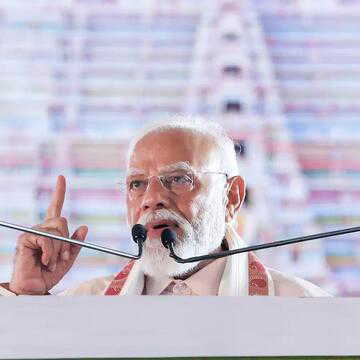
IT secretary S Krishnan sought to address concerns, and was quoted as saying by HT, "These amendments do not in any way give us wider powers… they are only clarificatory and incidental in nature." He acknowledged a rise in takedown actions, attributing it partly to a "sudden explosion" of deepfakes, misleading financial content and impersonation.
He also questioned the assumption that social media platforms function as neutral spaces. "I don't see why we are using social media as the vehicle of freedom of speech… they are doing a lot of things for commercial reasons," he said.
On Rule 3(4), Krishnan said the aim was to remove ambiguity around whether government advisories are binding. He added that the Ministry is exploring the creation of a public repository of such advisories.
Debate over regulatory scope
Another key issue raised during consultations was the inclusion of intermediaries under Part III of the rules, which governs digital media and falls under the Ministry of Information and Broadcasting. The government said this step is intended to bring all news and current affairs content, including user-generated material, under a single framework.
Also Read | Delhi logs over Rs 6,300 crore in liquor revenue, up more than 10 percent
Officials also acknowledged the need to clearly define roles across intermediaries, publishers and users, and said feedback on expanding the inter-departmental committee’s powers would be examined.
"The Ministry is open-minded," Krishnan said, adding that all stakeholder inputs will be reviewed before finalising the rules.