India is seeing a considerable drop in temperatures because various places have already slid into a cold wave situation with dense fog. According to India’s Meteorological Department (IMD), some regions of central Maharashtra, Marathwada, Odisha, Chhattisgarh, and M.P. are likely to experience a cold-wave situation at least until December 13. Telangana and North Interior Karnataka will be seeing a similar situation till December 14.
Odisha goes yellow alert due to intense cold affecting daily life
Normal life has been disrupted in Odisha, with intensified chill experiences in recent days. Yellow alerts have been issued on Friday and Saturday for Anugul, Sundargarh, Kendrapara, Kalahandi, and Koraput districts, as per the weather forecast issued by IMD.
Also Read | Delhi chokes under dense smog as AQI slips back to ‘very poor’; Jahangirpuri hits 405
On Thursday, there were places with a minimum temperature below 10°C in at least 15 locations and 11 districts, ANI reported.
Sub-zero Kashmir records -2.9°C in Srinagar
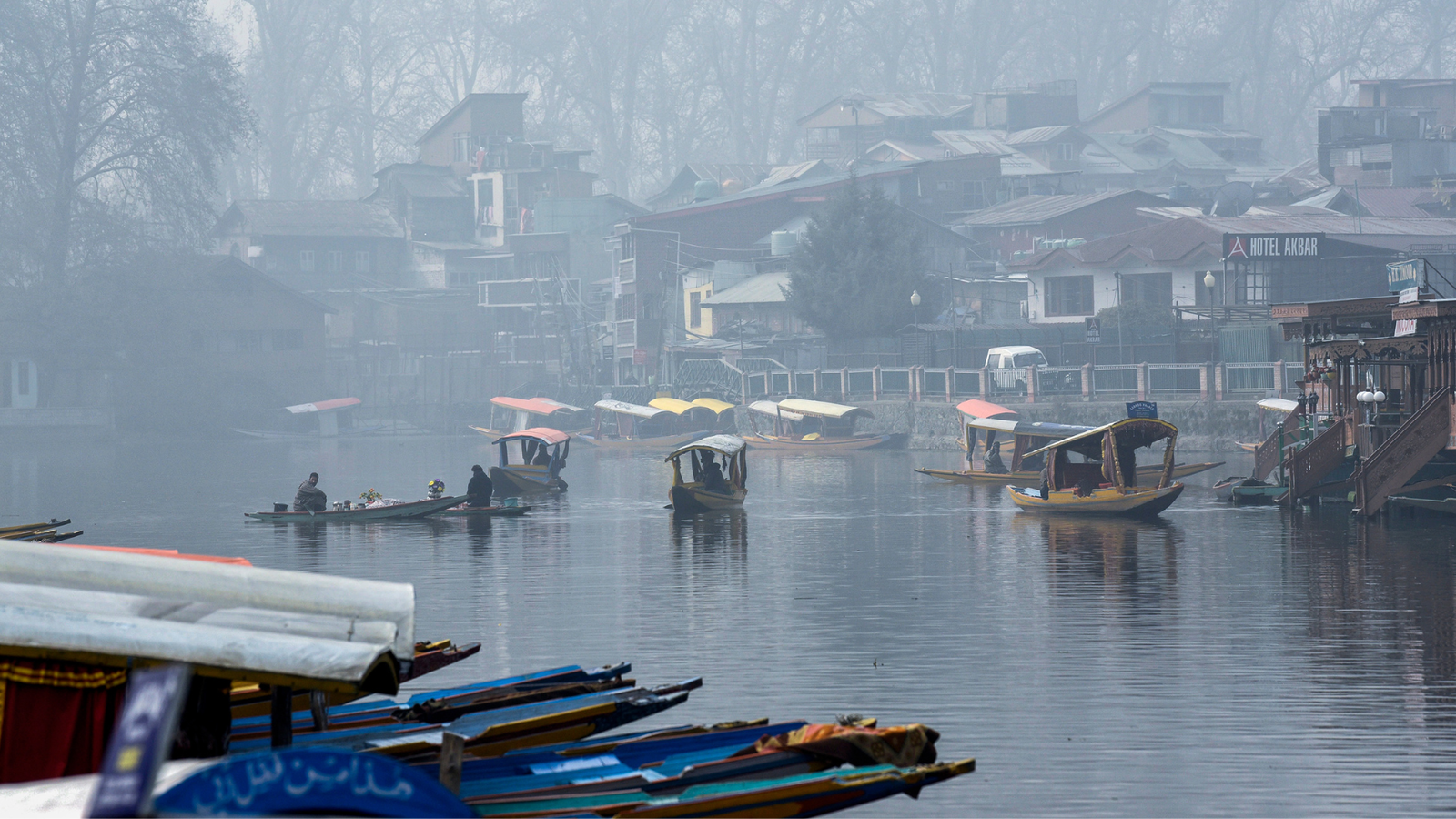
As per the report by ANI, the temperature in Kashmir has been low, with the mercury dropping below zero. Srinagar experienced a low temperature of -2.9°C on Thursday. The people there are finding it very difficult to deal with daily activities because temperatures have dropped from zero on Wednesday.
Rohtang Pass shuts down as Himachal experiences icy conditions
Cold wave conditions have caused the closure of the Rohtang Pass, which is located near Manali. Vehicular traffic beyond Darcha has been stopped due to adverse weather and road conditions. Weather conditions affect traffic movement beyond Darcha.
Cold and polluted skies cast a chill on Delhi
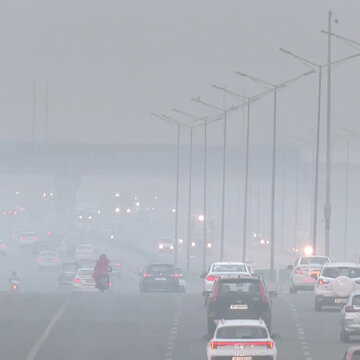
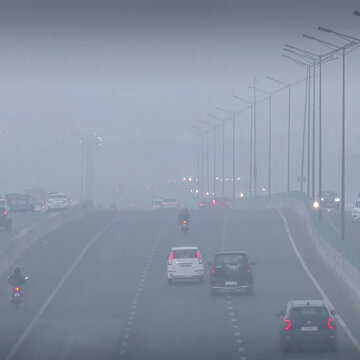
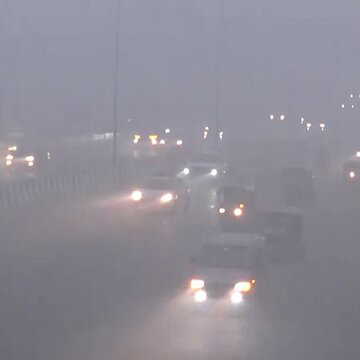
The national capital began the day with dense smog on Friday morning, with an average AQI staying within the “very poor” category at 7 am. Although there have been no warning signals for a cold wave alert issued for the city, there have been drops of up to 1°C in minimum temperatures, with 8-9°C as the average.
Also Read | Nagaland village launches festival to revive climate resilient taro crop
IMD has also forecast that there could be more instances of above-normal cold wave days in December-February. Fog, particularly morning fog, could be a problem and can affect transport. Causes and consequences of the intensification of the Cold Wave
What is behind India’s sudden drop in temperatures?
IMD explains that the current cold wave in central, northwest, and Northeast India is due to the influence of the polar vortex, a large low-pressure system that intensifies during winter, in association with La Niña conditions. The criteria for a cold wave include a minimum temperature below 10°C and at least 4.5°C below normal at two stations for two successive days.