






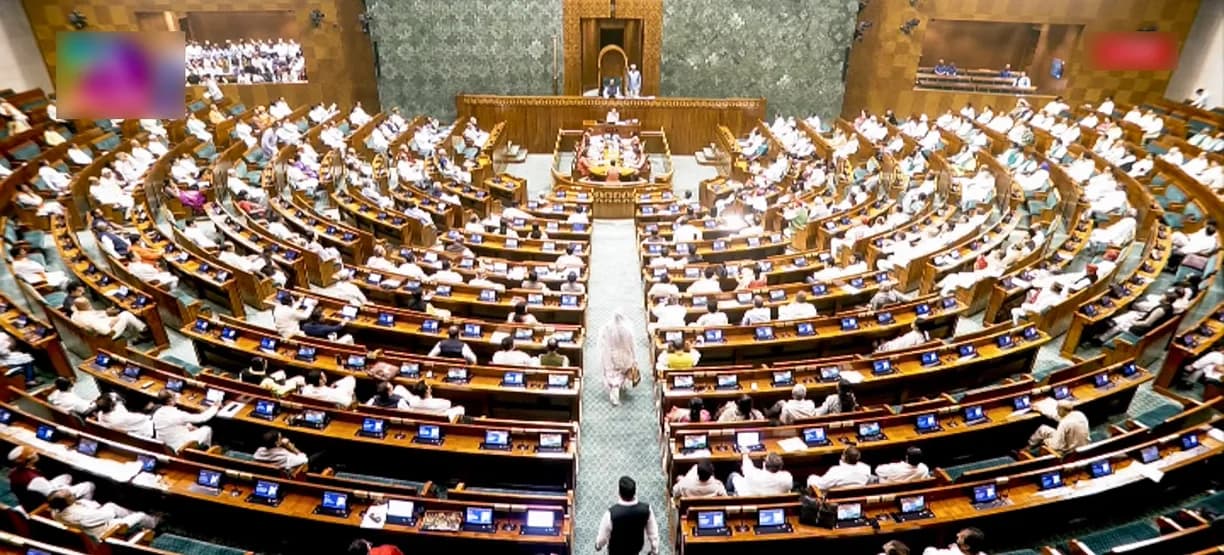











After a week of constant disruptions, the government and the opposition finally reached an understanding on Monday to end the standoff in the Lok Sabha.
This clears the way for a discussion on the Public Examinations (Prevention of Unfair Means) Amendment Bill, 2026, starting Tuesday.
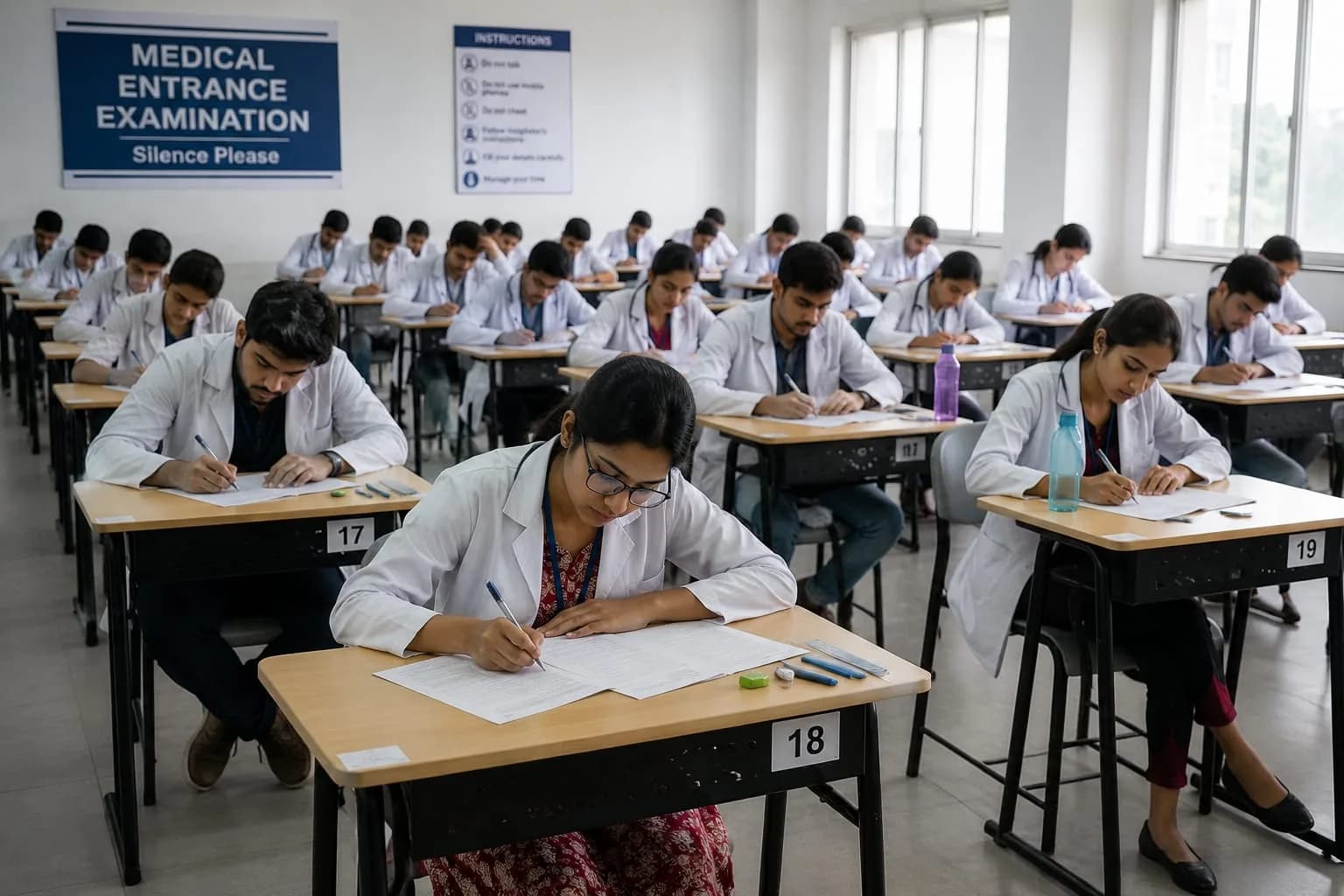
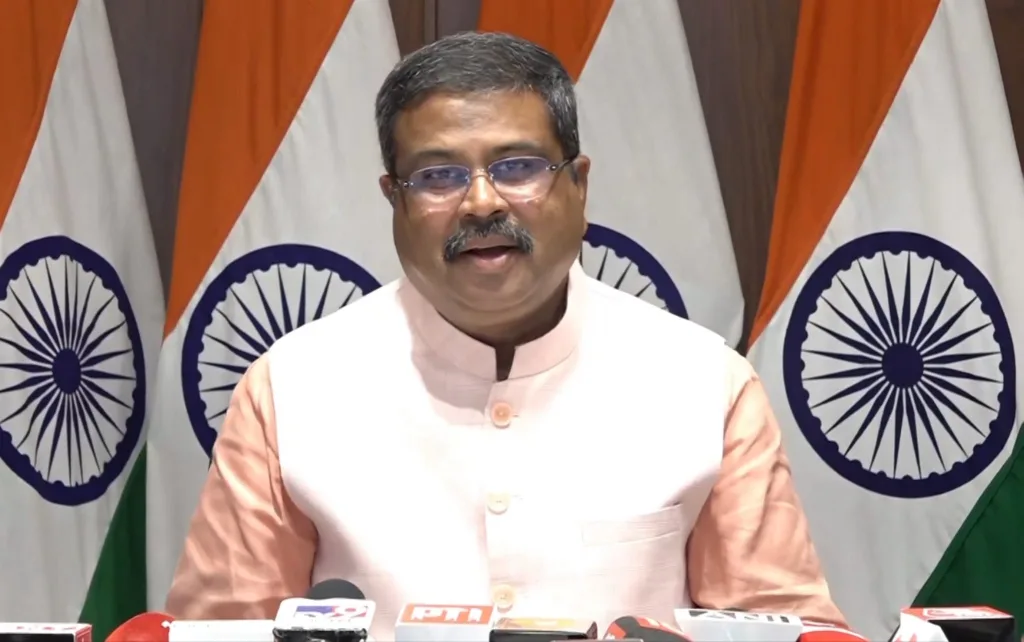
This development comes two days after Dharmendra Pradhan stepped down as Education Minister on Saturday. His resignation followed more than a month of protests led by the Cockroach Janta Party (CJP) over the NEET(UG) question paper leak.
How the breakthrough happened
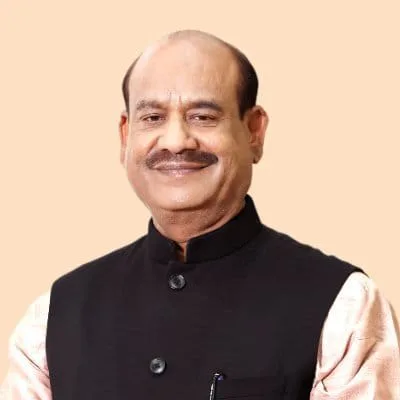
The turning point on Monday came after a full day of quiet negotiations led by Speaker Om Birla and the government’s floor managers, even as both Houses kept getting adjourned because of opposition protests over alleged police excesses during student demonstrations.
Also Read | Can E20 Janta Party become India’s next big movement?
Sources said Birla repeatedly appealed to the House for a discussion on the bill and personally reached out to floor leaders from across party lines during a three hour adjournment between 2 pm and 5 pm. At the same time, government floor managers were engaging opposition leaders directly.
By evening, both sides had agreed that the bill would be taken up on Tuesday, with members expected to move amendments before the government responds.
A senior Congress leader confirmed to The Indian Express that talks had taken place to break the deadlock and that the party had agreed to debate the bill on Tuesday.
Another day washed out in Parliament
The breakthrough came after yet another day of washout in Parliament.
The day started with opposition MPs protesting at Parliament’s Makar Dwar over two issues, the alleged police action against protesters and the Ram temple donation row.
Also Read | Delhi Police yet to drop CJP protest cases despite truce deal
Congress leaders Rahul Gandhi and Priyanka Gandhi Vadra, along with MPs from other INDIA bloc parties, joined the demonstration before both Houses assembled.
In the Lok Sabha, opposition MPs rushed into the Well as soon as Question Hour began, demanding a statement from Union Home Minister Amit Shah.
Amid the disruptions, Minister of State for the Prime Minister’s Office Jitendra Singh introduced the Public Examinations (Prevention of Unfair Means) Amendment Bill, 2026 at noon.
What the new bill proposes
The Public Examinations (Prevention of Unfair Means) Amendment Bill, 2026 amends the Public Examinations (Prevention of Unfair Means) Act, 2024. It proposes a jail term of up to ten years, up from the earlier three to five years, and a penalty of up to Rs 50 lakh instead of the earlier Rs 10 lakh. If the crime is found to be organised, the bill proposes a minimum sentence of seven years and a penalty of up to Rs 10 crore.
Also Read | Delhi HC orders takedown of Kala Hiran teaser over Salman Khan’s portrayal
The bill also sets a two month deadline to complete investigations into paper leak cases. States and union territories will be allowed to set up fast track courts that can finish trials within three months of the chargesheet being filed. The Centre will be empowered to set up a special task force to investigate certain paper leak cases.
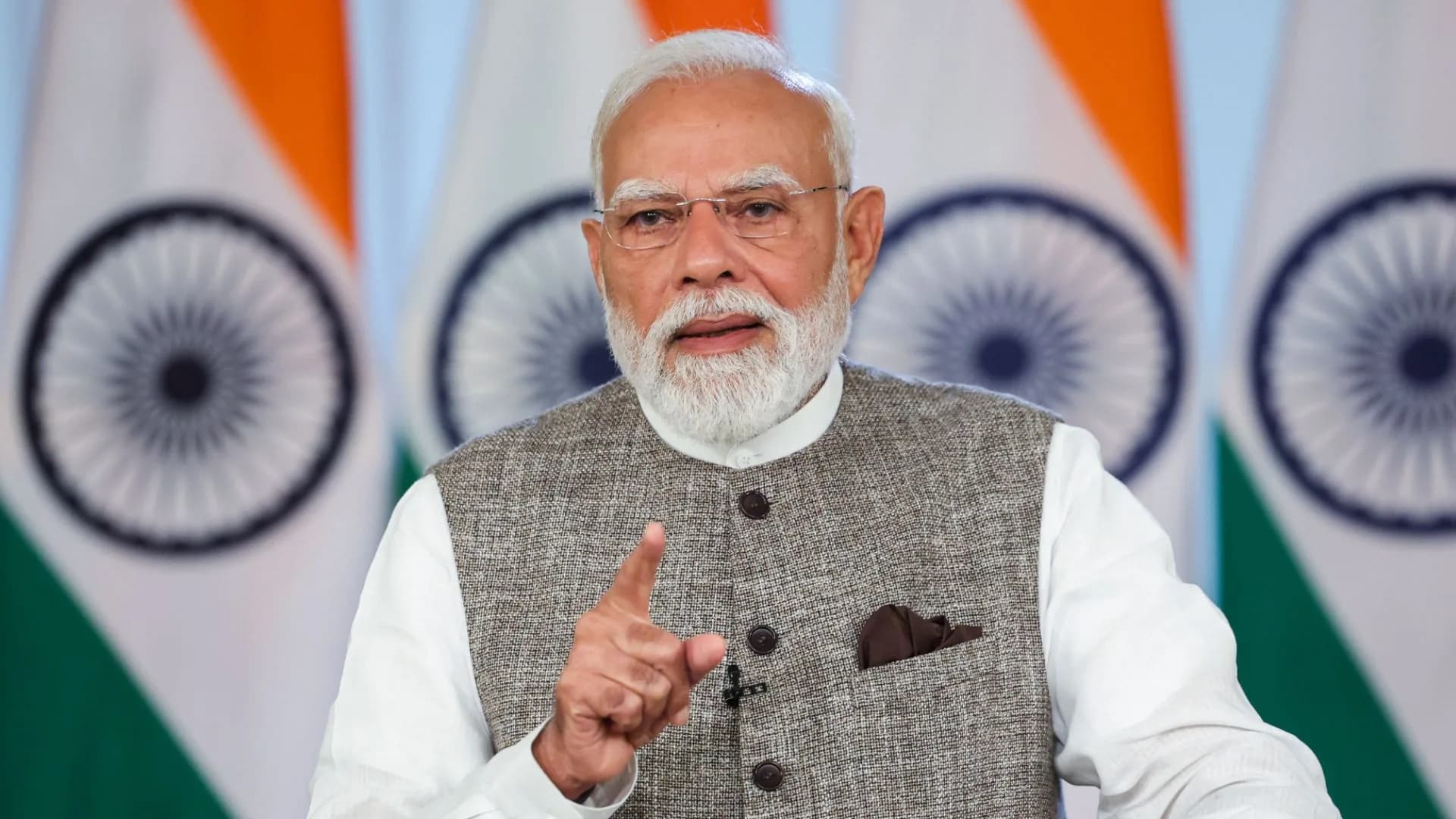
On Sunday, Prime Minister Narendra Modi also announced a high powered task force on exam reforms, to be led by Infosys co founder Nandan Nilekani.
Background to the standoff
The first week of the Monsoon Session, which began on July 20, was almost entirely washed out amid protests, both inside and outside Parliament, demanding Pradhan’s resignation.
The opposition has now turned its focus to Union Home Minister Amit Shah over the alleged excesses by security personnel, including the use of pellet guns, during the protest march to Parliament on July 20.
FAQs
1: What is the Monsoon Session deadlock about?
The first week saw repeated disruptions over the NEET UG paper leak issue and demands for Education Minister Dharmendra Pradhan’s resignation. He resigned on Saturday, but protests continued, with the opposition then shifting focus to alleged police excesses during a student protest march on July 20.
2: What broke the deadlock?
Speaker Om Birla held behind the scenes talks with floor leaders across parties during a three hour adjournment on Monday.
