India’s ambitious Mumbai-Ahmedabad Bullet Train project is adding another global innovation to its growing list of engineering milestones. For the first time in the country, tunnel hood technology is being introduced to improve passenger comfort and minimise environmental impact along the high-speed rail corridor.
The technology, already common in countries with established bullet train networks, will be installed at mountain tunnel entry and exit points across the route. As India prepares to launch its first bullet train services over the next few years, the adoption of this system signals a shift towards world-class railway infrastructure.
Why tunnel hood technology is important
According to News 18, one of the biggest challenges associated with high-speed trains is the phenomenon known as “tunnel boom”. When a train travelling at speeds exceeding 300 kmph enters a tunnel, it pushes a massive volume of air forward, creating intense pressure waves.
As the train exits the tunnel, these pressure waves can burst out suddenly, producing loud booming noises that can disturb nearby communities and create discomfort for passengers.
Tunnel hoods are designed to address this issue by creating a gradual transition between open air and the enclosed tunnel environment. Instead of a sudden pressure change, the train experiences a smoother airflow adjustment before entering the tunnel.
This significantly reduces pressure fluctuations and minimises noise pollution.
Also Read | Gurgaon couple alleges IVF baby mix-up after DNA test; Delhi fertility clinic faces FIR
How the system works
According to News 18, tunnel hoods are essentially extended structures built at tunnel entrances and exits. They are fitted with specially designed pressure-relief vents that allow compressed air to escape in a controlled manner.
As the train approaches a tunnel, some of the trapped air is gradually released through these vents, preventing the formation of intense shockwaves.
This design not only lowers noise levels but also improves the overall travel experience by reducing abrupt changes in cabin pressure.
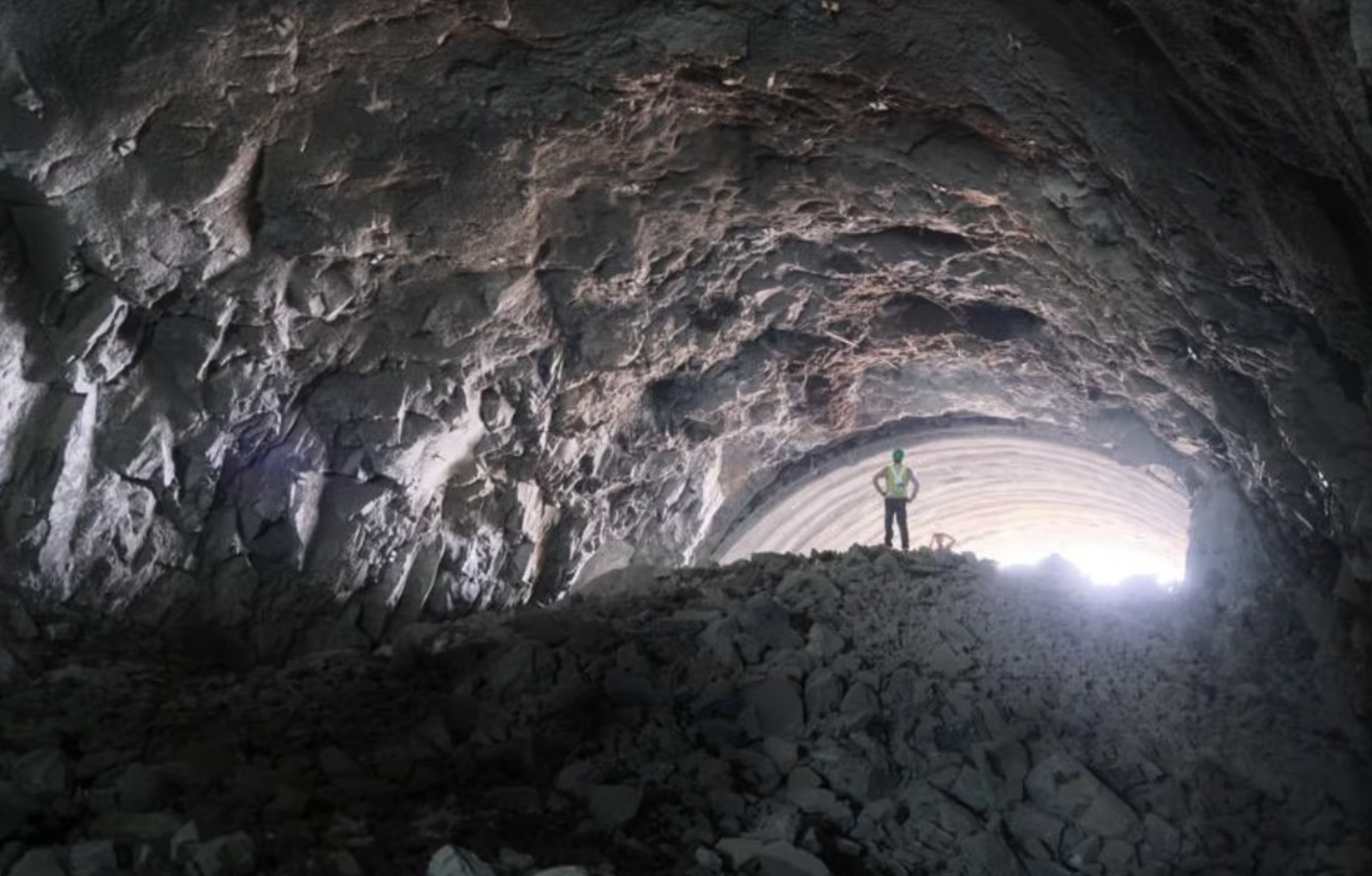
The Mumbai-Ahmedabad corridor includes eight mountain tunnels, seven located in Maharashtra and one in Gujarat. Tunnel hoods will be installed at both ends of all these tunnels.
Also Read | Indian Army clears Mepro X6 sights for Negev guns as BEL leads local production
A step towards global high-speed rail standards
The Mumbai-Ahmedabad Bullet Train project has frequently been described as India’s most advanced railway undertaking.
Railway Minister Ashwini Vaishnaw has previously indicated that the first operational section between Surat and Bilimora is expected to begin services by Independence Day 2027, with subsequent phases gradually expanding towards Ahmedabad and Mumbai.
The introduction of tunnel hood technology reflects India’s intention to align its high-speed rail network with international benchmarks followed in countries such as Japan.
Beyond engineering sophistication, the technology is expected to deliver practical benefits by ensuring quieter journeys, protecting communities near tunnel zones and making India's first bullet train experience more comfortable for future passengers.