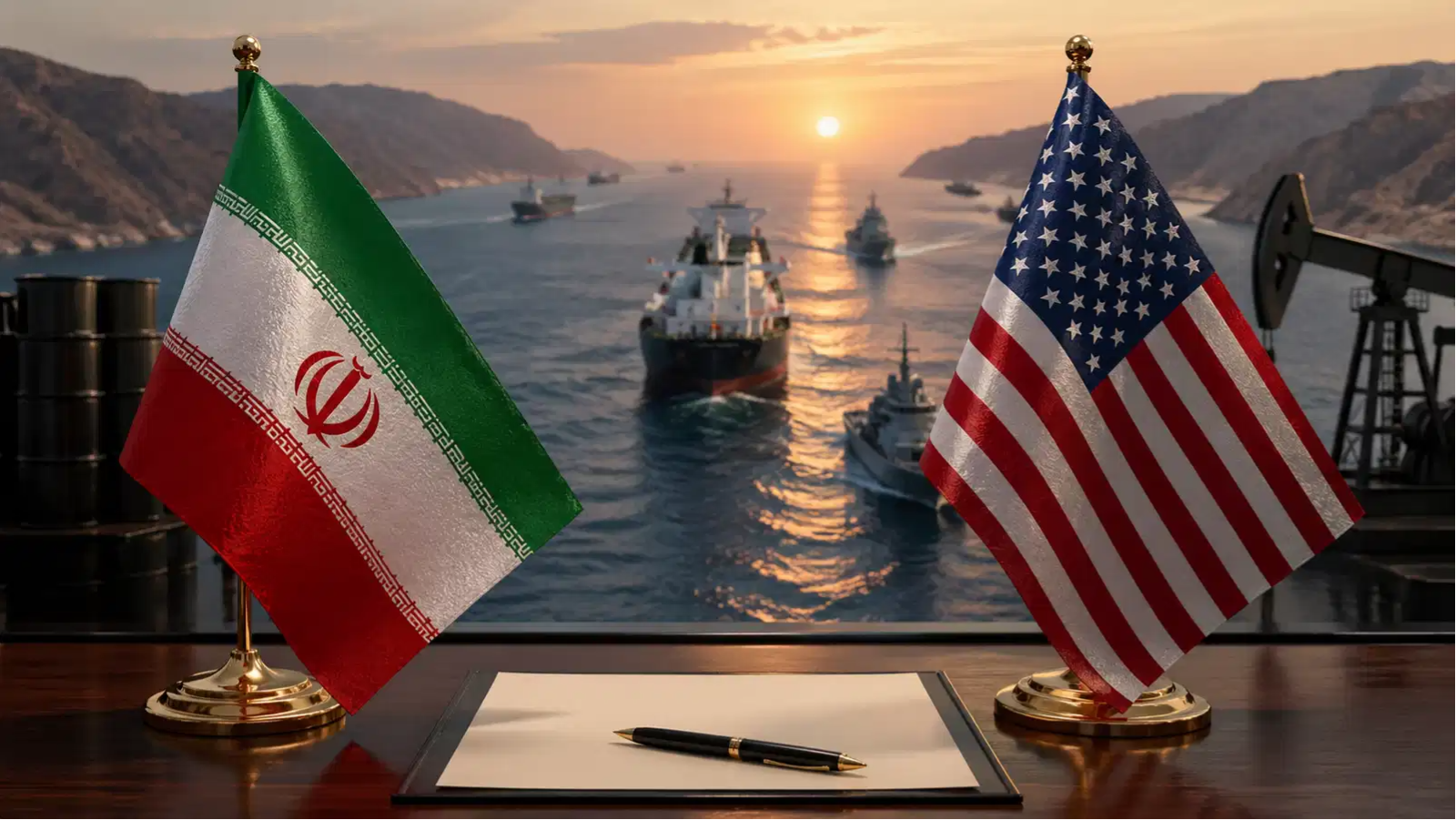
A potential peace deal between the United States and Iran may seem like a geopolitical development unfolding thousands of kilometres away, but its impact could soon reach Indian households in surprising ways.
India imports more than 85 per cent of its crude oil requirements, making it highly vulnerable to instability in the Gulf region. With both nations reportedly agreeing on a framework that includes reopening the Strait of Hormuz and restarting broader negotiations, economic experts believe Indian consumers could see relief in several everyday expenses.
The Strait of Hormuz remains one of the world's most important shipping routes, carrying nearly one-fifth of global oil supplies. Any reduction in tensions there directly benefits oil-importing nations like India.
Petrol and diesel prices may finally cool down
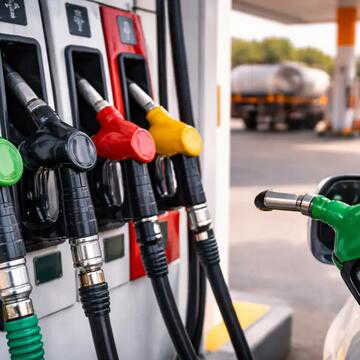
Fuel prices are likely to be the biggest area of immediate impact.
News 18 noted that the conflict had pushed global crude oil prices higher as traders factored in supply disruptions and elevated insurance costs for ships operating in the region. With shipping expected to normalise, oil prices have already begun to soften.
For India, lower crude prices could eventually translate into stable or reduced petrol and diesel rates. Even if prices do not fall dramatically, consumers may at least avoid frequent upward revisions.
This could also reduce pressure on government finances and improve overall economic stability.
Also Read | Did the US agree to release $24 billion to Iran? Here's what we know
Airfares, LPG and food costs could become more affordable
Cheaper oil has a cascading effect across sectors.
Airlines spend a significant portion of their operating budget on aviation turbine fuel. Lower fuel costs could encourage carriers to offer more competitive ticket prices, particularly on international routes connecting India to the Middle East and Europe.
Food inflation may also ease. Diesel powers trucks that transport fruits, vegetables and essential goods across the country. Reduced logistics costs could help stabilise prices at local markets.
Household energy expenses may also benefit. India depends heavily on imported LPG and natural gas. A calmer Gulf region and lower shipping costs could help authorities keep cooking gas prices under control.
Also Read | What is Juneteenth and why is it one of America's most important holidays?
Lower inflation may eventually reduce loan EMIs
Perhaps the most significant long-term benefit could come through interest rates.
Energy prices influence inflation across the economy. When oil becomes cheaper, manufacturing, transportation and consumer goods also become less expensive.
Lower inflation gives the Reserve Bank of India greater flexibility to maintain accommodative monetary policies or even consider rate cuts if economic conditions support them.
That, in turn, could make home loans, car loans and business borrowing more affordable for consumers.