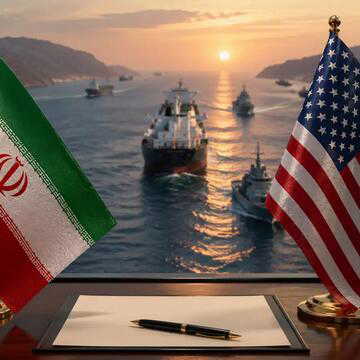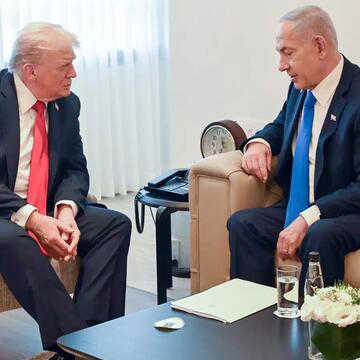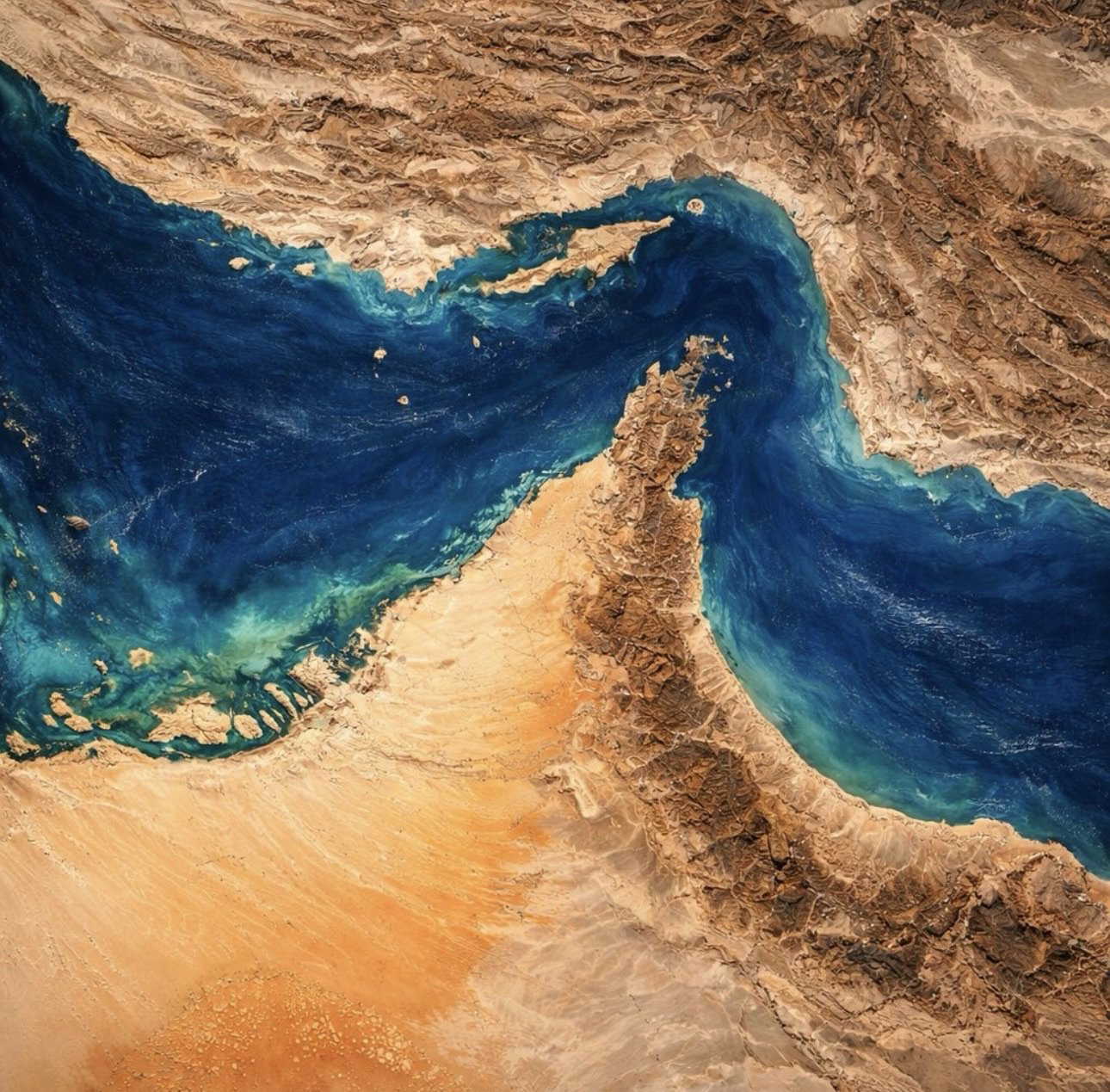
The United States and Iran have announced a breakthrough agreement to end months of hostilities, with the Strait of Hormuz set to reopen as part of the arrangement.
US President Donald Trump said the deal was “now complete” and declared, “Ships of the world, start your engines. Let the oil flow,” while saying the waterway would be reopened once the agreement is signed.
The signing is expected on Friday, June 19, according to the reports, though the precise mechanics of implementation remain unclear.
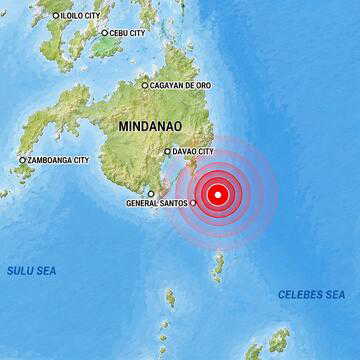
Also Read | 6.2-magnitude earthquake strikes Mindanao, days after deadly Philippines quake killed 65
🚨 BREAKING: SHIPS ARE SURGING through the Strait of Hormuz, President Trump confirms
— Eric Daugherty (@EricLDaugh) June 15, 2026
Prepare for GAS to PLUNGE! 🔥
"Ships are starting to move, many loaded up with Oil, out of the Strait of Hormuz. They are going along the Southern “Highway,” which is totally safe, secure, and… pic.twitter.com/WW7Tw5nGWJ
Reopening the gates, with caveats
The announcement has raised hopes of easing pressure on global shipping and energy markets, but the road back to normal is expected to be cautious and uneven.
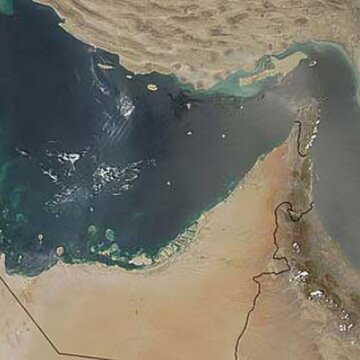
The Strait of Hormuz, which lies between Iran and Oman and is only about 30 kilometres wide at its narrowest point, is one of the world’s most important maritime chokepoints.
In normal times, it carries roughly one-fifth of global oil and liquefied natural gas trade, making even temporary disruption a major concern for exporters, importers and insurers.
A queue of giants awaits
Shipping and trade groups say the reopening alone will not be enough to restore routine traffic. The full recovery will depend on security, insurance and navigational safety assessments, while shipping operators are treating the reopening as the beginning of a normalisation process rather than an immediate return to pre-disruption conditions.
Capt. Farhad Patel of Sharaf Shipping Agency said the reopening is a “welcome development” for global shipping but warned that vessels will continue to assess security, insurance and official guidance before resuming routine patterns.
#WATCH | Delhi: On the reopening of the Strait of Hormuz, Former Indian diplomat, Dinkar P. Srivastava says, "The reopening of Hormuz Strait with lifting of the US blockade and Iranian restrictions is a very positive step forward for the global economy... We were importing… pic.twitter.com/xsGgS0IVsP
— ANI (@ANI) June 15, 2026
Not all hazards are out of sight
A central concern is the threat of mines and other safety risks in the waterway.
Mine clearance is a priority before trapped ships can safely leave the Arabian Gulf.
Industry voices say mine-free routes and credible assurances from both sides will be needed before traffic returns to pre-conflict levels.
The Pentagon had told Congress in April it could take six months to clear the Strait of Hormuz of mines, underscoring how long the disruption could last even after the political deal is signed.
Also Read | US-Iran peace framework reached: Why the next 60 days could be important
Peace on paper, proof at sea
Estimates of the backlog differ across reports, but all point to a substantial traffic jam in the Gulf.
The National said about 600 ships, including 250 oil and LNG tankers, were trapped, while Blue News cited the International Chamber of Shipping as saying around 500 ships need to pass through the strait to leave the region safely.
The same report said roughly 20,000 seafarers, port workers and offshore crews are stranded and that shipping traffic could take months to return to normal even after the route is formally reopened.
Despite the optimism around the deal, unresolved questions remain over enforcement, timing and the durability of the ceasefire.
Skirmishes have continued despite an April 8 ceasefire, and the coming days will determine whether the agreement leads to a lasting easing of maritime tensions or merely a temporary pause in one of the world’s most sensitive shipping corridors.
FAQs
Q1: What is the Strait of Hormuz and why is it important?
Ans: The Strait of Hormuz is a key shipping route that carries about one-fifth of the world's oil and LNG trade.
Q2: Will shipping through the Strait of Hormuz return to normal immediately after the US-Iran deal?
Ans: No, industry experts say mine-clearance operations, security checks and insurance concerns could delay a full return to normal traffic.