




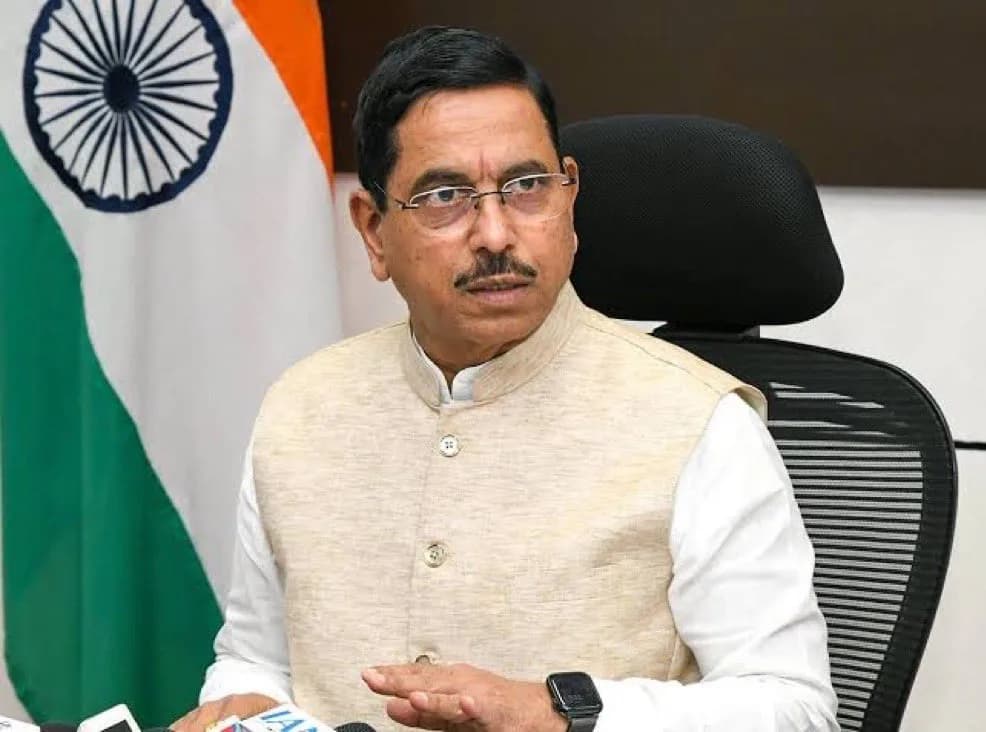

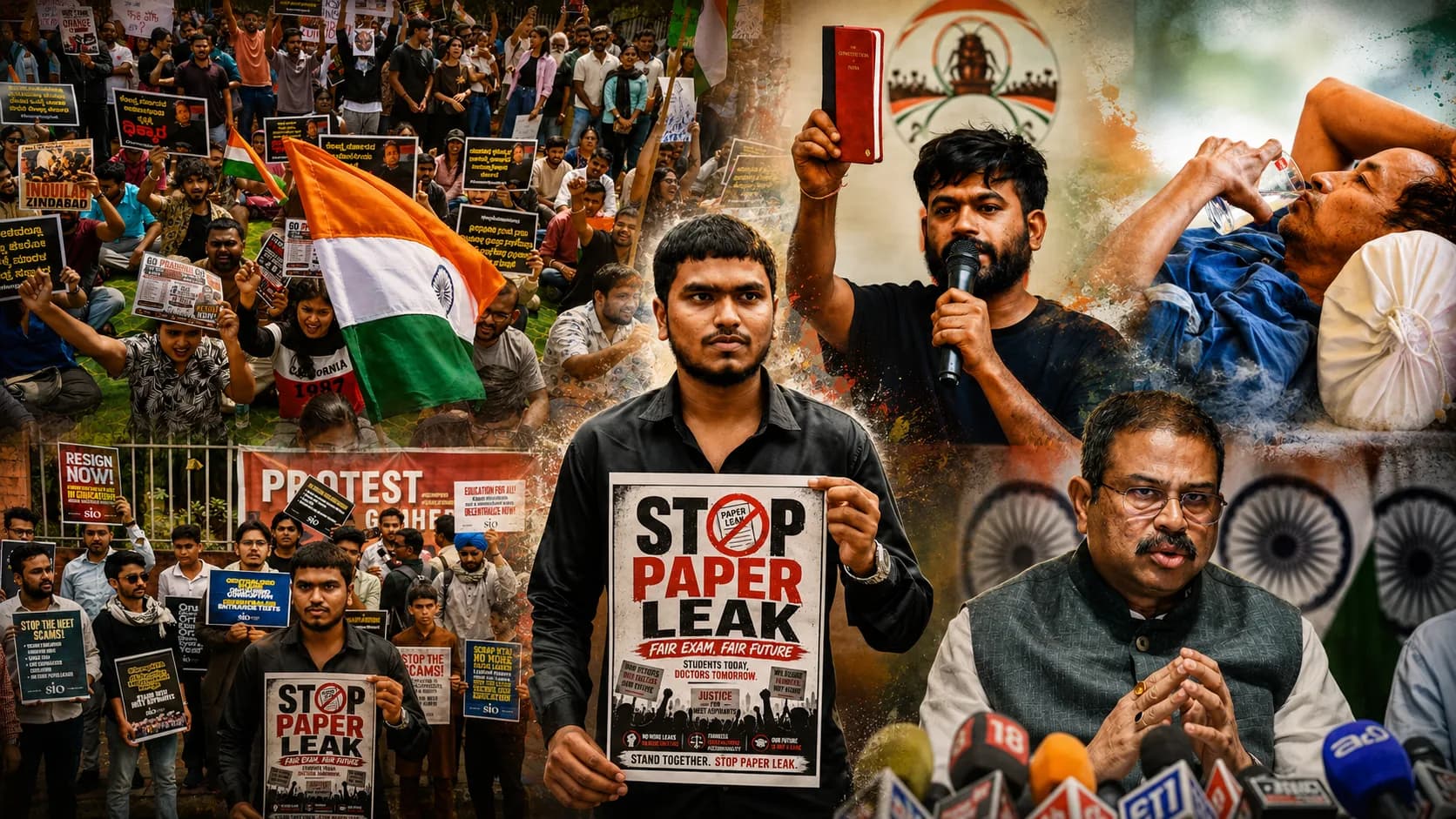
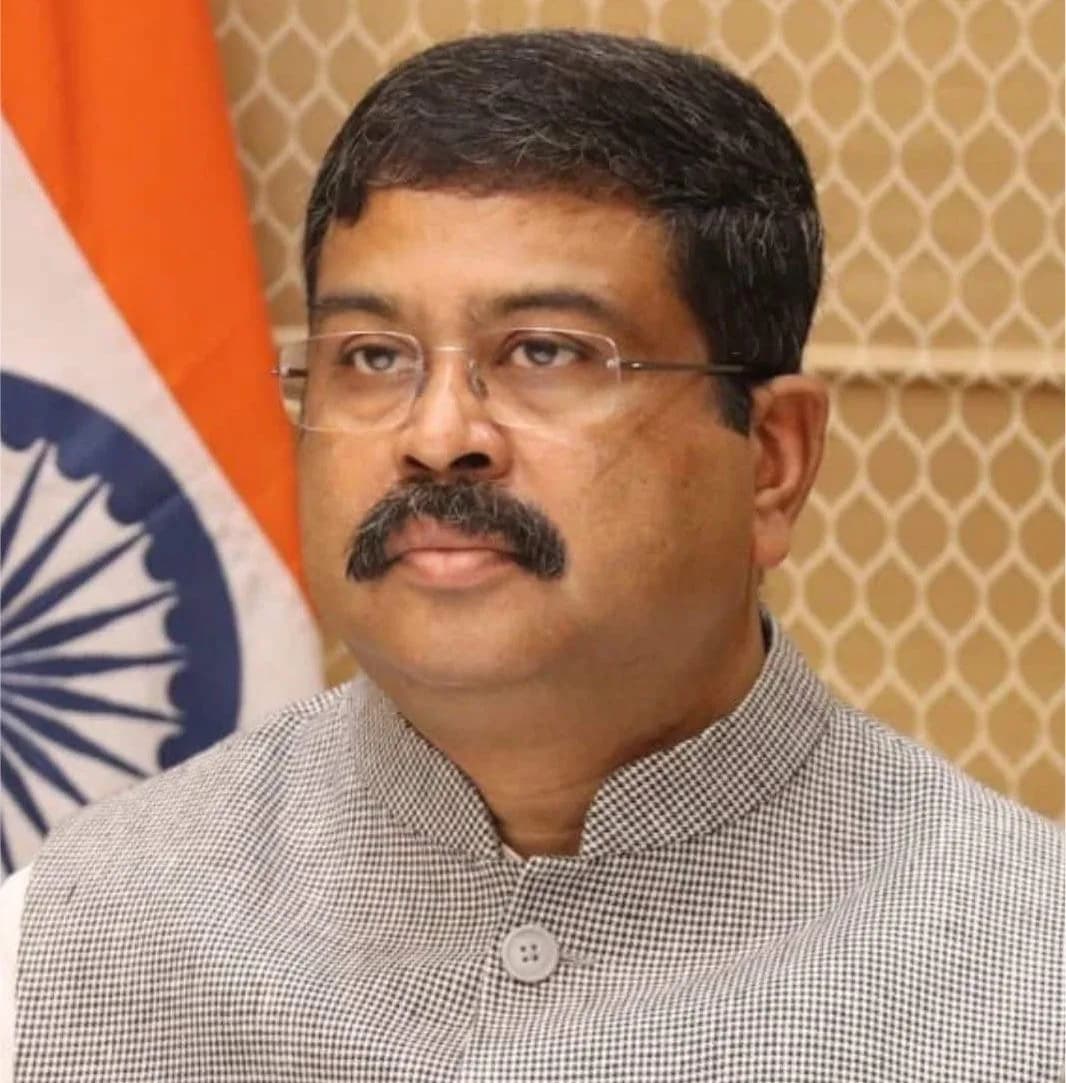


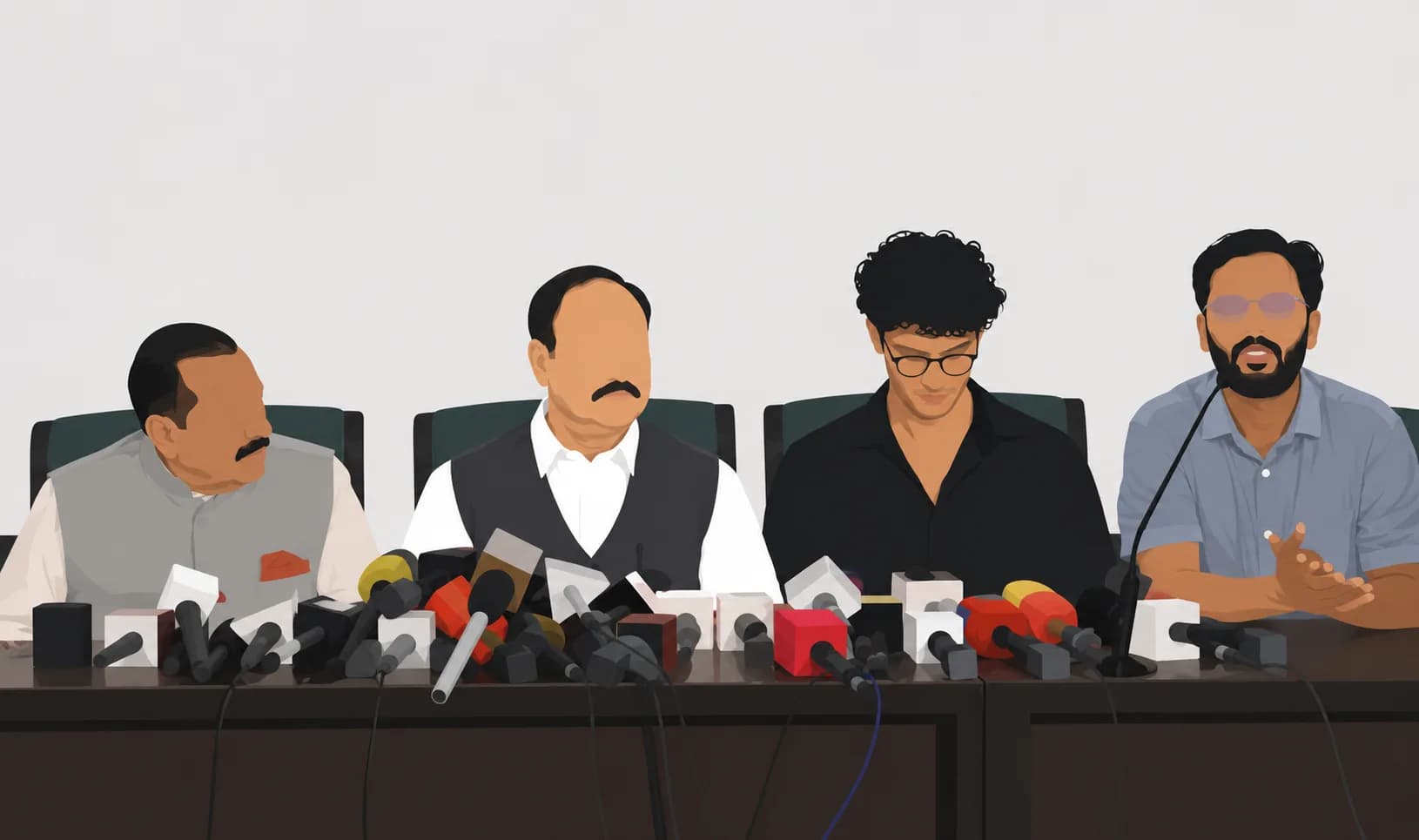
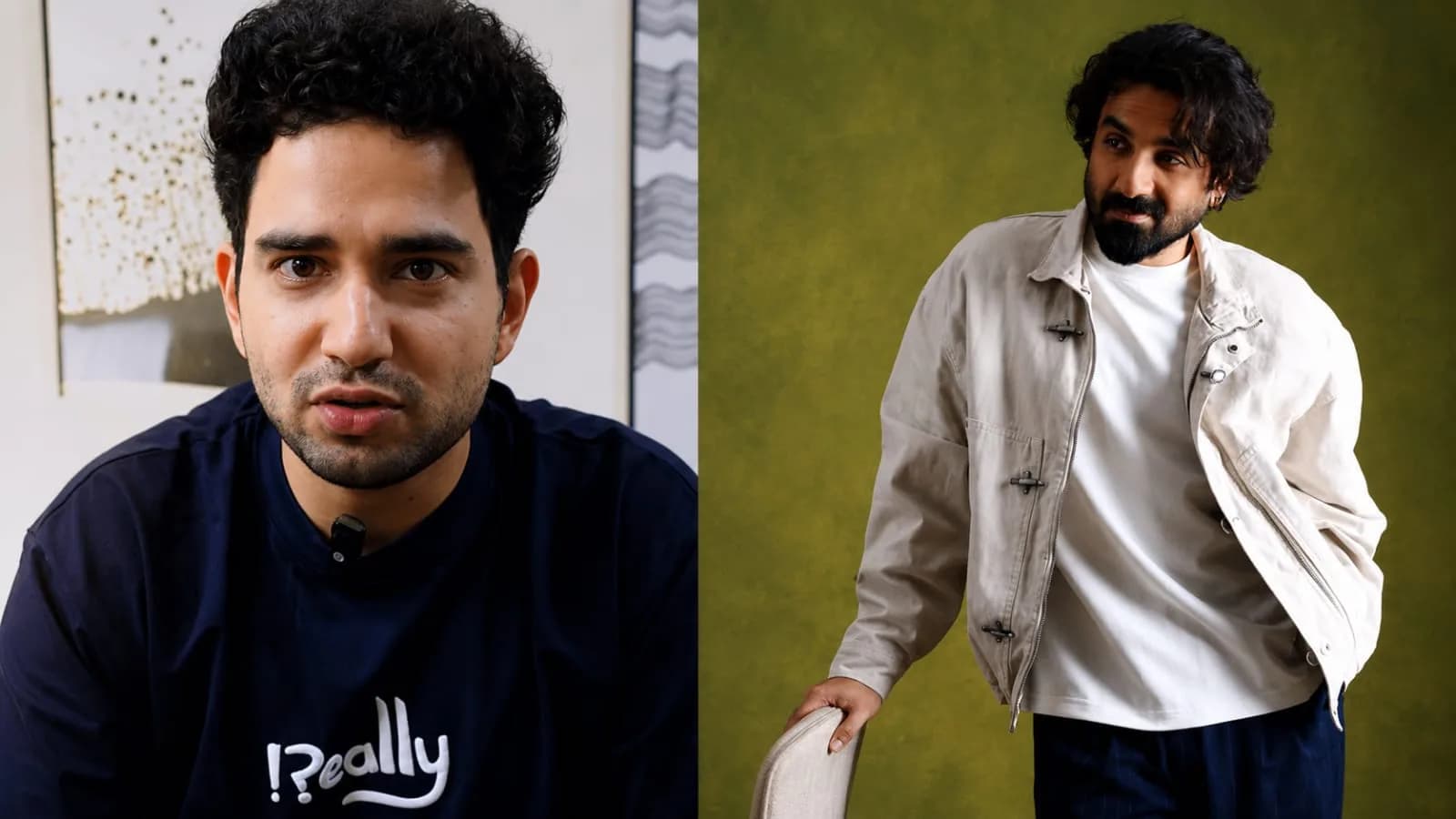

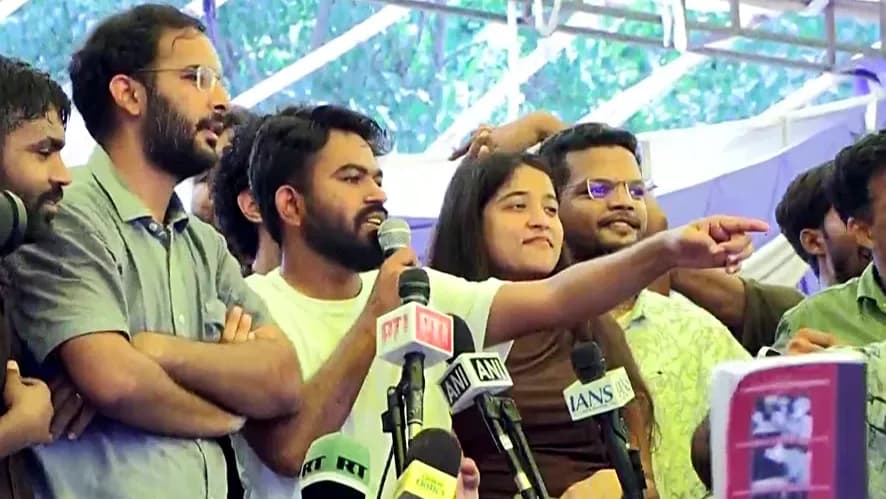



Union Education Minister Dharmendra Pradhan resigned on Saturday after months of mounting pressure triggered by the NEET-UG 2026 paper leak, nationwide student protests and a prolonged hunger strike led by activist Sonam Wangchuk. What began as allegations of an examination leak soon developed into one of the country’s biggest youth-led movements, with the Cockroach Janta Party (CJP) emerging as the face of the protests.
Here is a timeline of the key developments that culminated in Pradhan stepping down.
NEET-UG paper leak sparks nationwide outrage
The crisis began on May 3, when the National Testing Agency (NTA) conducted the NEET-UG 2026 examination for nearly 22 lakh candidates at 5,432 centres across India.
Within days, reports claimed that the question paper had been circulated through encrypted messaging networks before the examination. A widely shared “guess paper” that matched the actual question paper intensified concerns over the integrity of the exam.
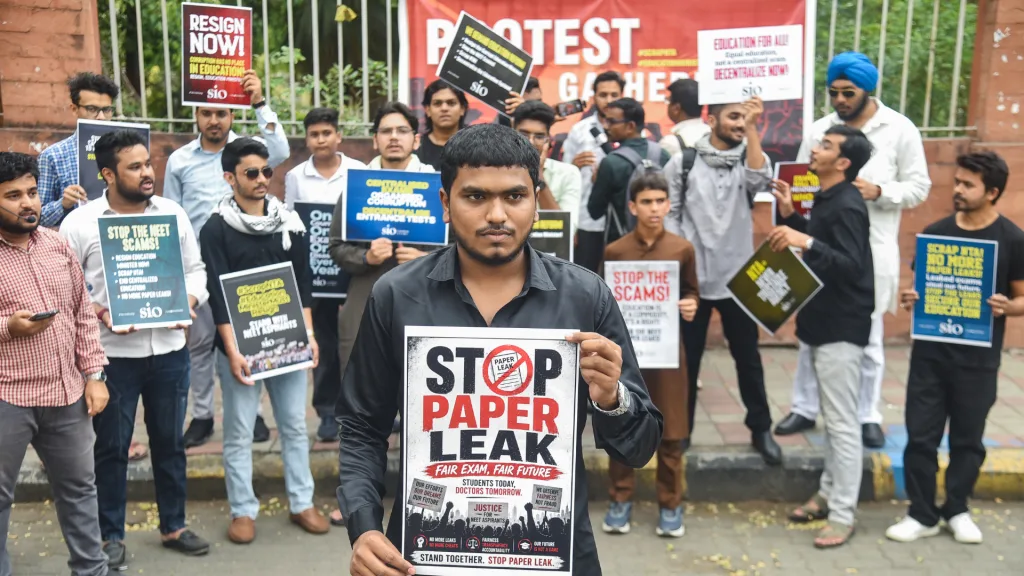
On May 12, the NTA cancelled the examination and the Union government transferred the investigation to the Central Bureau of Investigation (CBI).
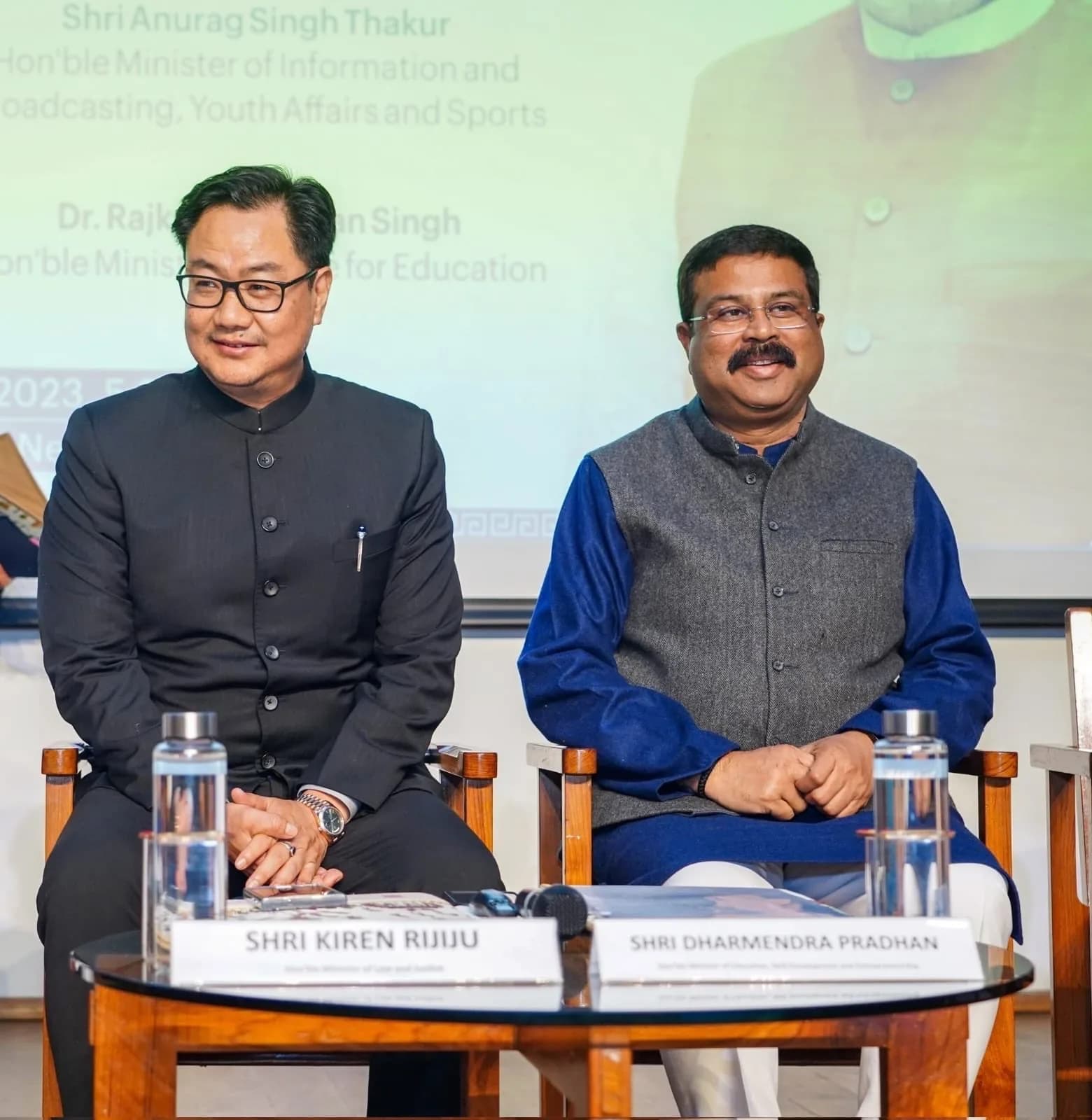
Three days later, Education Minister Dharmendra Pradhan publicly acknowledged the security breach. Referring to those allegedly involved in the leak, he said, “Rakshak hi bhakshak ban gaye” (Protectors became predators).
Around the same period, Chief Justice of India Surya Kant remarked that some unemployed young Indians were like “cockroaches” who complain about the system on social media. The comment prompted Boston University graduate Abhijeet Dipke to launch the Cockroach Janta Party (CJP) on May 16 as a satirical political movement. Within days, the party’s social media presence grew rapidly.
CJP protests gather momentum as Wangchuk joins movement
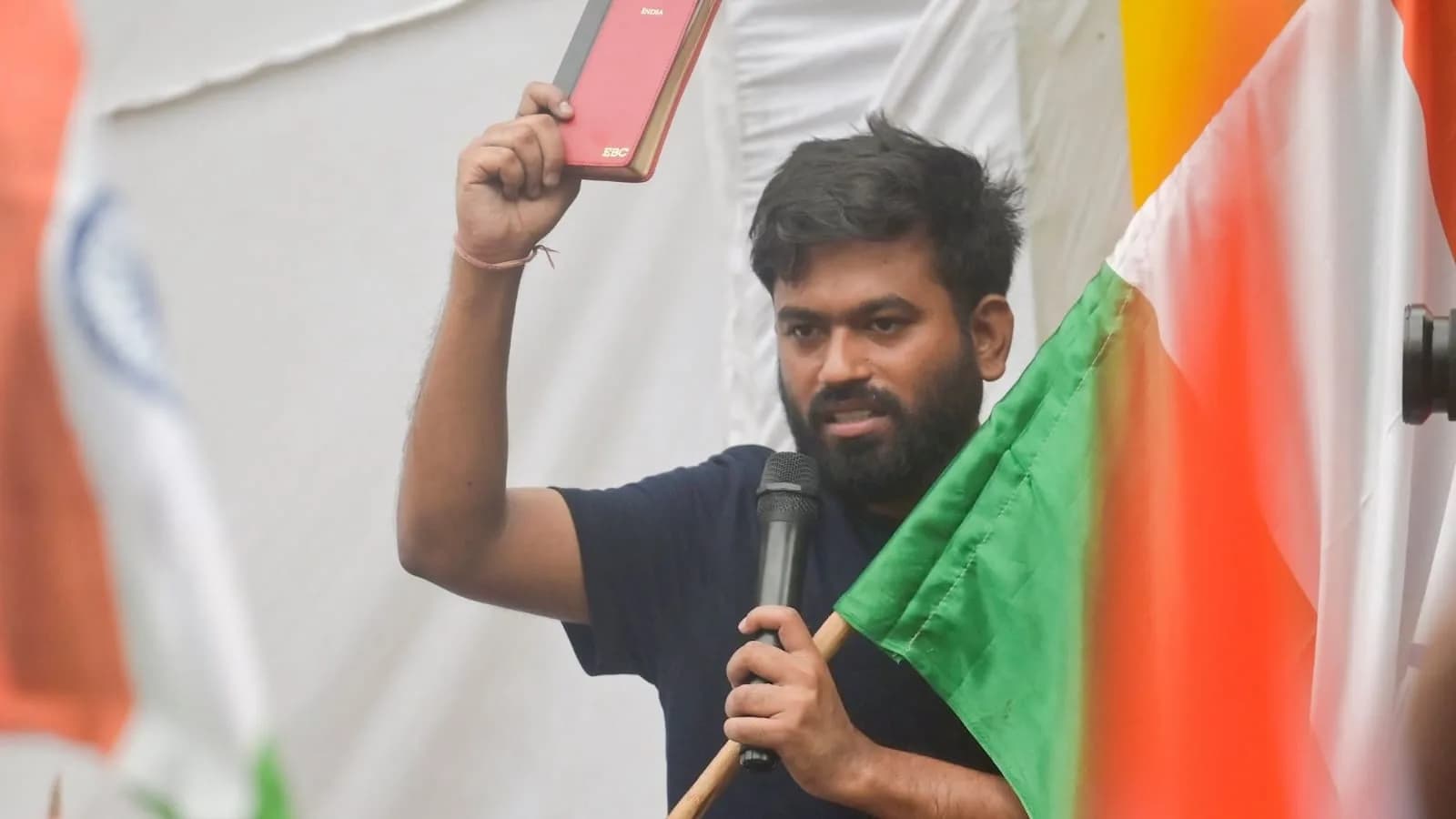
Public demonstrations over the cancelled examination continued through early June. On June 6, Dipke returned from the United States to lead the CJP’s first street protest, where participants demanded Pradhan’s resignation.
The party later released a five-point manifesto seeking compensation for affected students and wider reforms to India’s examination system.
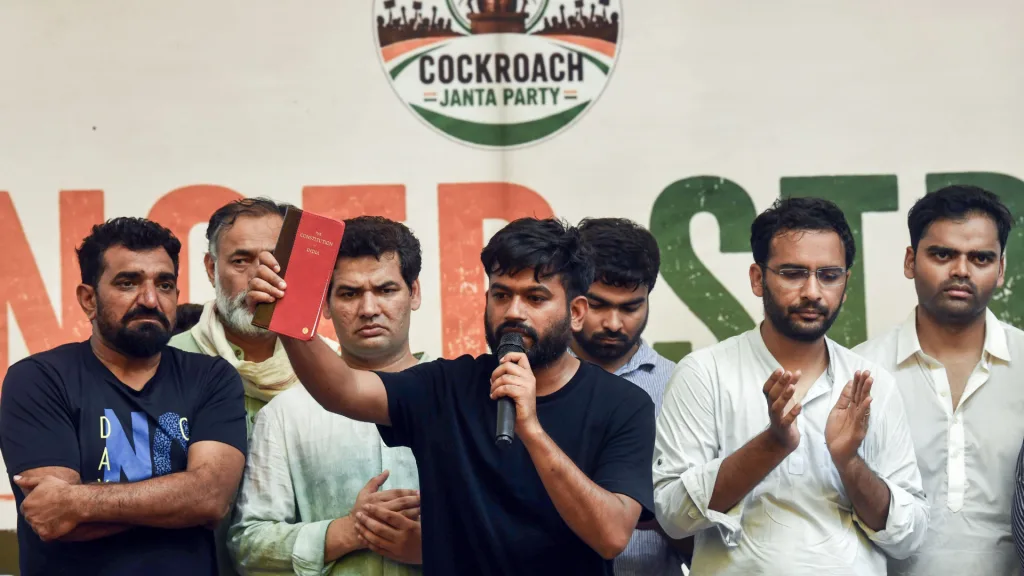
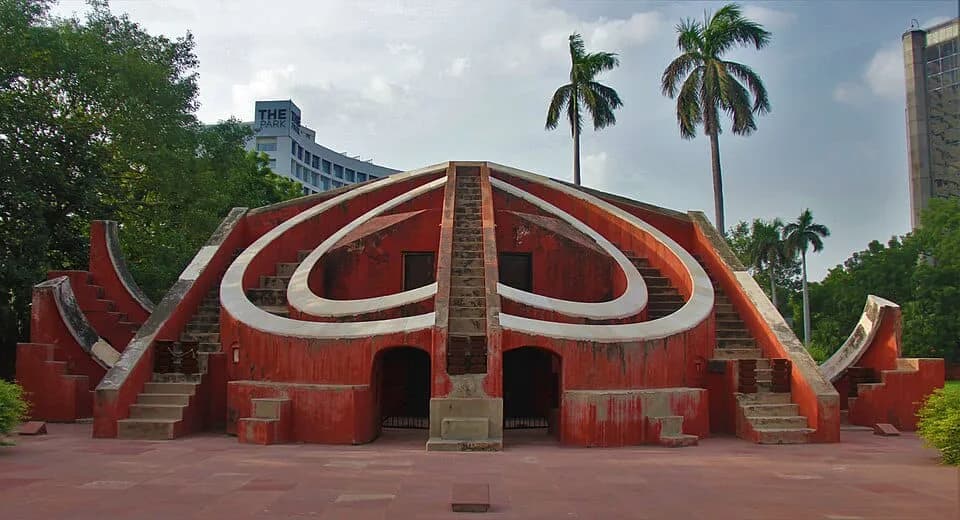
On June 20, CJP supporters began an indefinite sit-in at Delhi’s Jantar Mantar after alleging that the government had not responded to their demands. While the NTA conducted the nationwide NEET re-examination on June 21 under tighter security arrangements, protests continued to expand.
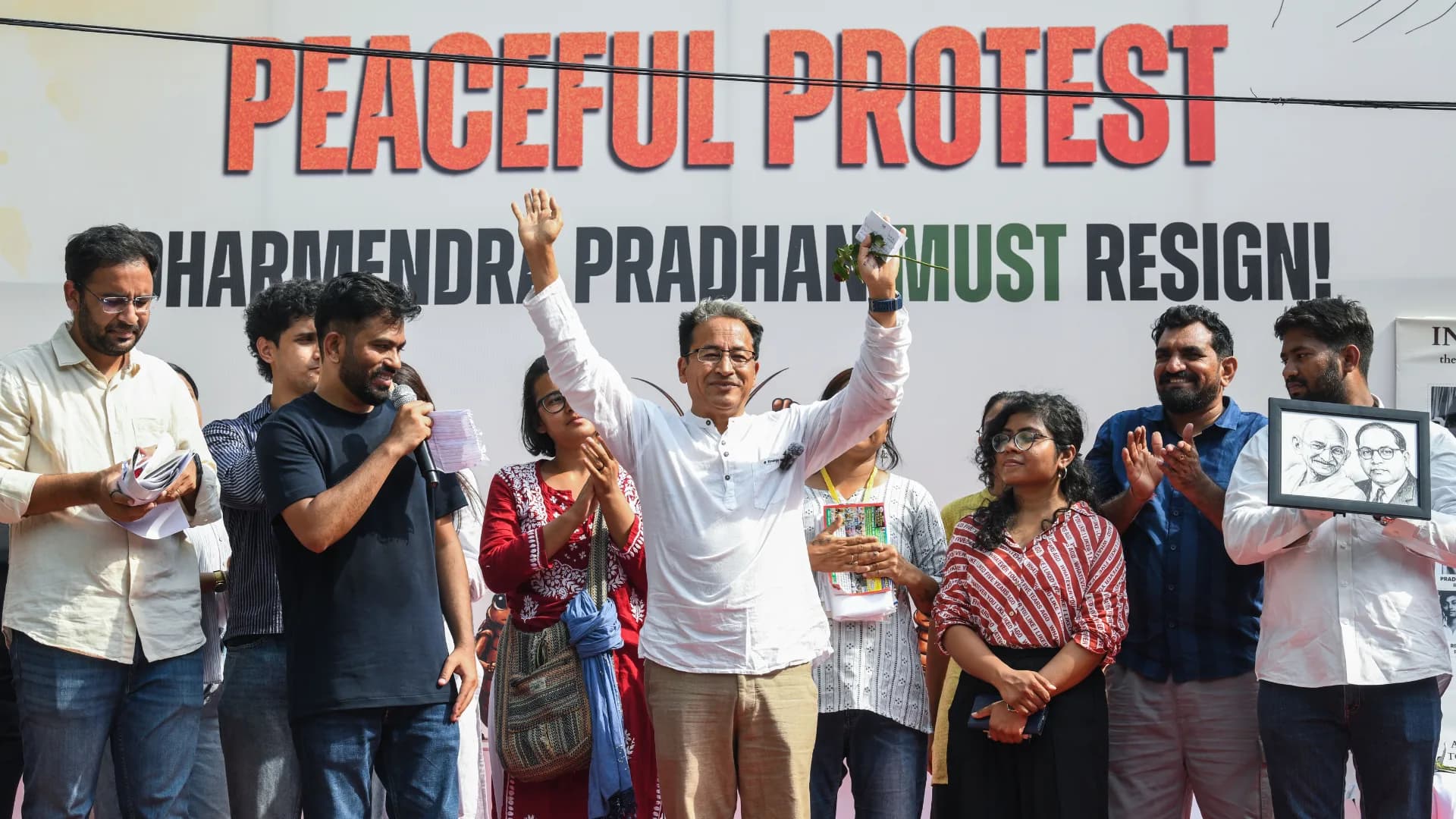
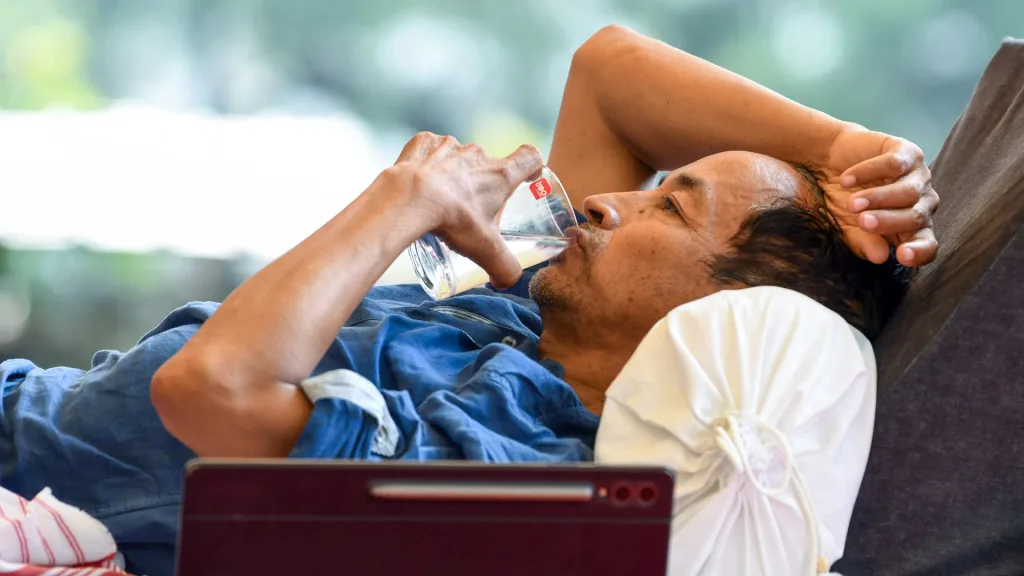
By late June, the agitation had spread beyond social media. On June 28, environmentalist and education reform advocate Sonam Wangchuk began an indefinite hunger strike at Jantar Mantar in solidarity with protesting students.
Also Read | Why did Dharmendra Pradhan resign? Here’s the full context of his letter
On July 9, Wangchuk appealed for a peaceful march to Parliament when the Monsoon Session resumed. As his health deteriorated, the Delhi High Court directed authorities on July 16 to ensure continuous medical care.
Two days later, Delhi Police shifted Wangchuk to Safdarjung Hospital as his condition worsened, further intensifying public anger.
Parliament march, Centre’s assurances and Pradhan’s resignation
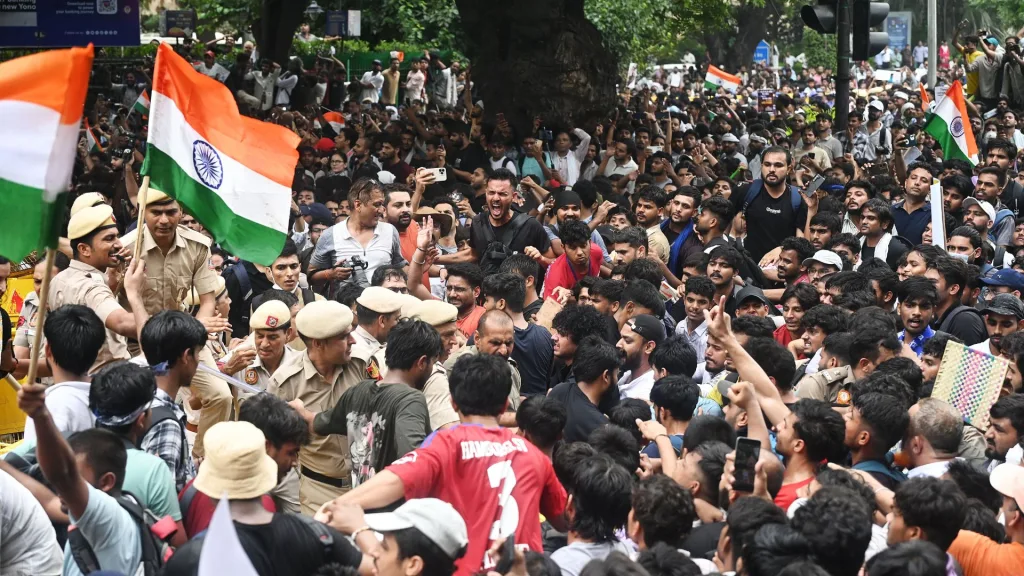
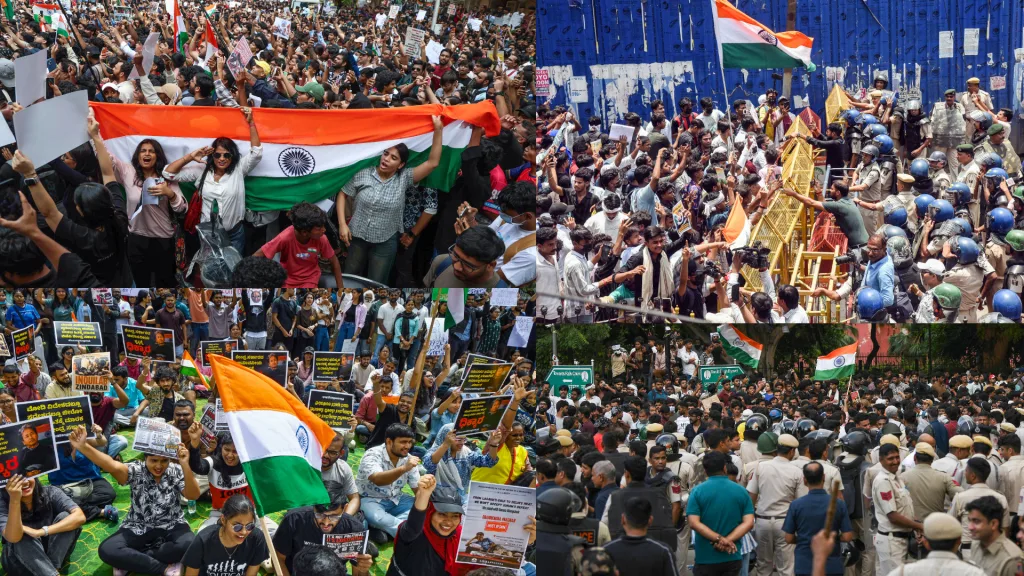
On July 20, thousands of protesters joined the CJP’s ‘Sansad Chalo’ march in Delhi, while solidarity demonstrations were also reported in Mumbai and Bengaluru. Clashes during the march left several protesters and police personnel injured.
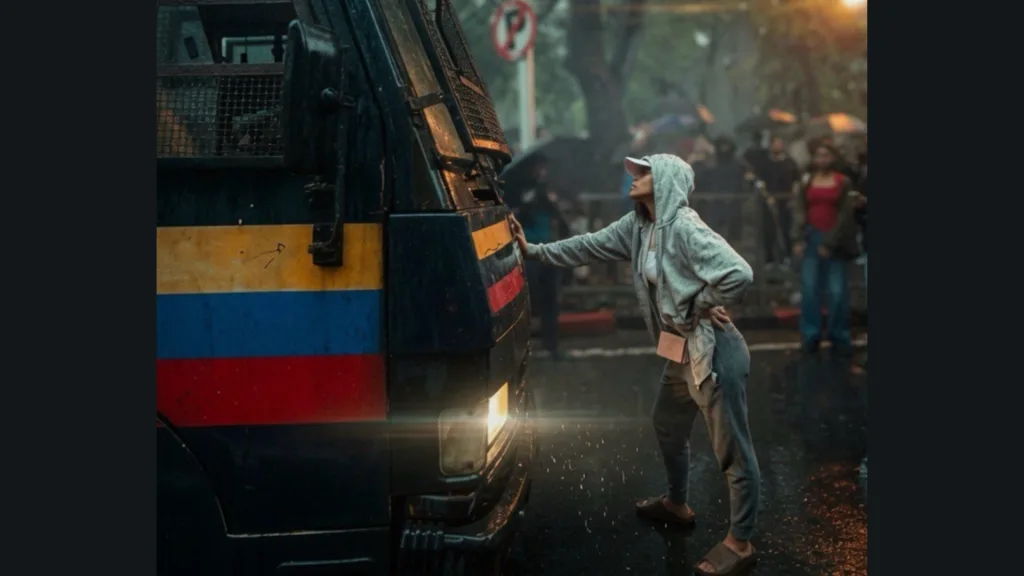
On July 22, a video from Mumbai showing a young woman standing in front of a police van while demanding the release of detained protesters drew widespread attention.
The following day, the CJP claimed protests had reached at least 30 cities across India. Prime Minister Narendra Modi responded by announcing a proposed Cabinet bill introducing stricter anti-paper leak laws and fast-track courts for such offences.
Also Read | ‘We have done it’: CJP founder Abhijeet Dipke reacts after Dharmendra Pradhan’s resignation
After fasting for 26 days, Wangchuk ended his hunger strike on July 24 from his hospital bed after receiving written assurances from the Centre. The government committed to a parliamentary debate on examination accountability, financial compensation for families of students who died by suicide during the crisis, and legal immunity for peaceful student protesters. Wangchuk broke his fast in the presence of Union Ministers J.P. Nadda and Jitendra Singh.
Despite those assurances, the CJP maintained that Dharmendra Pradhan’s resignation remained its central demand.
On July 25, Pradhan resigned as Union Education Minister. In a public post on X, he said he had submitted his resignation to the Prime Minister to safeguard the future of the country’s youth and ensure that the ongoing protests were not exploited by “malicious elements.”
— Dharmendra Pradhan (@dpradhanbjp) July 25, 2026
FAQs:
Why did Dharmendra Pradhan resign as Union Education Minister?
Dharmendra Pradhan resigned after sustained pressure following the NEET-UG paper leak, nationwide CJP-led protests and Sonam Wangchuk’s hunger strike.
What happened in the NEET-UG 2026 paper leak case?
The NEET-UG 2026 exam was cancelled after an alleged paper leak, leading to a CBI probe, a nationwide re-examination and months of student protests.
