Come February 7, commuters could face disruptions in their travel plans across the country as drivers associated with ride-hailing platforms, including Ola, Uber and Rapido are gearing up for a nationwide strike.
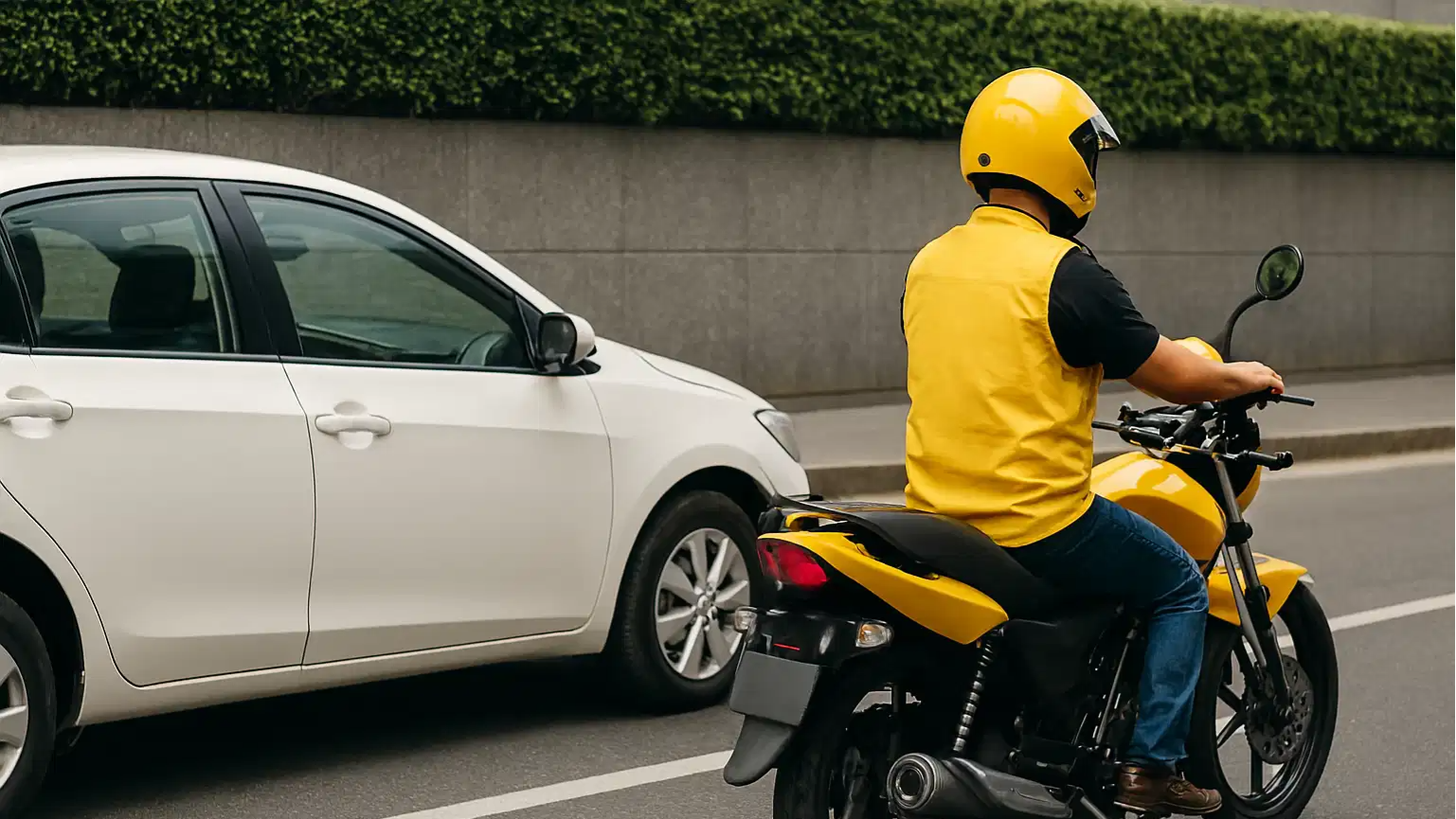
The protest, called the 'All India Breakdown', is set to have thousands of app-based drivers log off from ride-hailing platforms at the same time for at least six hours. This will impact cabs, auto-rickshaws and bike taxis.
The Telangana Gig and Platform Workers Union (TGPWU) announced the strike, with support from various labor organisations working at the national level.
Also Read | 'World more confident after India's trade deals with EU and US', says Prime Minister
In a post on social media platform X dated February 4, the TGPWU announced, "App-based transport workers across India will observe an All India Breakdown on 7 Feb 26. No minimum fares. No regulation. Endless exploitation."
"Govt must act NOW. Millions of app-based drivers are pushed into poverty while aggregators profit. Govt silence = platform impunity."
App-based transport workers across India will observe an All India Breakdown on 7 Feb 26.
— Telangana Gig and Platform Workers Union (@TGPWU) February 4, 2026
No minimum fares. No regulation. Endless exploitation.
Govt must act NOW.
Millions of app-based drivers are pushed into poverty while aggregators profit.
Govt silence = platform impunity pic.twitter.com/zT3e6eZWjm
Intent of strike
In a letter to Union minister for Road Transport and Highways Nitin Gadkari, the union highlighted what it called "long-pending and unresolved issues" faced by app-based transport workers nationwide.
The union pointed out that there are no government-set fare systems for drivers working with Ola, Uber, Rapido, Porter and other platforms that use autos, cabs and bike taxis. This lack of regulation means companies determine fares themselves.
Also Read | Bharat Taxi launched in India; here's how it's different from Ola and Uber
The letter stated that this leads to "severe income insecurity, exploitation, and unsustainable working conditions for millions of transport workers". The union urged the government to "act now", arguing that millions of app-based drivers are being driven into poverty while aggregator companies continue to make profits.
Demands of drivers
The drivers have also presented a list of demands to the government. In its letter to the Union minister, the union mentioned the Motor Vehicle Aggregator Guidelines, 2025. These guidelines call for regulatory oversight, clear fare systems and protections for driver livelihoods.
In their post on X, they stated, "Despite Motor Vehicle Aggregator Guidelines, 2025, platforms continue to fix fares arbitrarily. Our demands are clear: Notify minimum base fares, End misuse of private vehicles for commercial rides."
Despite Motor Vehicle Aggregator Guidelines, 2025, platforms continue to fix fares arbitrarily.
— Telangana Gig and Platform Workers Union (@TGPWU) February 4, 2026
Our demands are clear:
✅ Notify minimum base fares
✅ End misuse of private vehicles for commercial rides@nitin_gadkari @MORTHIndia @Ponnam_INC @TGRTAIndia pic.twitter.com/VwA03cfj18
They have asked for immediate notification of minimum base fares by the Central and state governments for app-based transport services, including autos, cabs, bike taxis and other aggregator-based services. These fares should be established after discussions with recognised driver and worker unions, following the Motor Vehicle Aggregator Guidelines, 2025.
Also Read | India masters SFDR missile technology, joins elite club alongside US, Russia, China and France
They have also demanded for a strict ban on using private, non-commercial vehicles for transporting passengers and goods. Alternatively, such vehicles must be converted into the commercial category, in line with the Motor Vehicles Act, the Aggregator Guidelines, 2025, and related rules.
What should commuters expect?
Unions have called for a strike that is expected to last at least for six hours. However, the disruption level will vary from city to city, depending on how many people actually take part in it. Passengers who bank on cabs for daily commuting have been advised to make alternate arrangements on Saturday, especially during peak hours.