India on Saturday sharply rejected comments made by Pakistani President Asif Ali Zardari regarding alleged threats to Muslim sites in the country, with the Ministry of External Affairs (MEA) describing the remarks as unwarranted and accusing Islamabad of attempting a political attack on India.
The response came after Zardari raised concerns over what he claimed were threats to Muslim places of worship in India, including the Masjid Ganj Shaheeda in Varanasi.
His comments prompted a strong reaction from New Delhi, which said Pakistan had no basis to comment on matters that were entirely internal to India.
Also Read | Fake NEET paper claim under scanner after caller allegedly demanded ₹30,000 from Ajmer student leader
President Asif Ali Zardari expressed deep concern over the demolitions and threats to historic Muslim religious sites in India, including the 1,000-year-old Masjid Ganj Shaheeda in Varanasi. He asked India to immediately stop such actions, warning that they risk leading to the…
— The President of Pakistan (@PresOfPakistan) June 20, 2026
A diplomatic rap across the knuckles
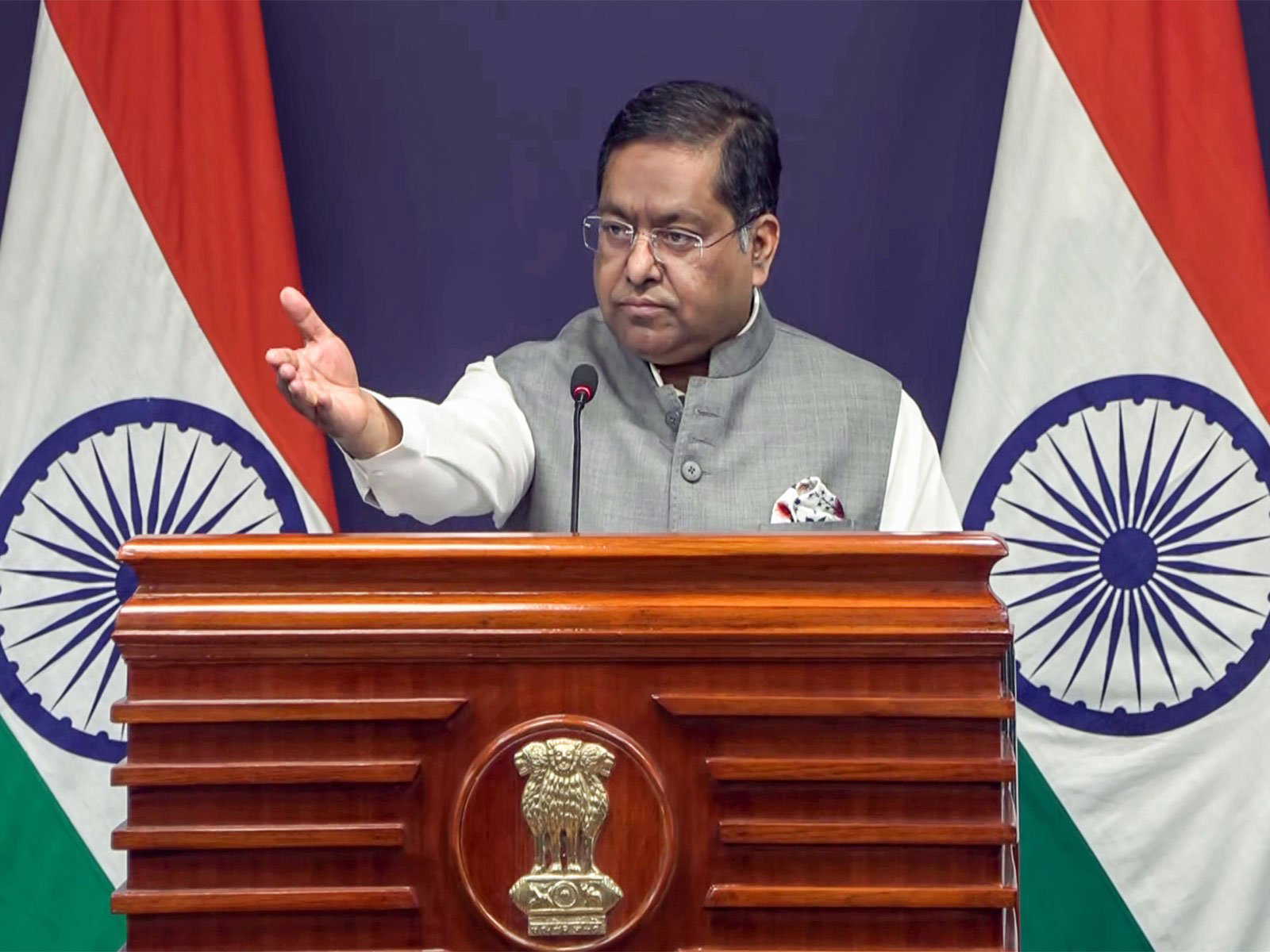
MEA spokesperson Randhir Jaiswal said India “categorically rejects the unwarranted comments made by the President of Pakistan.” He added that Zardari had “no locus standi to comment on matters that are internal to India.”
In a pointed response, Jaiswal also highlighted Pakistan’s human rights record, saying the remarks were “particularly absurd given Pakistan’s own abysmal record on human rights, which is a matter of global commentary.” He further accused Pakistan of having a long history of targeting and victimising religious minorities.
The MEA said Pakistan’s treatment of minority communities undermined its credibility on issues related to religious freedom and places of worship.
The spokesperson referred to longstanding concerns raised by international observers and rights groups regarding the condition of minorities in Pakistan.
🚨 BREAKING: India has firmly rejected the unwarranted remarks made by Pakistan’s President, asserting that he has no standing to comment on India’s internal affairs. New Delhi also pointed out the irony of such statements, highlighting Pakistan’s own poor human rights record,… pic.twitter.com/EUT5Yq2Bz4
— Indian Defence Times (@IndianDefenceT) June 21, 2026
No quarter in the war of words
The ministry pointed, incidents involving religious persecution and violence against minority communities continue to be reported in Pakistan.
Jaiswal said the Pakistani president’s remarks reflected a broader pattern and described them as a “deliberate political attack” rooted in policies of “bigotry and hatred.”
The latest exchange adds to a series of diplomatic confrontations between the two neighbours, which have frequently traded accusations on issues ranging from minority rights to internal governance and regional security.
While Zardari’s remarks focused on concerns about Muslim sites in India, New Delhi maintained that such issues fall within India’s domestic jurisdiction and reiterated its position that external commentary from Pakistan on internal matters is unacceptable.
The MEA’s response underscored India’s continued rejection of what it views as attempts by Islamabad to interfere in its internal affairs.
Also Read | PM Modi delays airport departure to avoid disrupting NEET aspirants' commute in Delhi
FAQs
Q1: Why did India reject Asif Ali Zardari’s remarks?
Ans: India said Zardari’s comments on Muslim sites were unwarranted and concerned India’s internal affairs.
Q2: What did India say about Pakistan’s human rights record?
Ans: India cited Pakistan’s treatment of religious minorities and called its human rights record “abysmal.”