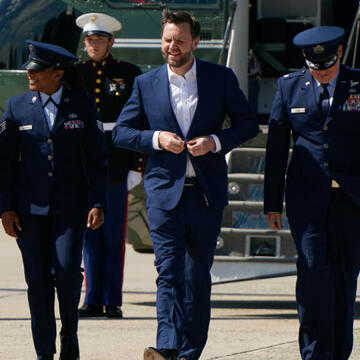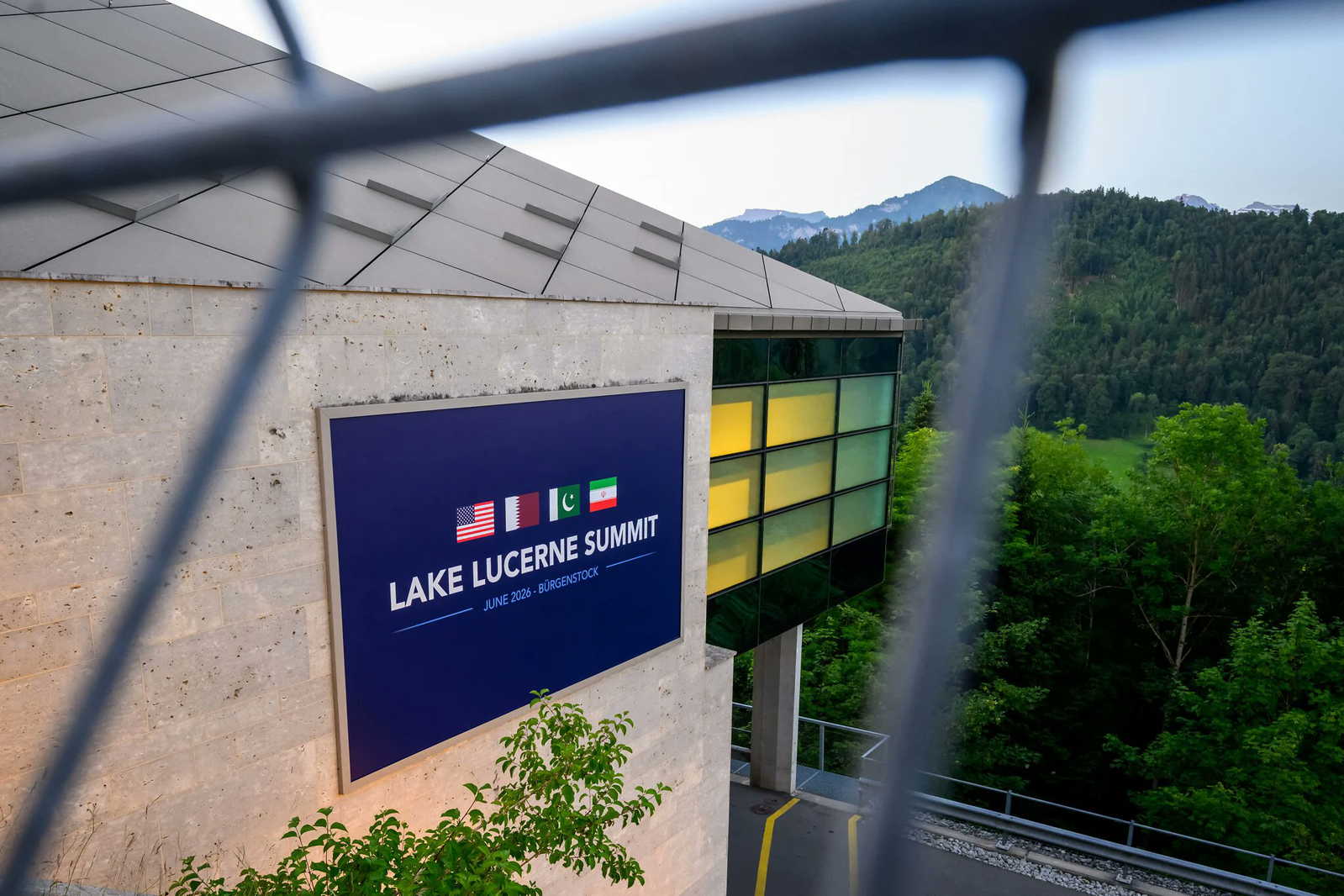
A high-level Iranian delegation arrived in Switzerland on Saturday, while US Vice President JD Vance left Washington for the talks. The talk has already begun.
The Iranian side is being led by chief negotiator Mohammad Baqer Qalibaf and includes Foreign Minister Abbas Araqchi, along with senior security, central bank, and oil officials.
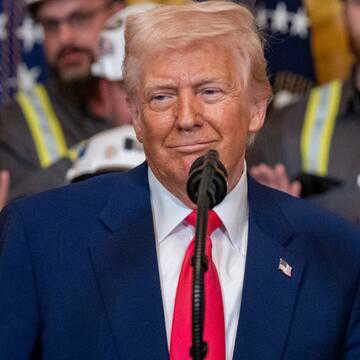
Reuters said the meetings are taking place after a Pakistan-brokered interim deal signed by US President Donald Trump and Iranian President Masoud Pezeshkian to end the four-month war.
Also Read | Can Vance's Swiss mission ease tensions over Iran, Lebanon and Hormuz?
US-IRAN-QATAR TALKS UNDERWAY IN SWITZERLAND
— Mossad Commentary (@MOSSADil) June 21, 2026
US, Iran, and Qatar have begun talks in Switzerland focused on a potential Lebanon ceasefire and the release of Iran’s frozen assets.
According to Iranian state media, the three-way meeting is taking place at the negotiation venue.… pic.twitter.com/eab4vmScu7
A narrow channel and a widening quandary
The immediate backdrop is the Strait of Hormuz, where the Iranian Revolutionary Guards declared the waterway shut again, even as US Central Command said 55 merchant ships had transited on Saturday carrying more than 17 million barrels of oil to global markets.
Iran linked its move to what it called Israeli “crimes” in Lebanon and a US violation of ceasefire commitments. The dispute has made the negotiations more complex, because the wider interim arrangement ties progress on the Iran track to a halt in fighting in Lebanon.
In its reporting, Axios said Washington wants the first round to end with Iran inviting UN inspectors back to its nuclear sites and is prepared to release some frozen funds, starting with a $6 billion account in Qatar.
🇮🇷🇺🇸 Vance arrives for Iran talks in Switzerland
— Mario Nawfal (@MarioNawfal) June 21, 2026
JD's convoy has arrived at the Bürgenstock Resort in Obbuergen, near Lucerne
Top of the agenda will be how to ensure the deal isn't derailed by Israel's repeated attacks on Lebanon
Source: Times of Israel / Writer: Ian https://t.co/E4RFzHaPSq pic.twitter.com/qTlNRWAl5J
Sixty days and scarcely a moment to spare
Vance described the agenda in cautious terms before leaving for Europe, saying negotiators would likely have “a couple days of talks.” Trump said “no toll will be charged” for passage through the strait during the ceasefire period, though he left open the possibility of a US-imposed levy if peace talks fail.
The broader memorandum of understanding leaves nuclear and other hard issues for later and gives the sides 60 days either to reach a lasting deal or extend the interim arrangement.
A fragile pause under stern examination
The talks are unfolding against a wider diplomatic and military squeeze. The ceasefire in Lebanon only came after a sharp escalation in fighting threatened to derail the broader US-Iran process.
It also said the memorandum envisions relief for Iran from economic sanctions, unfreezing of assets, and US waivers for oil exports, making the next round of talks critical to whether the current pause hardens into a durable settlement or collapses under pressure from the region’s active fronts.
Also Read | Trump on Strait of Hormuz: 'There will be NO TOLLS' unless US imposes them after 60 days
FAQs
Q1: Why are the US and Iran holding talks in Switzerland?
Ans: The talks aim to build on a fragile interim accord and address disputes over Iran's nuclear programme, sanctions relief and regional security.
Q2: What does the US reportedly want from Iran in the first round of talks?
Ans: According to reports, Washington wants Iran to allow renewed access to its nuclear sites for UN inspectors in exchange for limited financial relief.