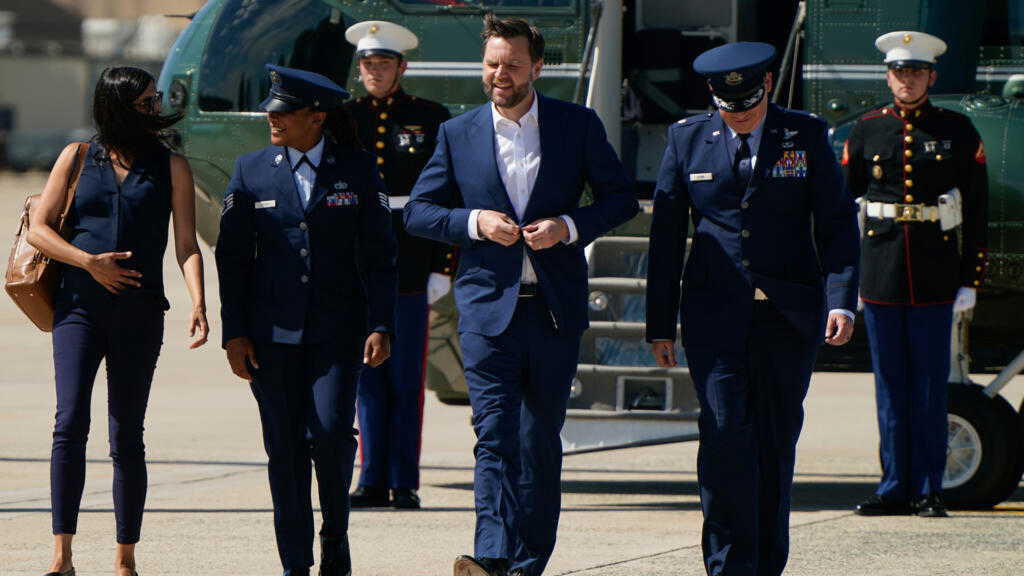
US Vice President JD Vance and senior Iranian officials arrived at the Bürgenstock resort in Obbürgen, near Lucerne, on Sunday to begin a new round of negotiations over Tehran’s nuclear program and the broader interim agreement meant to end the war in Iran.
The talks were also tied to efforts to stabilise the wider regional conflict, with Pakistan’s Prime Minister Shehbaz Sharif and army chief Field Marshal Asim Munir in Switzerland as mediators, alongside Qatari officials.
The gathering came after Israel and Hezbollah agreed to a ceasefire in Lebanon on Friday, but the calm remained fragile. Reuters reported that Israeli airstrikes continued briefly after the ceasefire began. The negotiations were being launched amid heightened tensions over Tehran’s claim that it had closed the Strait of Hormuz again.
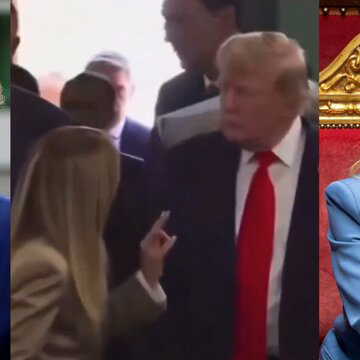
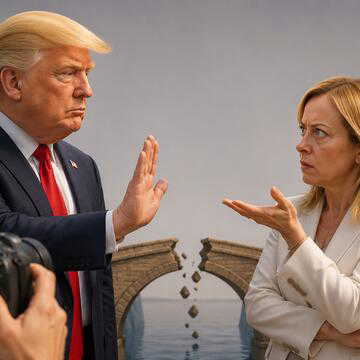
Also Read | Trump vs Meloni: How a G7 photo triggered a bitter US-Italy war of words
Iran-US talks kick off TODAY in Switzerland — MFA Spox Baqaei confirms
— Levan Gudadze (@GudadzeLevan) June 21, 2026
Talks with Pakistani and Qatari mediators, then 4-way negotiations including US
VIDEO: Iranian and Swiss FMs shake hands ahead of packed day pic.twitter.com/prX1cDukhY
Diplomacy's hourglass turns once more
The framework under discussion was signed this week by the US and Iranian presidents and allows both sides 60 days to reach a lasting agreement or extend the interim deal.
Vance had originally planned to attend the technical talks before cancelling after the Lebanon fighting flared again, a move that complicated prospects for reopening the Strait of Hormuz to global shipping.
Before boarding his flight to Europe, Vance said he could “only be there for a day or two” and hoped to “make progress on the nuclear issue” and the Lebanon ceasefire issue, adding that “things are actually getting better there, and things are slowing down a little bit.”
Iranian officials, meanwhile, have argued that the implementation of the deal must begin with a halt to fighting on all fronts, including Lebanon, and have accused Washington of failing to ensure compliance with the ceasefire.
🇮🇷🇵🇰🇺🇸 Strait of Hormuz remains closed as Iran and U.S kick off peace talks
— Mario Nawfal (@MarioNawfal) June 21, 2026
Iran confirmed its delegation and the U.S will hold quadrilateral talks in Switzerland this afternoon, alongside Pakistani and Qatari mediators.
FM spokesman Esmaeil Baghaei said morning bilateral… https://t.co/ovRbU7q95d pic.twitter.com/OvRdRgTKrs
A narrow waterway, a rather large dilemma
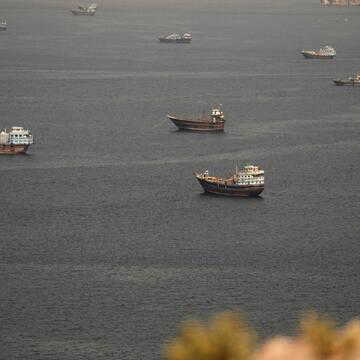
The Strait of Hormuz quickly emerged as one of the main pressure points around the talks. Iran claimed it was shutting the waterway in response to Israeli strikes in Lebanon. The US military said traffic was still flowing.
The US says Iran “doesn’t control” the strait. Trump warned that America could impose its own tolls if a final deal is not reached within 60 days. He said the arrangement would keep the waterway toll-free for the 60-day period. His post on Truth Social made clear that any future tolls would be imposed only if Washington chose to do so.
The warning underscored the economic stakes of the talks, given the strait’s role as a vital shipping lane for global energy flows.
The final act remains unwritten
The negotiations in Switzerland are now set against a wider regional backdrop in which the Lebanon ceasefire, the Iran agreement, and maritime access through Hormuz are all linked.
The talks represent a 60-day sprint to finalize the technical details of the accord, which has implications for global security and the world economy. The broader interim deal necessitates an immediate and permanent cessation of military operations on all fronts, including Lebanon.
Israel is not party to the agreement, and Iranian officials have said the US would be responsible for any violations of its commitments. The next phase of diplomacy will depend on whether the ceasefire holds and whether the negotiators can bridge the remaining gaps before the 60-day window closes.
Also Read | Trump on Strait of Hormuz: 'There will be NO TOLLS' unless US imposes them after 60 days
FAQs
Q1: Why are the US and Iran holding talks in Switzerland?
Ans: The two sides are negotiating the details of an interim agreement aimed at addressing Iran's nuclear programme and reducing regional tensions.
Q2: What did Donald Trump say about the Strait of Hormuz?
Ans: Trump warned that the US could impose tolls on traffic through the Strait of Hormuz if a final deal with Iran is not reached within 60 days.