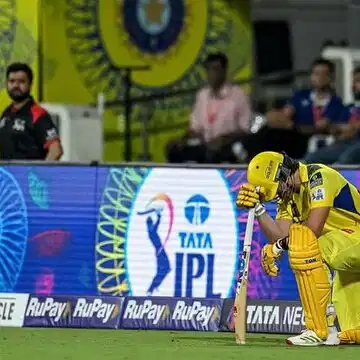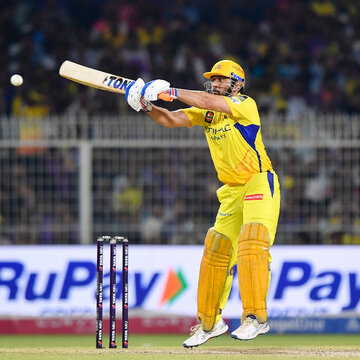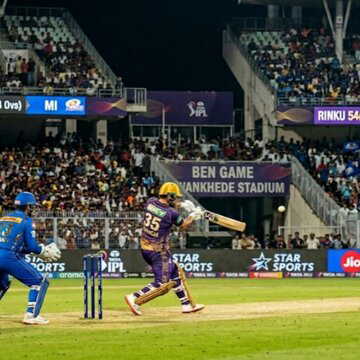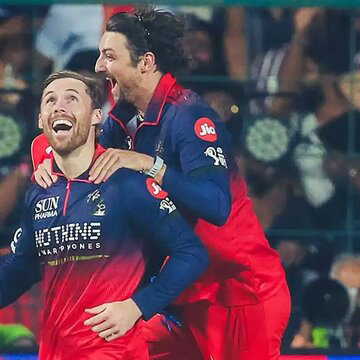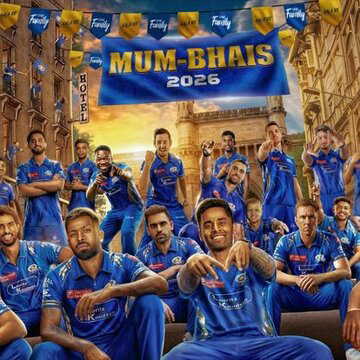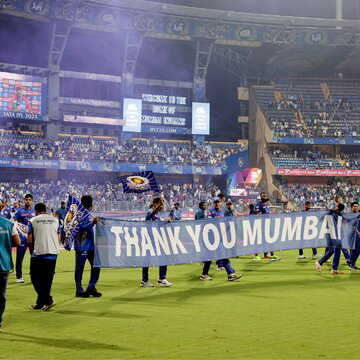
Kolkata Knight Riders endured a disappointing start to their Indian Premier League 2026 campaign, going down by six wickets to Mumbai Indians. While an opening loss is not unusual in a long tournament, the manner of defeat has raised deeper structural concerns within the squad. Despite assembling a well-balanced and expensive roster at the auction, KKR failed to execute effectively, leaving fans and analysts questioning key decisions.
Cameron Green’s limited role sparks debate
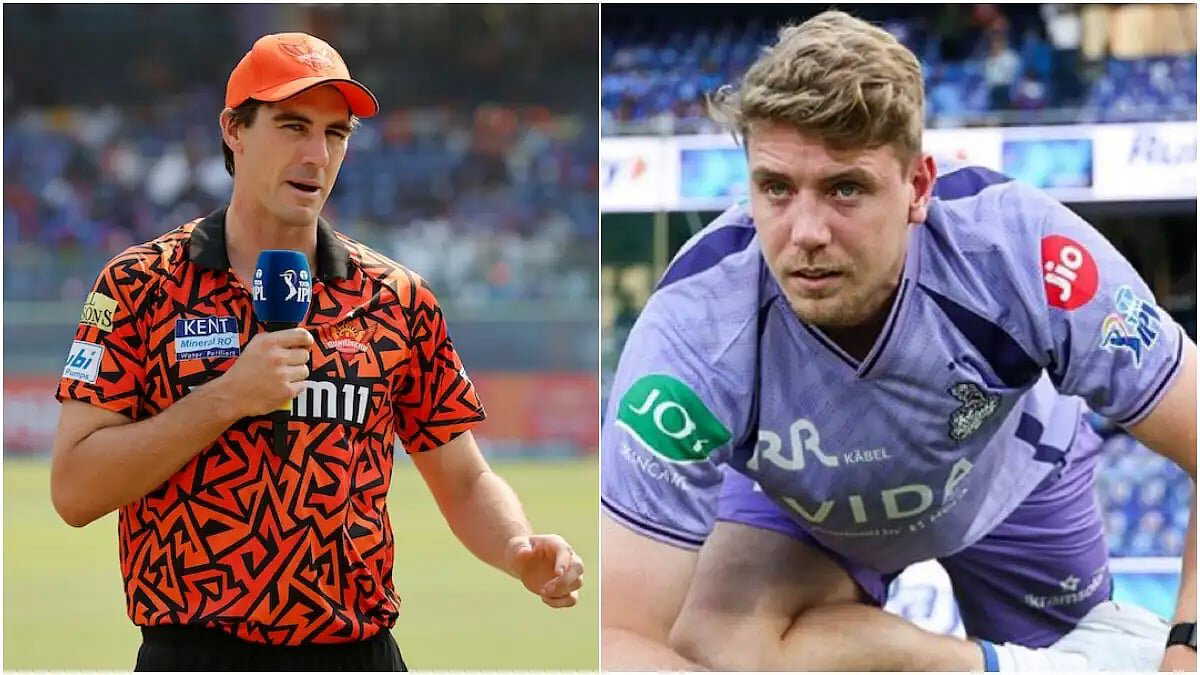
The most pressing issue revolves around Cameron Green. Acquired for a staggering ₹25.20 crore, Green was expected to contribute as a premium all-rounder. However, against Mumbai, he did not bowl a single over and managed only 18 runs with the bat. This underutilization disrupted team balance and exposed a planning gap.
Also Read | Neymar’s World Cup spot in doubt as Ancelotti weighs tough call
Captain Ajinkya Rahane did not hide his frustration post-match, indirectly pointing toward Cricket Australia and their handling of player workloads. Reports suggest that Green, like several other Australian players, is carrying fitness concerns, limiting his on-field role.
Injury cloud over Australian contingent impacts IPL teams
KKR’s problem is not isolated. Several franchises are grappling with similar setbacks involving Australian players. Royal Challengers Bengaluru are dealing with fitness concerns around Josh Hazlewood, while Sunrisers Hyderabad are without Pat Cummins for the initial phase. Delhi Capitals await the arrival of Mitchell Starc, who is recovering from multiple injuries, and Punjab Kings face limitations with Cooper Connolly unable to bowl.
This widespread issue highlights a growing conflict between franchise expectations and national board priorities.
Workload management vs franchise investment
At the core lies Cricket Australia’s strict workload management policy. With a demanding international calendar ahead including around 20 Test matches between August 2026 and August 2027—the board is prioritizing long-format readiness over franchise commitments.
Also Read | Tottenham sack Igor Tudor after 43 days as relegation fears deepen
While this approach safeguards players for international duties, it places IPL teams in a difficult position. Franchises invest upwards of ₹20 crore in marquee players, expecting full availability and defined roles. When those players are partially fit or restricted, team strategies collapse, forcing reliance on backup domestic options.
Transparency concerns and the road ahead
The situation has reignited calls for greater transparency in player fitness disclosures before auctions. Teams are now pushing for clearer communication from boards and potential rule changes, including mid-season replacement flexibility.
Unless these structural issues are addressed, IPL franchises may continue to face uncertainty—where high-value investments fail to deliver expected returns, not due to performance, but due to availability constraints.