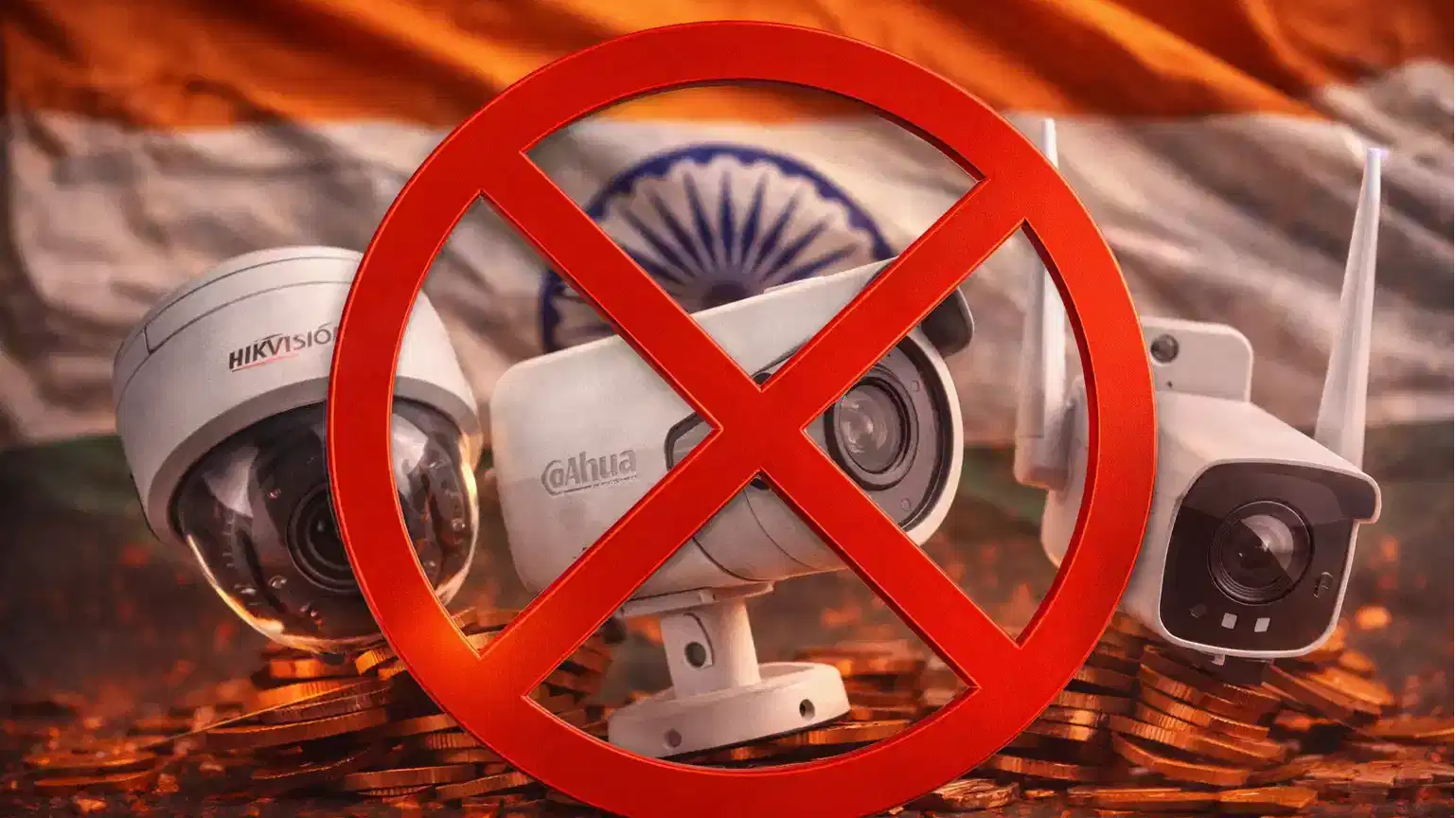
India is all set to bar the sale of internet-enabled CCTV cameras from Chinese companies such as Hikvision, Dahua, and TP-Link from April 1, with new certification regulations kicking in, as per a report by The Economic Times, quoting industry executives.
The move comes in the wake of the enforcement of mandatory certification regulations under the Standardisation Testing and Quality Certification (STQC) regime, in the absence of which CCTV equipment cannot be sold in the country.
Also Read | Planning to buy iPhone 15 or 16? Prices may go up soon — here’s why
New rules tighten security checks on connected devices
The restrictions have been put in place due to the Essential Requirements (ER) norms set by the Ministry of Electronics and Information Technology (MeitY) in April 2024. Under the new norms, manufacturers have been mandated to declare the origin of key components used in their products, including chipsets. Moreover, devices have also been mandated to be tested for any potential security threats that could allow unauthoried access.
Products belonging to Chinese companies have been reportedly withheld from being certified. Moreover, products that make use of Chinese chipsets have also been withheld. Such products may not be sold in the market once the new norms are implemented.
Indian brands rise in market dynamics
Chinese companies had dominated India’s CCTV market until recently, with around one-third of total sales in the country during the previous year. However, Indian brands have been quickly gaining momentum in recent times. Brands such as CP Plus, Qubo, Prama, Matrix and Sparsh have scaled operations, restructured supply chains and shifted towards non-Chinese components, including Taiwanese chipsets.
According to Counterpoint Research, Indian players now control over 80 per cent of the market as of February, while premium segments continue to be dominated by global firms such as Bosch and Honeywell.
Also Read | What is Instagram ‘Plus’ subscription? Pricing, features and how it works | Explained
Transition period ends, compliance becomes mandatory
Companies were given a two-year transition window to align with the new regulations. More than 500 CCTV models have already been certified under the updated framework.
With the April 1 deadline approaching, manufacturers without STQC clearance risk losing access to one of the world’s fastest-growing surveillance markets.