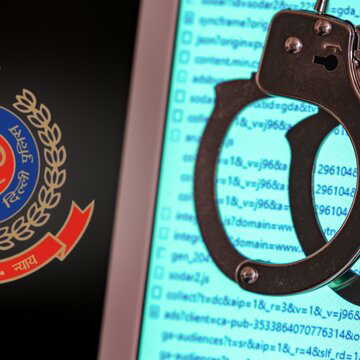
India has temporarily blocked Telegram until June 22, days before the NEET-UG 2026 re-examination on June 21, after the National Testing Agency recommended action over alleged use of the platform in exam-related cheating and the circulation of leaked papers and answer keys.
The restriction has also drawn a legal challenge in the Delhi High Court, while users reported that messages stopped getting delivered from Wednesday evening, making the move functionally closer to a ban than a limited curb.
Also Read | Vande Bharat Sleeper expansion gathers pace: Mumbai-Bengaluru among key routes on railway radar
India’s IT ministry banned Telegram for one week because some users shared leaked exam questions.
— Pavel Durov (@durov) June 16, 2026
This punishes 150M+ ordinary Telegram users in India — not the insiders who leaked the exam materials.
And the ban hasn't stopped anything. The leaks just moved to other apps. https://t.co/CzQWN4mXfb
A curious case of reach and risk
The Indian action has once again highlighted what makes Telegram attractive and controversial in equal measure.
Unlike services built largely around private chats, Telegram combines messaging with large public channels and massive groups that can host lakhs of users, allowing information to spread rapidly.
That same design has made it popular among students, businesses, creators, activists, journalists, and dissidents, but it has also made the app difficult for regulators to ignore when they suspect misuse.
In India’s case, investigators said the platform’s message-editing feature was being used to post generic content before exams and then alter it later to create the impression that the sender had prior access to the paper.
🚨 BIG UPDATE: Delhi High Court questions Telegram ban!
— Pushpendra Singh (@pushpendrakum) June 18, 2026
“Should an entire app be banned to curb an issue?” the court asked the government.
The Centre has now filed an affidavit defending the Telegram ban.
This case could set a major precedent for internet freedoms and platform… pic.twitter.com/xWtJHpLlQc
Across borders, the same old concern
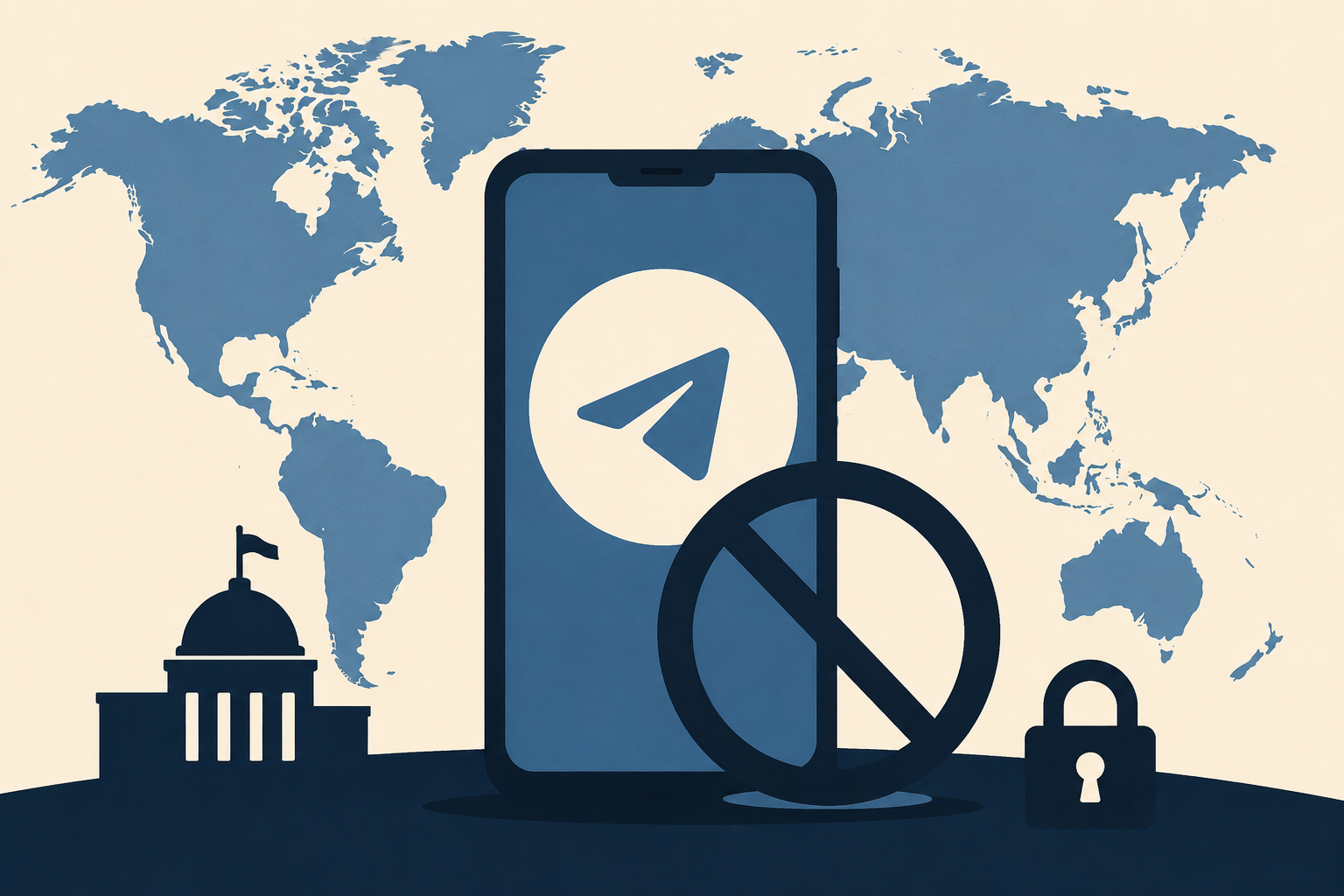
India is not by itself. For a variety of reasons, including security, disinformation, and governmental control, Telegram has frequently been subject to limitations, suspensions, or bans worldwide.
Russia blocked the app in 2018 after it refused to provide access to encrypted communications sought by security agencies, then lifted the ban in 2020 after enforcement proved difficult.
Iran permanently blocked Telegram in 2018 after anti-government protests, accusing it of helping demonstrators organize. China has blocked it since 2015 under its wider censorship regime, while Brazil has twice moved against the platform over compliance issues, including misinformation probes and a criminal investigation into neo-Nazi groups.
Ukraine has restricted Telegram on government and military devices, citing fears that Russia could exploit it for surveillance or disinformation.
More than a messaging service, it seems
Telegram's troubles have extended beyond outright bans. In 2024, founder Pavel Durov was detained in France amid an investigation into alleged criminal activity on the platform and concerns over its cooperation with law enforcement.
French authorities accused Telegram of failing to do enough to curb child sexual abuse material, drug trafficking networks, and organized crime-related activity.
Elsewhere, Telegram has faced restrictions in Pakistan, Cuba, Thailand, Azerbaijan, Bahrain, and Belarus, and Norway has discouraged officials from using it on government-issued devices.
Taken together, the pattern suggests that governments are increasingly willing to treat Telegram not just as a messaging app but as digital infrastructure that can shape speech, security, and public mobilization at scale.
Also Read | Why the India-UK trade deal is being called ‘historic’ ahead of July 15 launch?
FAQs
Q1: Why has Telegram been banned or restricted in several countries?
Ans: Many governments have cited concerns ranging from security and misinformation to alleged non-compliance with local laws and investigations into illegal activity.
Q2: Why did India temporarily restrict Telegram in 2026?
Ans: India temporarily restricted Telegram ahead of the NEET-UG re-examination over allegations that the platform was being used to circulate leaked exam-related material.