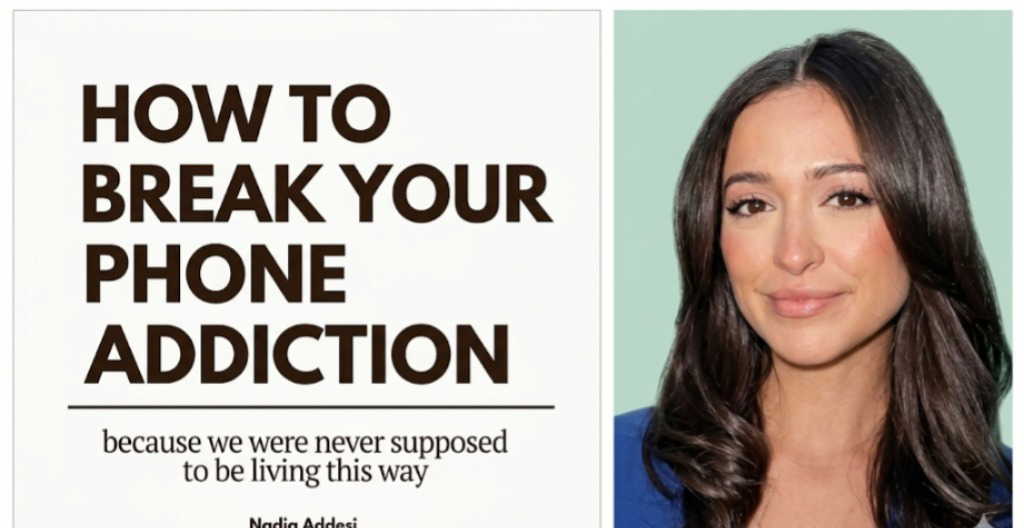
Struggling with constant phone use is a common modern problem. Therapist Nadia Addesi in an Instagram post, explains that simple scrolling is often a deeper behavioural pattern where the brain starts depending on the phone to escape discomfort. She says understanding this pattern is the first step to breaking it. Phone use becomes automatic over time, driven by stress, boredom, or loneliness rather than intention.
She defines the core issue clearly: “Phone addiction is when your brain starts relying on your phone to avoid discomfort. It becomes the fastest way to deal with stress, boredom, or loneliness. The more relief it brings, the more your brain depends on it.” This creates a loop where the phone is used even when it causes mental fatigue. Gradually, people begin checking it without awareness, even during rest or conversations.
The problem becomes visible through daily behaviour like checking the phone immediately after waking up, scrolling when overwhelmed, or feeling anxious when it is not nearby. These repeated actions show dependency rather than casual use.
Also Read | Is buffet food really fresh? Chef Sanjeev Kapoor breaks buffet myths: leftovers, ladles and hygiene truths
What phone addiction really is
Phone addiction is a cycle where emotional discomfort triggers phone use, which then gives temporary relief. This relief reinforces the habit, and gradually the brain starts associating the phone with escape and constant stimulation, making it harder to stop over time. Nadia explains the pattern simply as: “Bored: crave stimulation → open phone → dopamine Anxious: crave escape → scroll → numbness Lonely: crave connection → check notifications → brief validation Tired: crave rest → scroll → quick hit of energy This is the cycle of any addiction: Relief now and damage later. Damage caused to the brain and body”.
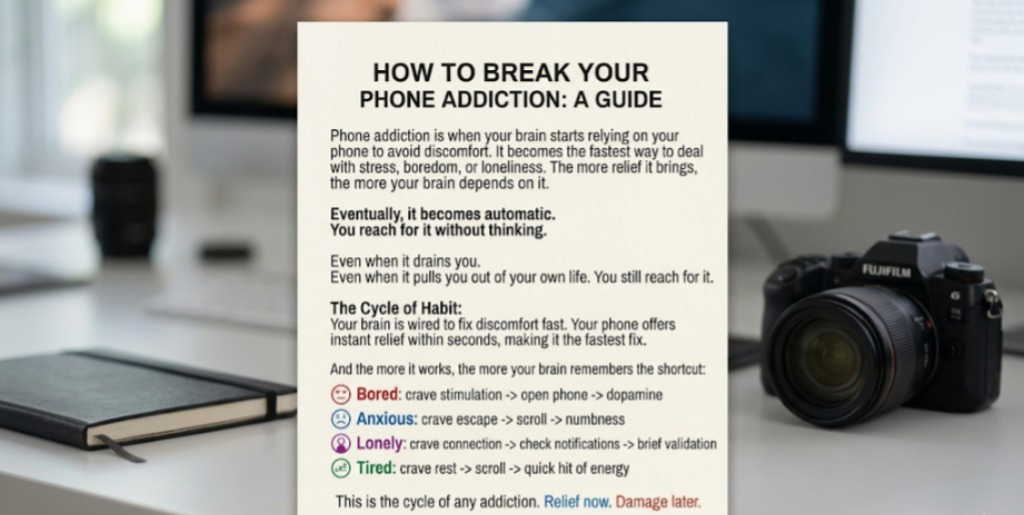 Therapist shares ways to reduce screen time Ai genarated
 When does it become a concern
According to Nadia, phone use starts becoming a problem when it turns into automatic behaviour rather than conscious choice. It is no longer just about using a device, but about depending on it in different emotional and daily situations. She explains the warning signs clearly: “You open your phone mid-task and forget what you were doing. You scroll when you feel overwhelmed or overstimulated. You check it before you even get out of bed. You carry it from room to room, even when you’re not using it. You check it during quiet moments — even when nothing’s happening. You reach for it during conversations. You feel anxious when it’s not nearby.” These behaviours show how phone use can slowly shift into dependency, affecting attention, presence, and emotional control in everyday life.
Why stopping feels difficult
Stopping is hard because the brain prefers instant relief over long-term balance. Phones offer immediate stimulation through notifications, social media, and endless content. This trains the brain to choose quick comfort instead of dealing with boredom, stress, or silence. Over time, even short gaps without the phone can feel uncomfortable or stressful.
How much does it affect brain and body
Nadia mentions that excessive phone use can lead to real, measurable harm in both mental and physical health. She explains that prolonged screen time affects how the brain functions and how the body feels over time. According to her, “It makes your brain slower — even one extra hour can reduce how fast you think. It shrinks key areas in your brain that help you focus, regulate emotions, and stay in control. It weakens short-term memory — you forget more and lose your train of thought. It keeps your brain in “always-on” mode — harder to rest, harder to relax. It damages sleep — light, noise, and stimulation all disrupt your natural rhythms. It causes physical pain — neck strain, tension headaches, and eye fatigue.”
What damage does phone addiction cause to relationships and the self
Nadia explains that excessive phone use not only affects the brain but also deeply impacts relationships and self-perception. She highlights that constant digital distraction changes how people connect with others and view themselves. According to her, it leads to emotional distance and reduced real-world connection. She notes that “It kills connection — people feel less seen and heard when a phone is visible. It lowers empathy — your brain becomes less attuned to others when you're distracted. It fuels self-criticism — constant comparison increases anxiety, shame, and self-doubt. It distorts identity — when your sense of self gets shaped by likes, algorithms, and how others perceive you. It hurts relationships — people feel dismissed, less satisfied, and emotionally distant. It triggers anxiety when it’s not near you — a real stress response (nomophobia).”
Practical ways to break the cycle
Nadia suggests creating distance from the phone to reduce automatic use Here’s how you can break the cycle: The closer your phone is, the quicker your brain reaches for it. Try to add some distance, and the urge will start to fade. She suggests simple habit changes in everyday situations: “When you're working → leave it in another room. When you're eating → put it in a drawer. When you're walking → leave it in your pocket. When you're with someone → keep it out of sight. When you're watching TV → toss it on the couch. When you're bored → sit with it. Just for a minute.” She adds that morning habits are powerful because the brain is most adaptable right after waking. Moving, breathing, or grounding before checking the phone helps set a calmer tone for the day. She also recommends a simple 14-day reset with a 30-minute daily social media limit and tracking mood, sleep, and focus.
Also Read | What happened today (May 3) in history? Key events to look back on
What is the two-week reset system for reducing phone addiction?
Nadia mentions that a complete digital detox is not necessary and suggests a simple “14 honest days” approach instead. She explains that small, consistent limits can create noticeable improvements in daily life. According to her, restricting social media use to 30 minutes per day for just two weeks can positively impact several areas, improving “→ Mood → Sleep motivation → Focus → Life satisfaction.”
Phone addiction is not just about overuse but about how the brain learns to escape discomfort. Once this cycle is understood, it becomes easier to interrupt. Small changes like increasing distance from the phone and delaying the urge to check it can gradually reduce dependency. Over time, these habits help restore focus, improve emotional balance, and rebuild real-life connections, making phone use intentional rather than automatic.