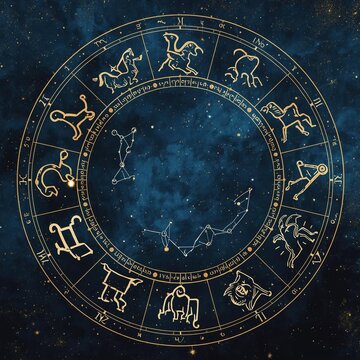
Makar Sankranti, also known as Uttarayana or simply Sankranti or Makara, is the vibrant festival celebrated by Hindus throughout India and Nepal. Observed to mark the Sun's transition into Capricorn, or Makar Rashi, it symbolises new beginnings, new hope, and plenty.
Falling in the mid-winter harvest season, Makar Sankranti also marks the gradual end of winter and the beginning of a new agricultural cycle. From its ancient origins to customs and timings, here is everything you want to know about Makar Sankranti 2026.
Makar Sankranti 2026 date: January 14 or January 15?
Makar Sankranti will fall on Wednesday, January 14, according to Drik Panchang. The festival coincides with the transition of the Sun into Capricorn, a planetary movement that decides the date every year.
The panchang mentions that on the day of the festival, the Sun will rise at 06:46 AM.
Makar Sankranti 2026 shubh muhurat and auspicious timings
A number of propitious muhurats are seen on Makar Sankranti for prayers and other spiritual practices. The Brahma muhurat, considered best for meditation and early morning rituals, falls between 05:05 AM and 05:55 AM on January 14, 2026. The Vijaya muhurat, considered auspicious for vital religious functions, will be observed from 02:23 PM to 03:09 PM.
ALSO READ | Japan’s hydrogen water trend reaches India: Benefits, risks and price explained
History and significance of Makar Sankranti
This festival is derived from ancient days when people used to track the movement of the Sun very carefully. “Sankranti” marks the entry of the Sun into a new sign of the zodiac calendar. “Makara” is the pointer to Capricorn. This festival is the marking of the Sun’s entry into the northern path of Uttarayan.
It holds deep religious significance, with plenty related to harvest and positivity. It is looked upon as an opportunity for worship, meditation, and good deeds. There are several sayings associated with Makar Sakranti, such as that of Bhishma Pitamah waiting for Uttarayan to attain moksh.
Makar Sankranti 2026 rituals and regional celebrations
Traditionally, the day begins with a ritual bath early in the morning, followed by worship by offering a mixture of water and red flowers, as well as rice, to the Sun God. The tradition holds generosity paramount, as people distribute new grain, blankets, utensils, sesame seeds, and ghee.
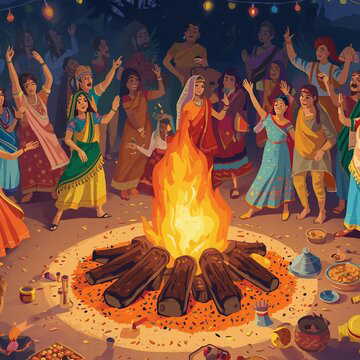
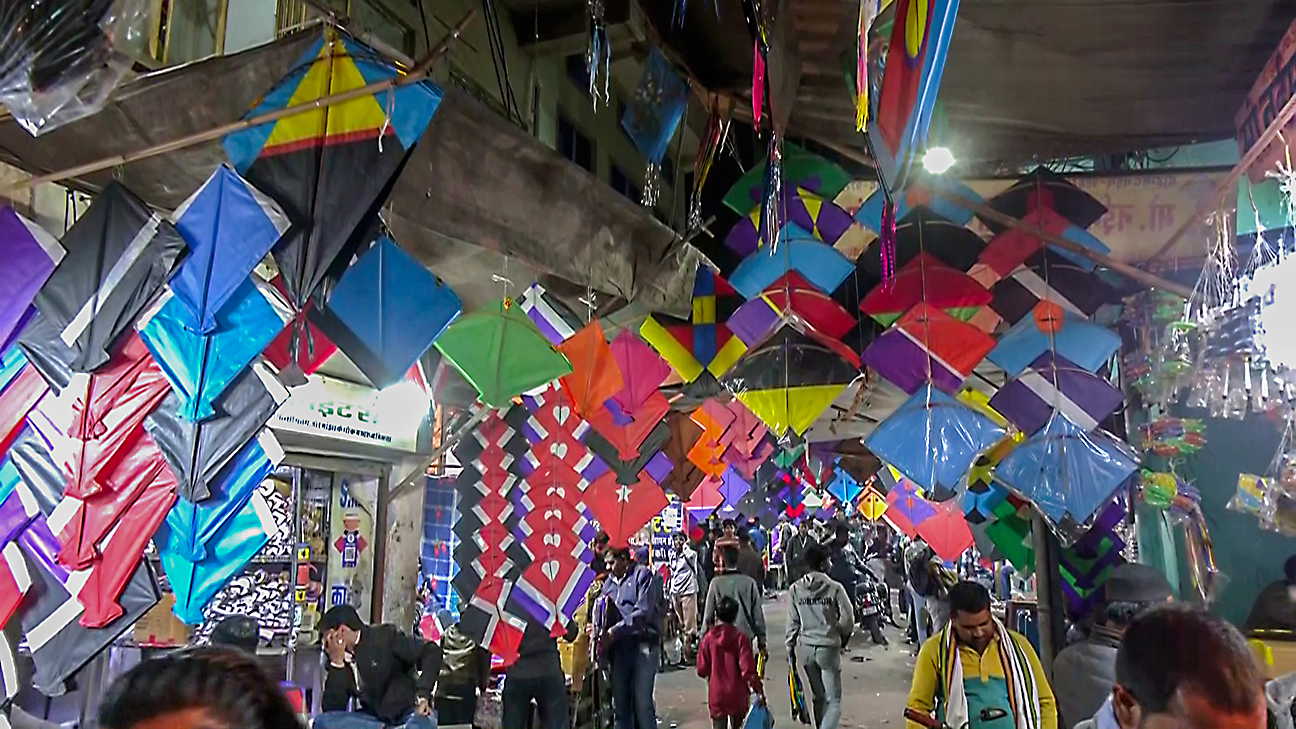
Celebrations are extremely diverse across regions: Lohri is celebrated in North India, the southern states celebrate Pongal as the harvest festival, while Gujarat and Rajasthan are the ones famous for their kite-flying ways; many people throng the eastern parts during Ganga Sagar Mela.