For many women, periods bring intense discomfort. Some are unable to get out of bed on the first day, while others continue to suffer severe lower abdominal pain on the second day as well. Diarrhoea, bloating, back and leg pain, and extreme fatigue often accompany menstrual cramps. Unable to bear the pain, many turn to painkillers. However, it is possible to reduce these problems without medication.
Anaesthesiologist and interventional pain medicine physician Dr Kunal Sood has shared five effective home remedies on Instagram that help manage physical discomfort during menstruation.
Also Read | Do you suffer from a sore throat all winter? THESE snack-time foods might be the reason
Heat therapy
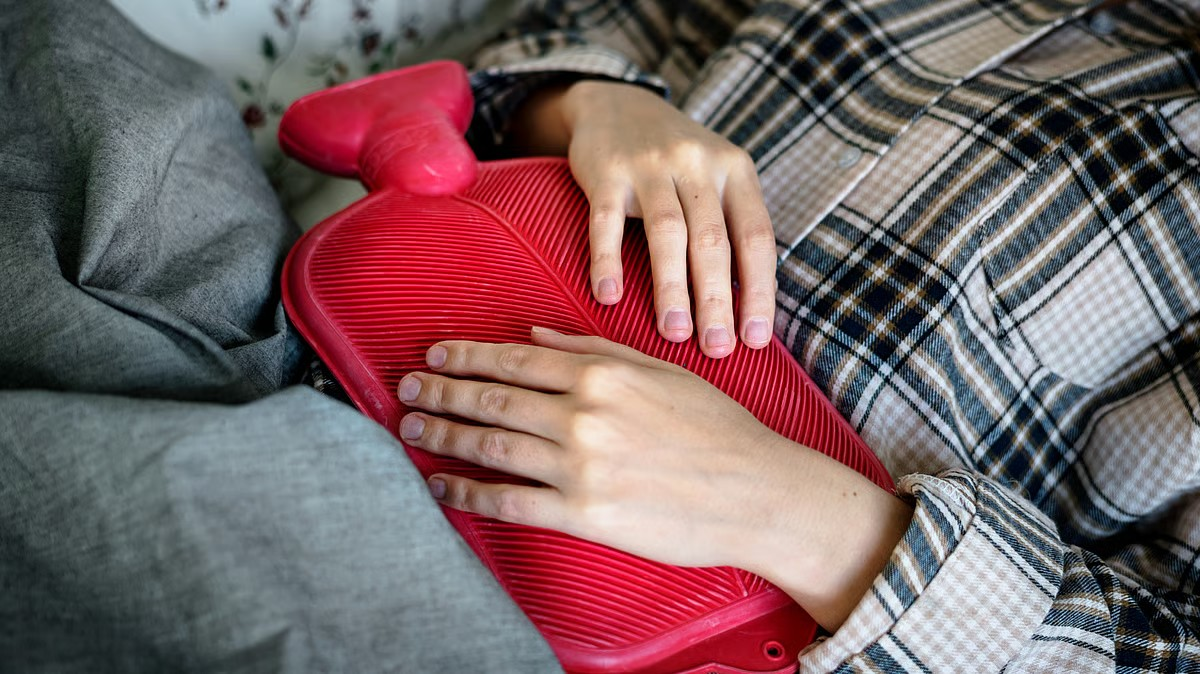
This age-old remedy continues to be effective. Using a heating pad or hot water bag during periods can provide relief from cramps. Heat therapy improves blood circulation and helps relax the uterine muscles, easing pain.
Herbal remedies
Ingredients such as ginger, chamomile and fennel help reduce inflammation. Drinking tea made with these herbs can bring noticeable relief. These ingredients have anti-inflammatory properties that help control menstrual discomfort. Ginger tea, in particular, is highly beneficial during this time.
Magnesium and vitamin B1
Supplements of magnesium and vitamin B1 can also help reduce period cramps. Magnesium helps control uterine muscle contractions and reduces prostaglandin production. Vitamin B1 supports the nervous system and helps relieve pain and discomfort.
Also Read | Constantly anxious? You could be suffering from generalized anxiety disorderOmega-3 fatty acids
Omega-3 fatty acids are found in foods such as fish, walnuts, chia seeds and flax seeds. They help reduce inflammation and also stabilise mood swings. Including these foods during periods can ease cramps and improve overall well-being.
Light exercise
Periods are not a reason to remain completely inactive. Light physical activity is important during menstruation. Gentle exercises such as walking or yoga can help reduce cramps, back pain, leg pain and fatigue. Regular movement also improves blood circulation and prevents stiffness.