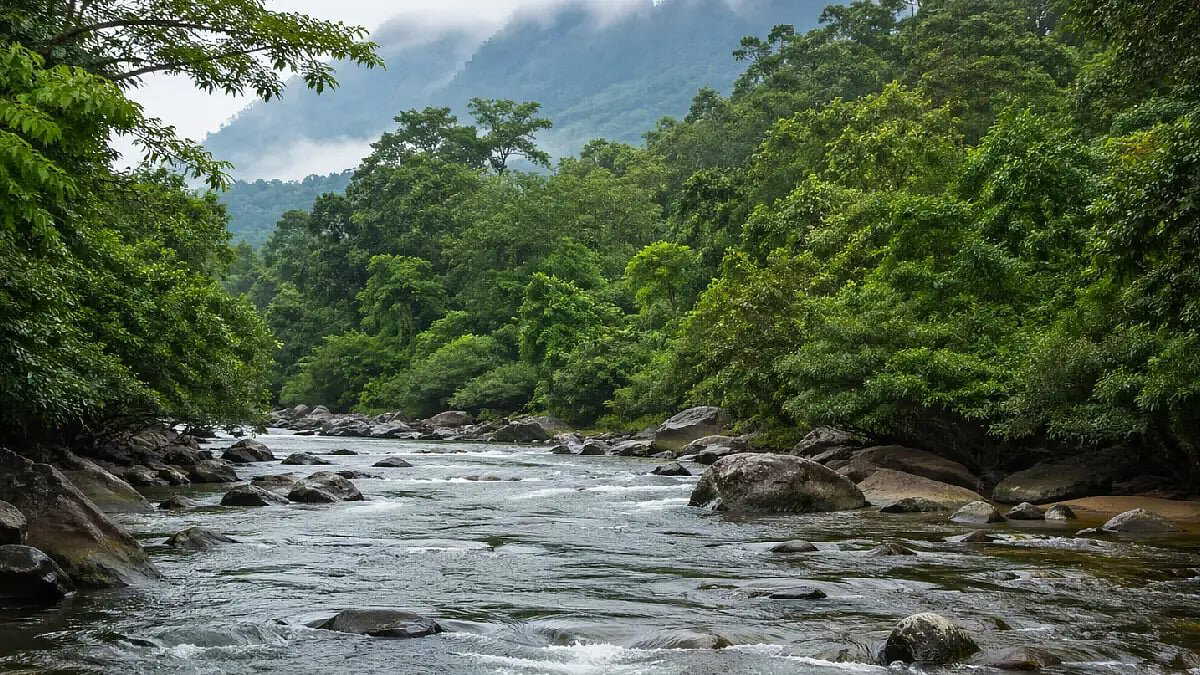
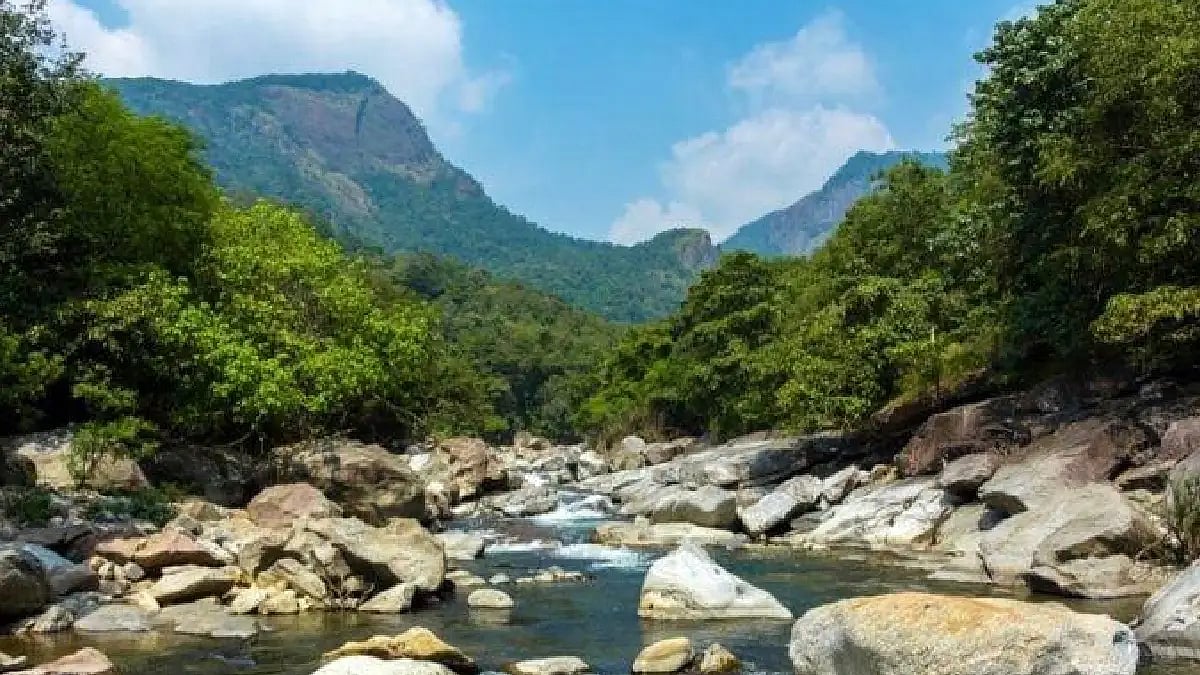
 The river's name is Kunthipuzha
A silent river flows through the heart of India. This river makes no sound. It flows along in its own contemplation. This is such a river that has no human clamor along its banks, no traces of pollution. The river's name is Kunthipuzha.
 Where is this 'silent river' located?
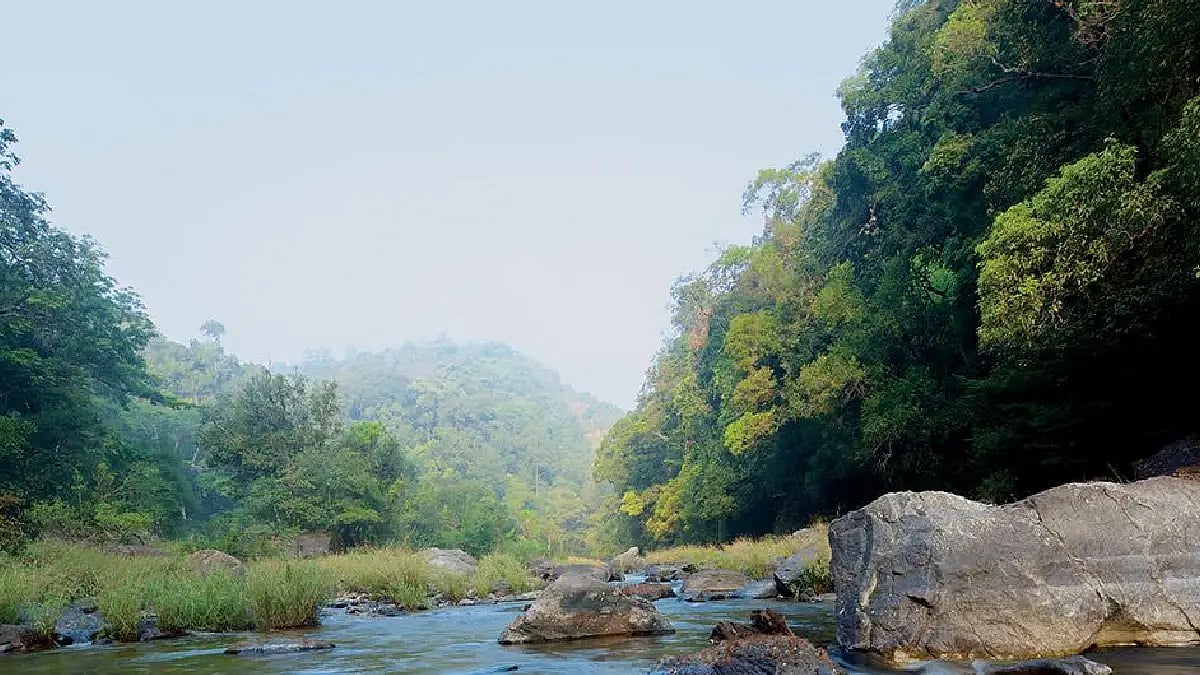
Where is this 'silent river' located?
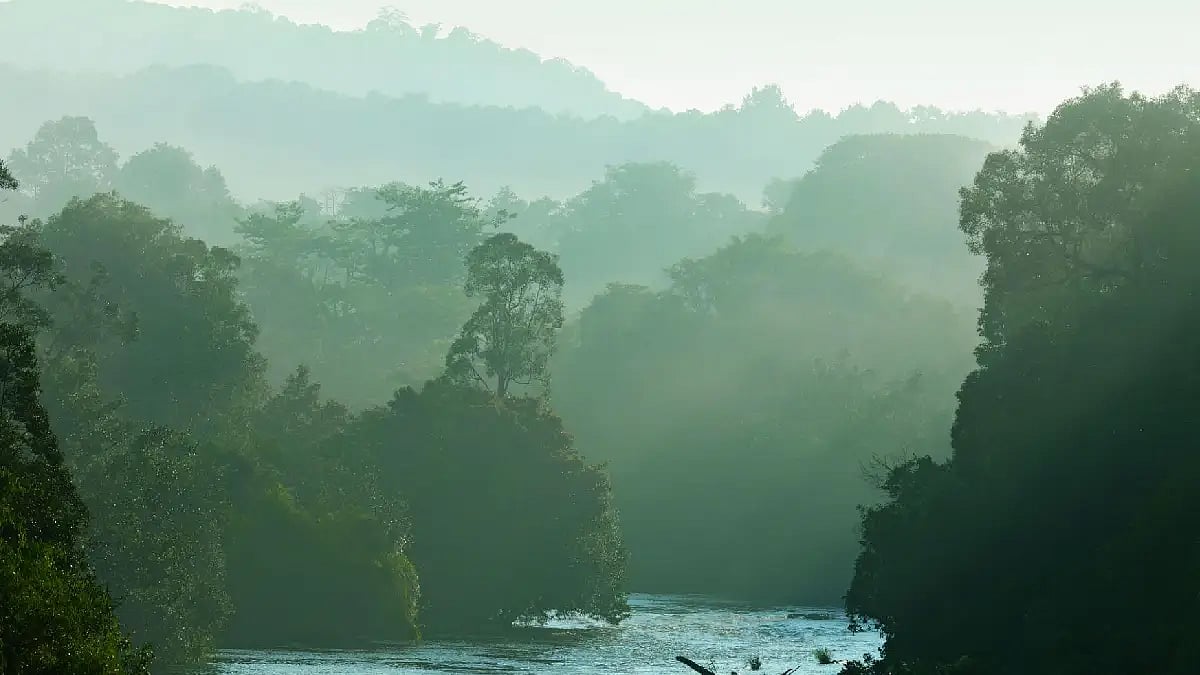
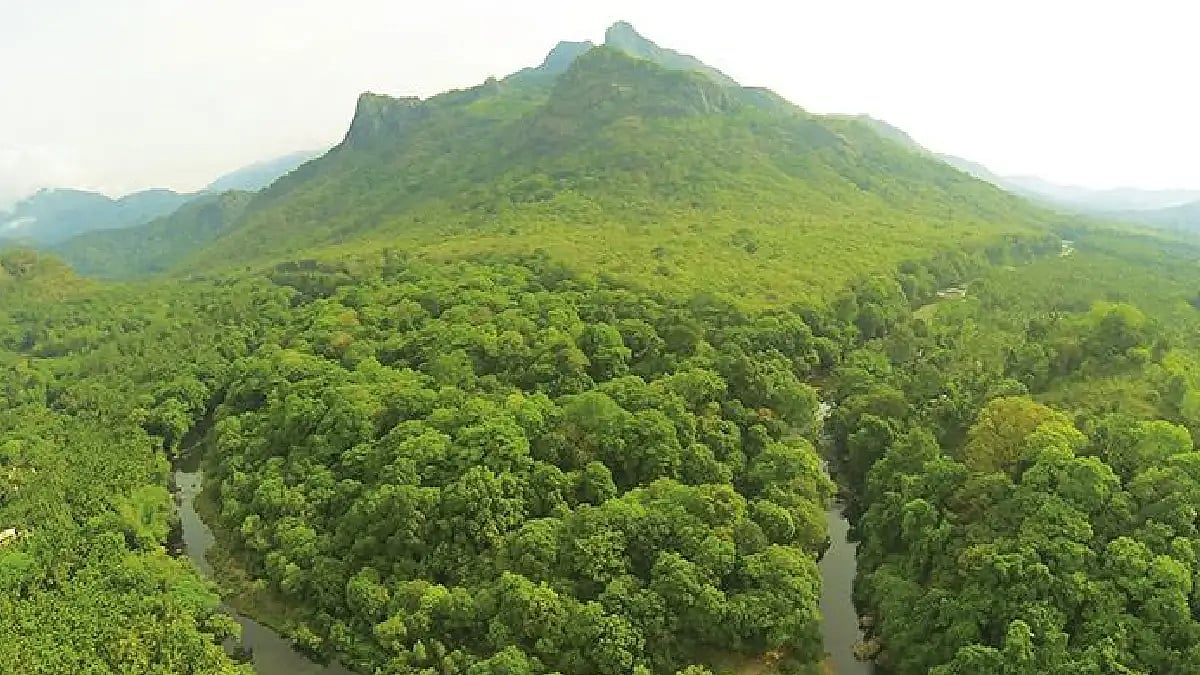
The Kunthipuzha river is located in Kerala, South India. It flows through the dense forests of Silent Valley National Park, which is an important part of the Western Ghats mountain range. It later merges with the Bharathapuzha river.
 'Silent River'
Why is it called the 'silent river'?
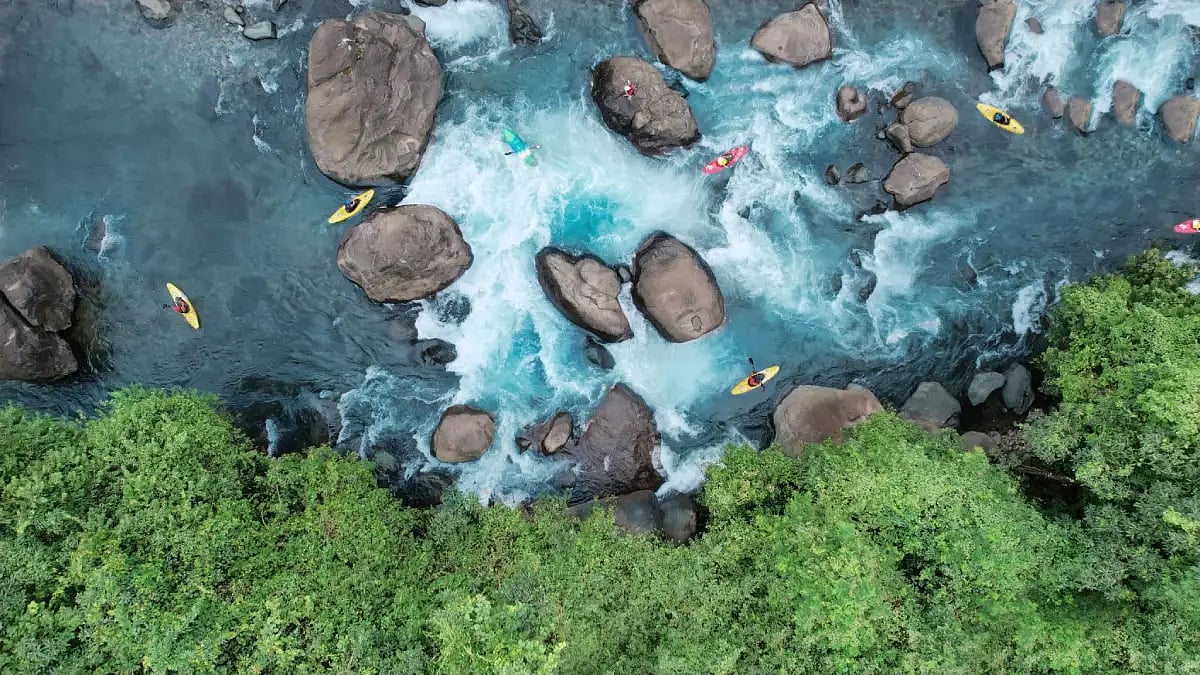
The identity lies hidden within this river's name itself. It flows through such a region where human presence is virtually non-existent. There are no cities, no factories. As a result, only bird calls, forest sounds, and the gentle murmur of water can be heard here—it is this tranquility that earns it the name 'Silent River'.
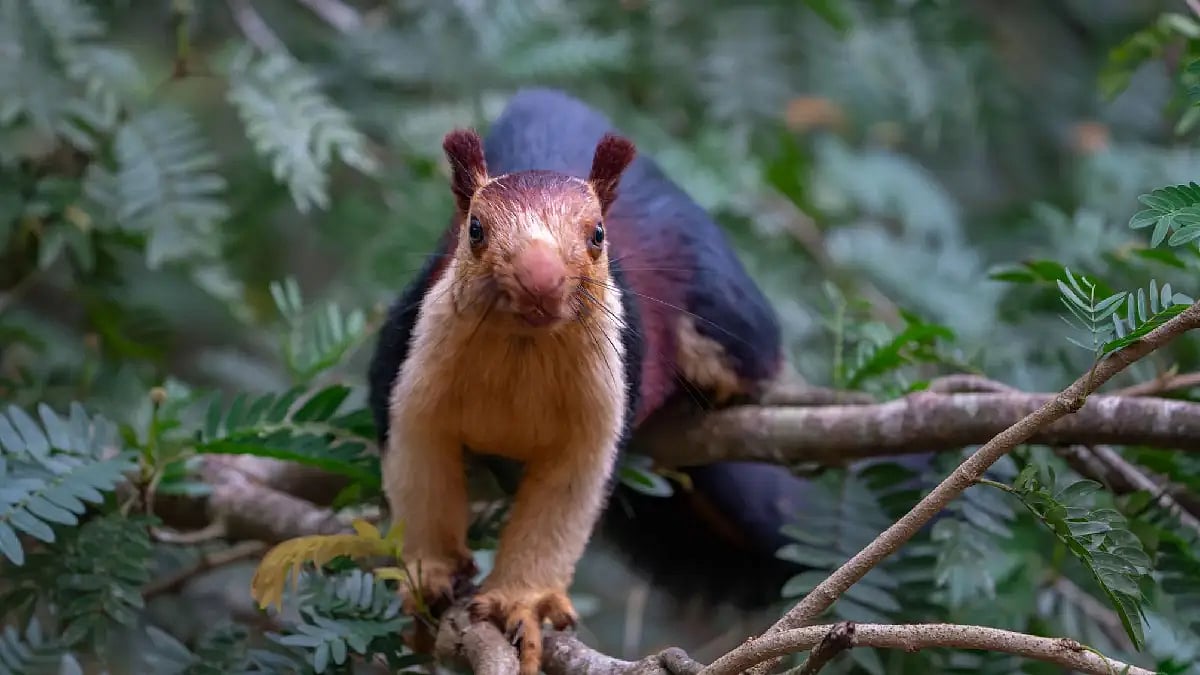 Malabar Giant Squirrel
A unique treasure trove of nature
Silent Valley National Park is one of India's last remaining tropical rainforests. This region is home to many rare animals, such as Lion-tailed Macaque, Nilgiri Langur and Malabar Giant Squirrel. The Kunthipuzha river is the fundamental foundation that keeps this entire ecosystem alive.
 Once faced danger
Once faced danger
At one time, there were plans to build a hydroelectric project around this region. But due to environmentalists' movements, that project was stopped. Finally, in 1984, it was declared a national park—which was a major success in India's environmental protection history.
 A rare example of pollution-free environment
A rare example of pollution-free environment
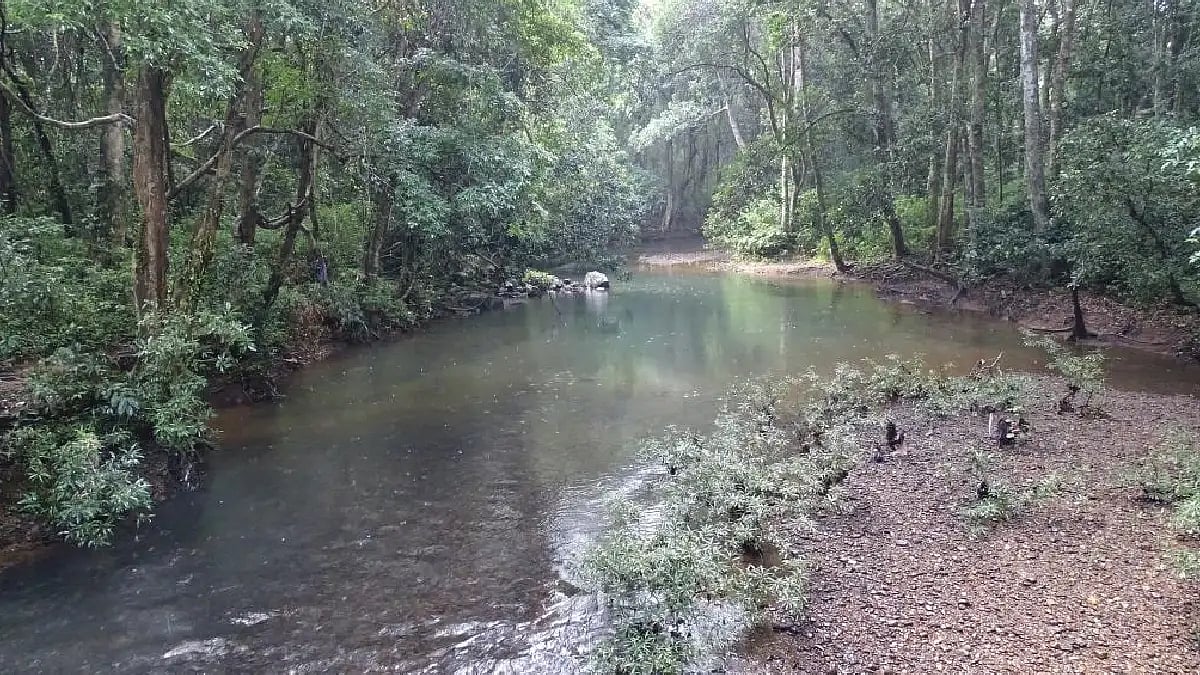
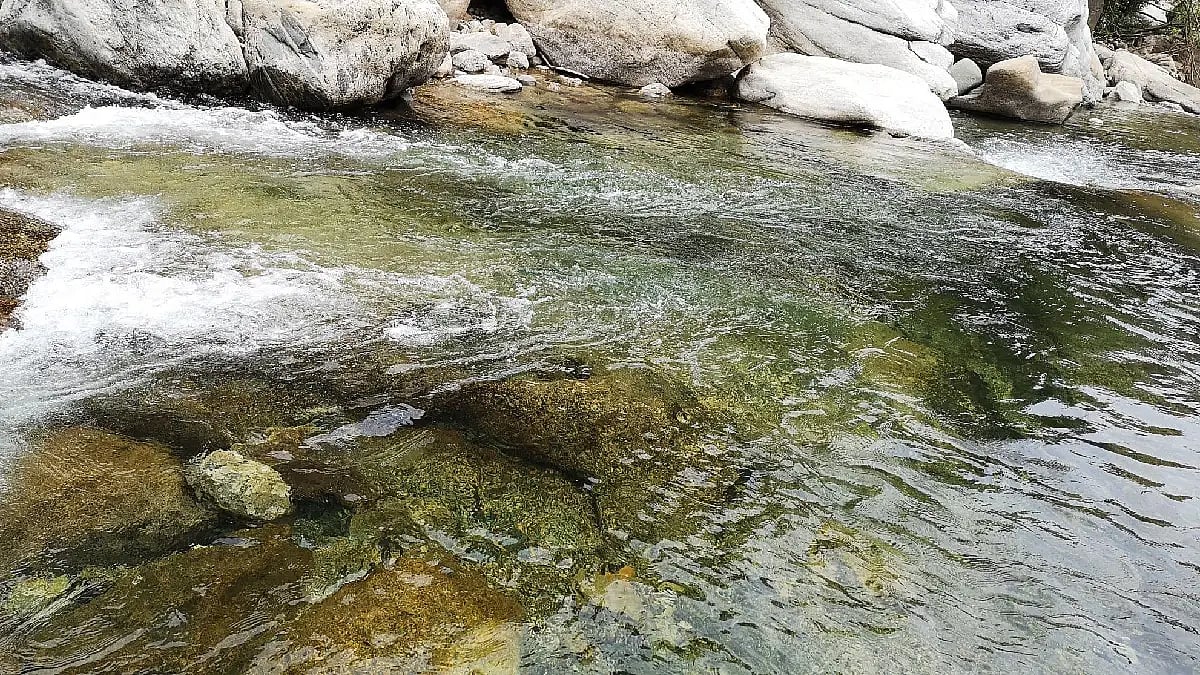
While many of India's rivers are plagued by pollution, Kunthipuzha remains almost completely pollution-free even today. Its water is clear, environment intact, human interference extremely minimal—which is a rare example in present times.
 Lifeline of biodiversity
Lifeline of biodiversity
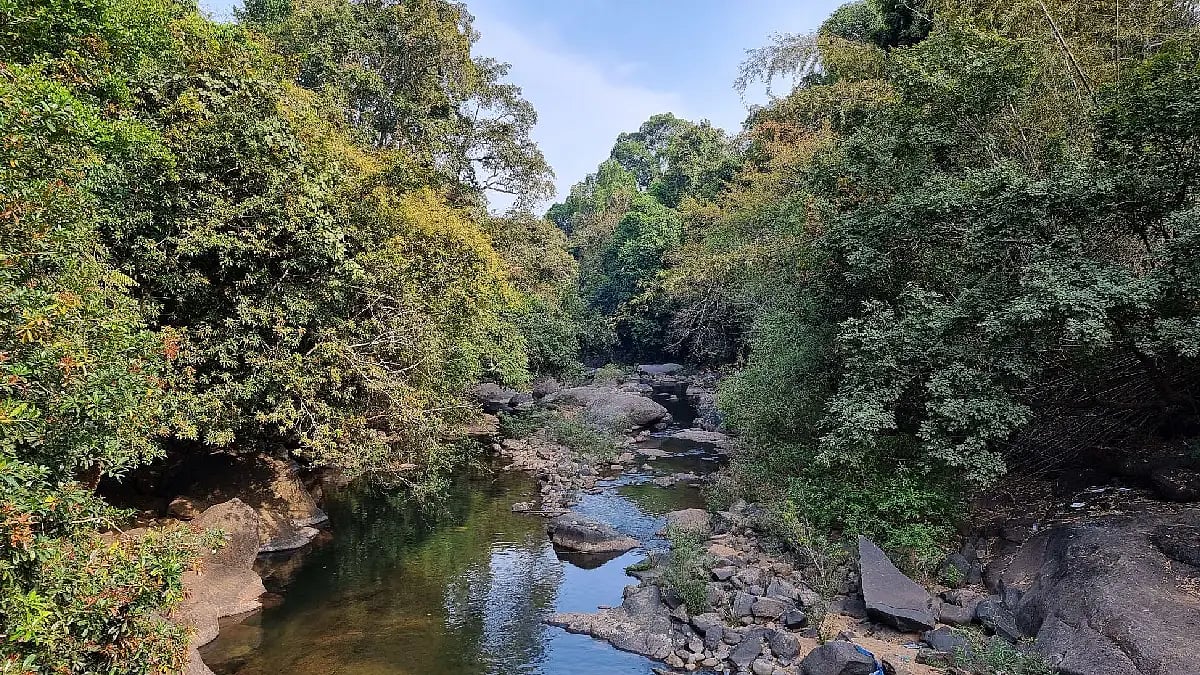
This river is not just a waterway, it is the lifeline of many fish, birds, amphibians and plants. The entire forest's food chain and ecological balance depends on this river.
 Why is its importance greater today?
Why is its importance greater today?
Today, when nature is being damaged due to urbanization and pollution, the Kunthipuzha river has retained its form. Due to the absence of human interference, this river still flows silently in its own contemplation.
 Protest against pollution
In other words, this silence of the Kunthipuzha river is indeed a form of protest. Against whom? Against the clamor of modernity, against pollution, against excessive human interference.