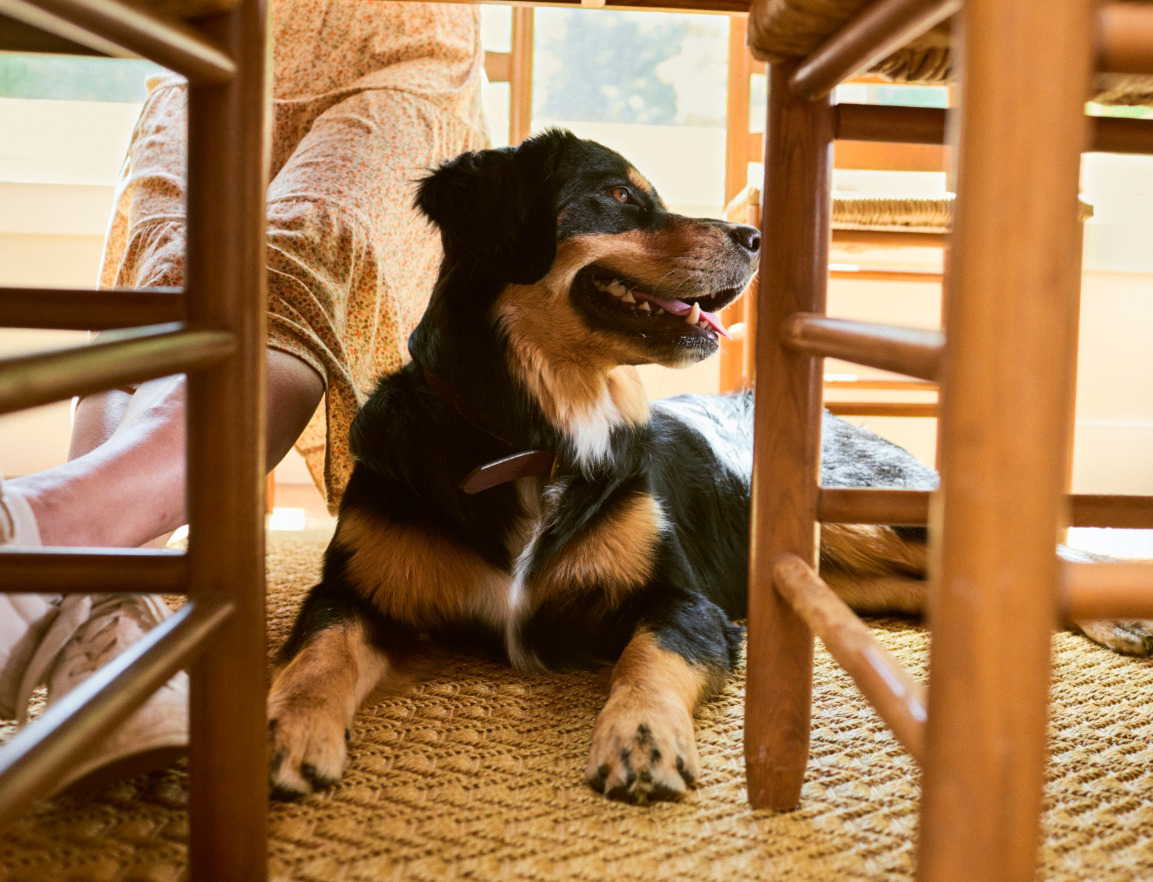
A pet at home may feel like a family decision, but in India it often carries civic and legal obligations as well. Dogs and cats are increasingly common in apartments, parks, lifts, and cafés, making responsible ownership a public as well as private matter.
In some cities, municipal rules require pet registration, while owners are also expected to follow basic safety and hygiene norms outside the home.
Registration and rabies shots mandatory in some cities
One of the clearest examples comes from New Delhi. The New Delhi Municipal Council’s by-laws say dogs over three months old must be registered and vaccinated against rabies.
The rules also require owners to obtain a registration certificate and a metal token, which must be attached to the collar. The certificate includes facts such as the owner’s name and address, the dog’s identification, and the next due date for rabies vaccine.
Also Read | Char Dham yatra 2026: key dates, routes, and registration details
Leash rules, lift access and shared space norms
The Animal Welfare Board of India has also handed out practical recommendations for pet owners in public locations.
Its guidelines say pets should be leashed in parks, with a leash no longer than six feet, and owners should bring scoops and clean up after their dogs.
The board has also said that resident welfare associations and apartment owners' associations cannot legally impose a blanket ban on pet dogs, including their use of lifts, though societies can insist on hygiene, safety, and responsible behaviour in common areas.
Also Read | Struggling with stress? Expert says meditation is the real solution
Cruelty law puts focus on welfare and abandonment
The broader legal framework is founded in the Prevention of Cruelty to Animals Act, 1960, which stipulates that anyone in charge of animals must take reasonable precautions to ensure their well-being and prevent undue pain or suffering.
The law also defines a “street” broadly as any public road or open space. Against that backdrop, abandonment is increasingly viewed not as a private inconvenience but as a welfare issue. The Newsday report said leaving a pet behind when a family moves or no longer wants the animal can fall under cruelty-related concerns.