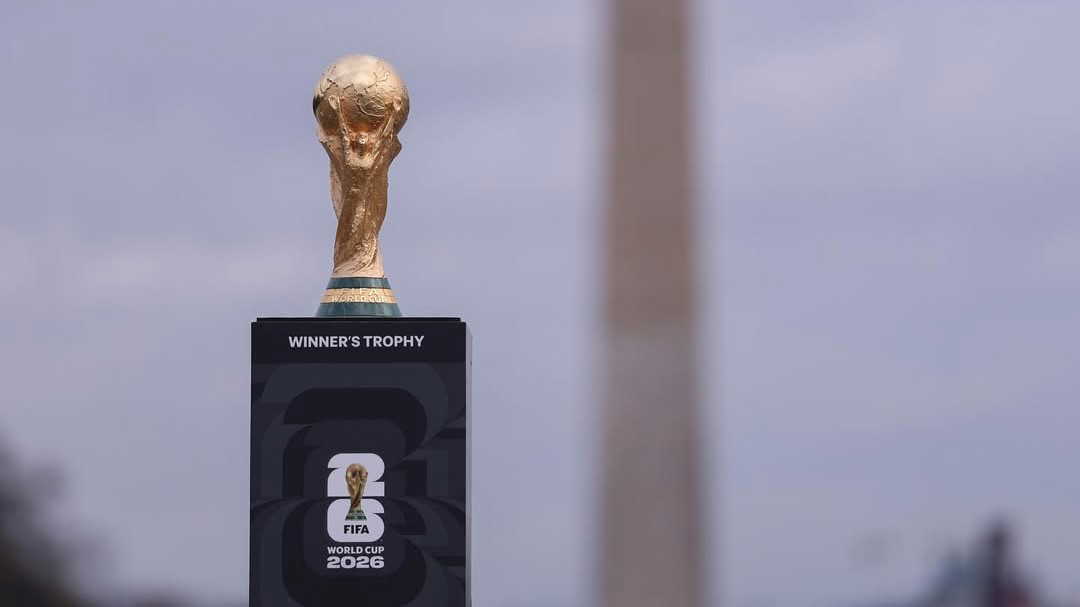
The FIFA World Cup 2026 will be the first edition to feature 48 teams, significantly expanding the tournament structure and introducing a revised group-stage format.
While the change is aimed at increasing global participation, it has also raised questions about whether all matches will maintain competitive intensity until the final group games.
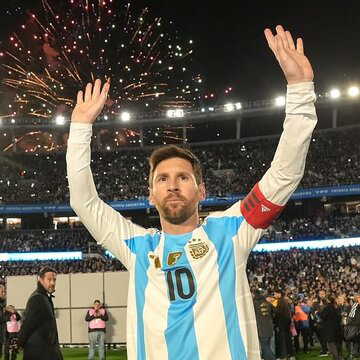
Also Read | Lionel Messi headlines Argentina’s provisional World Cup squad for 2026 tournament, Here is the full list
Expanded format and new structure
The tournament will now feature 12 groups of four teams each, with the top two teams from every group and the eight best third-placed sides advancing to the Round of 32. This shift increases the total number of matches and creates more qualification pathways compared to the earlier 32-team format.
Under this system, teams will still play three group matches, but the qualification landscape becomes broader due to third-placed progression rules. This has led analysts and observers to closely study how early results might shape the later stages of group competition.
Concerns over “dead rubber” matches
One of the main concerns raised about the new structure is the possibility of “dead rubber” matches—games where one or both teams have already secured qualification or elimination before the final group fixture. In such scenarios, the competitive stakes of remaining matches may be reduced.
Analyses of the format suggest that the inclusion of third-placed qualifiers can create situations where teams enter the final round with their fate already decided, potentially lowering intensity in those fixtures.
Some assessments also highlight that matches could become less meaningful if both teams are already assured of progression, leading to scenarios where results have little impact on standings or knockout qualification.
Impact on competitiveness and match intensity
The structure still preserves a standard group format where each team plays three matches, which helps maintain continuity in early-stage competition. However, with multiple qualification routes available, group dynamics may vary significantly depending on early results.
It is EXACTLY ONE MONTH to the 2026 FIFA World Cup Ë’º¯Â
” TELBET (@TelbetPromos) May 11, 2026
48 teams. Who are you rooting for to win the twenty-third WC title? Â pic.twitter.com/dlZGotzyF5
While the format is designed to reduce early elimination and keep more teams involved longer in the tournament, it also introduces situations where final group games may not carry equal importance across all groups.
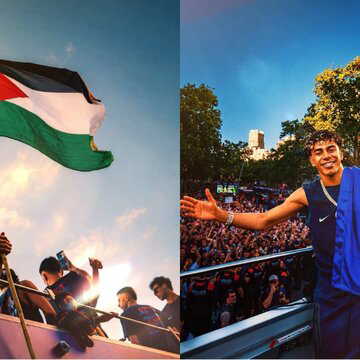
Also Read | Barcelona wonderkid Lamine Yamal waves Palestine flag during La Liga title parade
Balancing excitement and structure
Supporters of the new format point to increased participation and more matches as positives, but the debate continues around whether these additions come at the cost of consistent competitiveness throughout the group stage.
As the 2026 edition approaches, attention remains focused on how these structural changes will play out in practice and whether the balance between excitement and competitive integrity will hold across all fixtures.