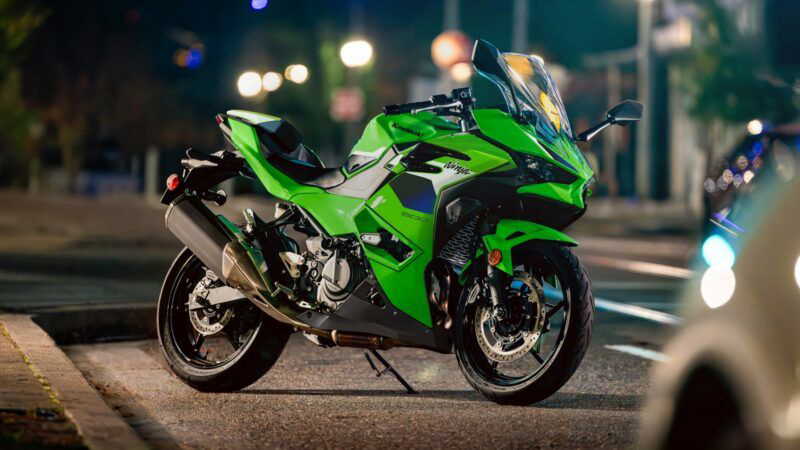
Kawasaki has officially launched the 2026 Ninja 500 in India, putting an end to recent speculation about the motorcycle's future in the country. Priced at Rs 5.76 lakh, ex-showroom, the updated sportbike now complies with E20 fuel regulations while also receiving Kawasaki's signature Lime Green paint scheme.
The changes may appear modest on paper, but they are significant in the context of India's evolving automotive regulations. As manufacturers adapt to ethanol-blended fuel norms, Kawasaki has chosen to update rather than withdraw one of its key middleweight offerings.
The result is a familiar package that remains targeted at enthusiasts looking for a refined twin-cylinder sportbike that balances everyday usability with spirited performance.
E20 compatibility becomes the biggest update
The headline change for 2026 is the motorcycle's ability to run on E20 fuel, which contains up to 20 per cent ethanol blended with petrol.
NDTV noted that the move aligns the Ninja 500 with the government's ongoing push towards cleaner and more sustainable fuels. More manufacturers have begun updating their line-ups to meet these standards, making E20 compatibility an increasingly important feature for prospective buyers.
Alongside the fuel update, Kawasaki has reintroduced its iconic Lime Green colour scheme, a shade that has long been synonymous with the Ninja brand worldwide.
Beyond these additions, the motorcycle retains the same aggressive styling that helped establish its identity. Sharp fairings, twin LED headlamps and a muscular fuel tank continue to give it a purposeful supersport appearance.
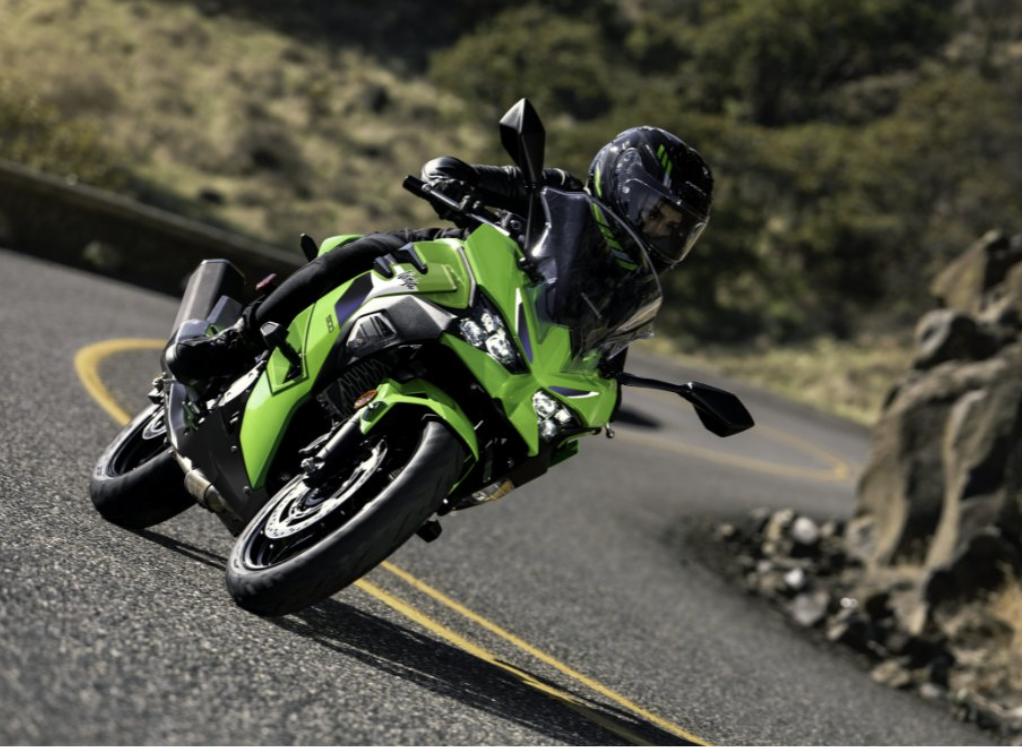 The motor produces around 45 horsepower and 42.6 Nm of torque and comes paired with a six-speed gearbox. (X/@odmag)
 Same engine continues to deliver balanced performance
Under the bodywork, Kawasaki has retained the familiar 451cc liquid-cooled parallel-twin engine.
The motor produces around 45 horsepower and 42.6 Nm of torque and comes paired with a six-speed gearbox. An assist and slipper clutch continues to be offered as standard equipment.
The engine remains one of the motorcycle's strongest selling points. Unlike more aggressive supersport machines, the Ninja 500 focuses on smoothness and accessibility without compromising performance.
NDTV noted that its predictable power delivery makes it suitable for both beginners stepping into the twin-cylinder segment and experienced riders seeking a comfortable daily machine with enough performance for weekend rides.
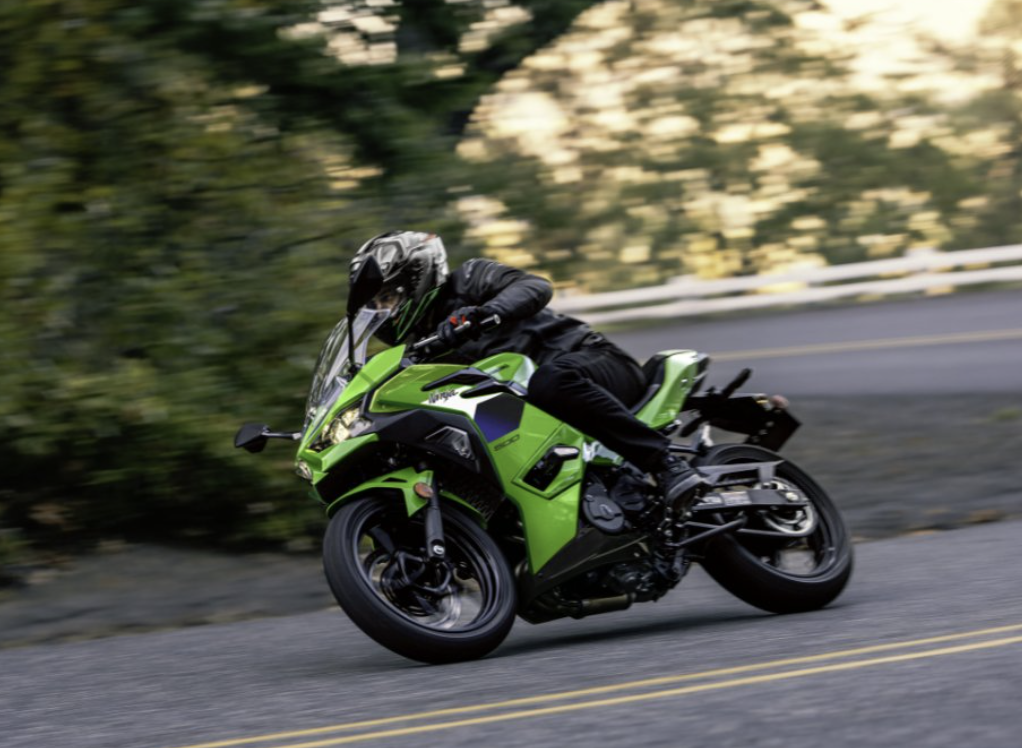 The Ninja 500 continues to compete against motorcycles such as the Aprilia RS 457. (X/@odmag)
 Features remain unchanged as competition intensifies
The equipment list remains identical to the outgoing version.
Buyers will continue to get a digital LCD instrument console with smartphone connectivity through Kawasaki's Rideology application. LED lighting, dual-channel ABS and a USB charging port are also part of the package.
Suspension duties are handled by telescopic front forks and a rear monoshock setup, while braking is managed by disc brakes at both ends.
At Rs 5.76 lakh, the motorcycle is now Rs 10,000 more expensive than before. Its premium pricing is partly due to its Completely Built Unit import status.
The Ninja 500 continues to compete against motorcycles such as the Aprilia RS 457. While rivals may offer stronger value propositions on paper, Kawasaki is banking on its proven twin-cylinder refinement, everyday practicality and the enduring appeal of the Ninja badge to keep buyers interested.
In a segment that is becoming increasingly crowded, Kawasaki appears determined to retain its place rather than walk away from the competition.