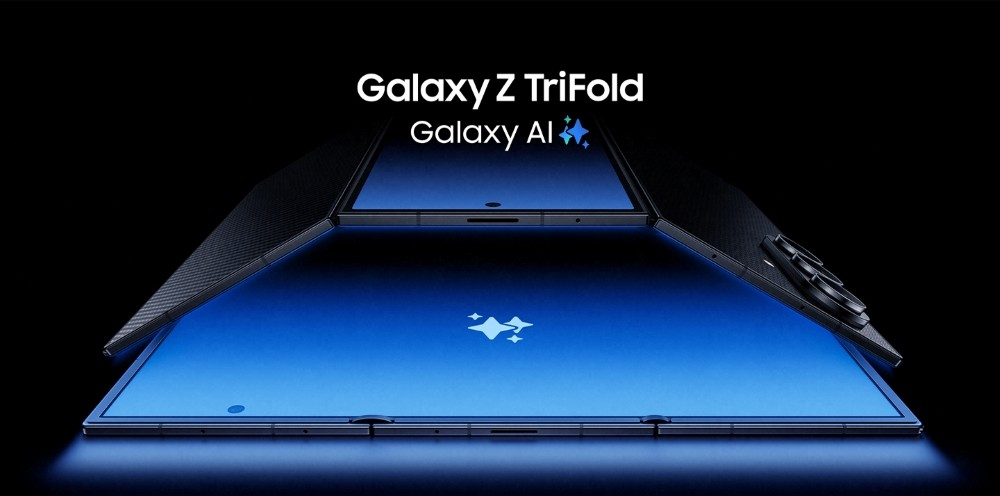
Samsung took a daring step into the future with the debut of the Galaxy Z TriFold. It is a device that doesn’t just open once, but twice. The phone comes with a stunning three-panel design, a premium build, and a price tag that brings flagship extravagance. The TriFold comes with something less like a mainstream phone and more like a declaration of what the next decade of mobile technology might look like. The launch timing is deliberate, too. The launch is taking place months ahead of Apple’s long-rumoured foldable iPhone. Samsung is positioning itself as the brand that not only dreams bigger but also comes sooner.
Also Read | Ray-Ban Meta Gen 2 smart glasses launched in india: Here's what every vlogger should know
A new shape for the smartphone
The Galaxy Z TriFold stands out because it brings what a phone can physically be. Folded up, it corresponds to a chunky but polished smartphone. If we unfold the first hinge, a mini tablet forms out of it. Unfolding the second hinge, a full, expansive display opens up, which is spacious enough for multitasking, sketching, gaming, or converting the device into a portable workstation.
The engineering ambition is unmistakable. Both hinges are working in sync. It comes with a screen that bends across three sections, and hardware strong enough to treat this as a genuine productivity device rather than a novelty. Samsung hasn’t simply made a bigger foldable; rather, it has attempted to incorporate the portability of a phone with the canvas of a tablet. Samsung did all this while keeping the transitions smooth and the design premium.
The phone has a powerhouse processor, generous RAM, a large battery suited for an equally large display, and camera hardware built to satisfy high-end users. It is the kind of device that will allow us to handle intense workloads. The phone is priced at around $2,450.
Also Read | 10 laptops to consider under ₹50,000 that punch above their price tag
Samsung moves first: But who will follow?
Samsung is clearly aiming to shape the conversation before Apple arrives with its own foldable vision. It gives a sign of boldness, confidence, and an eagerness to specify the category itself rather than react to it. The device also lives in a niche that is expensive, practical, and meant for users who love being early adopters. The mass market may respect it more than buy it.
The device is experimental, ambitious, slightly impractical, but undeniably exciting, which plants Samsung firmly ahead in the foldable race.