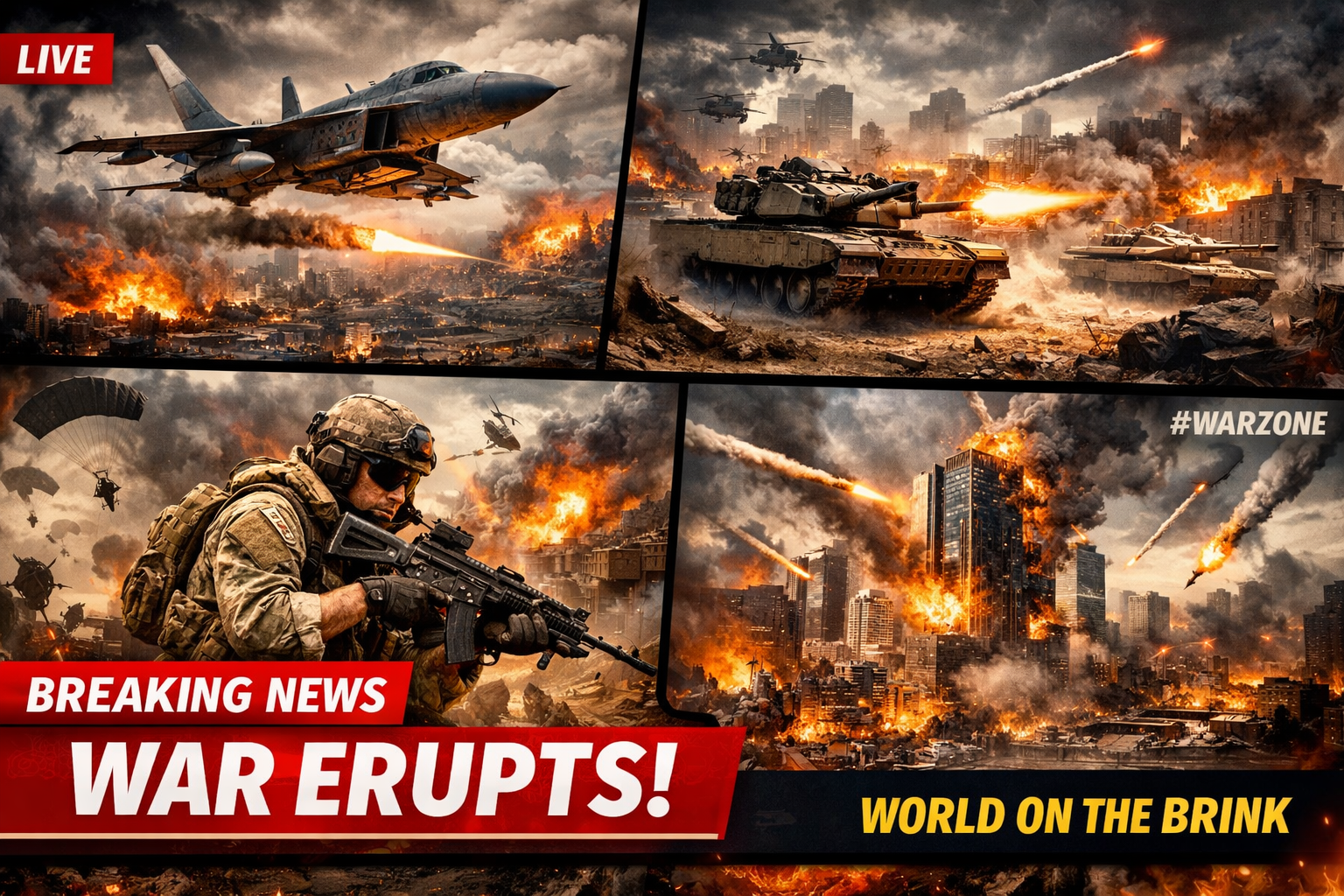
As geopolitical tensions flare across different parts of the world, misleading videos claiming to show real-time combat are once again flooding social media platforms. Fact-checkers and digital investigators say a significant number of these clips are not battlefield recordings but gameplay footage from hyper-realistic military video games.
Titles such as Arma 3, Battlefield 3, and Digital Combat Simulator World have repeatedly been cited in viral misinformation posts during major international crises.
Battlefield 3 and cinematic war realism
Released in 2011 by Electronic Arts, Battlefield 3 is known for its cinematic campaign mode, urban combat settings and realistic military hardware. Its detailed explosion effects, fighter jet sequences and ground combat mechanics have made it a recurring source of misrepresented footage online.
Clips showing jet dogfights, missile strikes and city bombardments from Battlefield 3 have previously been shared during real-world conflicts, falsely claiming to depict ongoing military operations. Because the game features authentic weapon models and immersive sound design, short, context-free clips can appear convincing to unsuspecting viewers.
The older titles like Battlefield 3 continue to resurface in misinformation cycles because high-resolution gameplay recordings remain widely available across video platforms.
Arma 3 and simulation-style warfare
Among all titles, Arma 3 remains the most frequently misused. The game’s open-world military simulation design allows players to recreate large-scale combat scenarios that closely resemble real war zones.
Developers have publicly acknowledged the misuse of Arma 3 footage, urging viewers to verify sources before sharing dramatic combat clips online. Similarly, Digital Combat Simulator World, known for its realistic fighter jet simulations, has been used to fabricate airstrike footage during periods of military escalation.
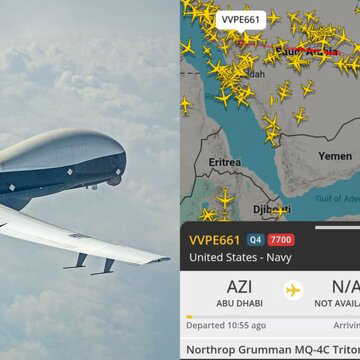
Also Read | What is the Northrop Grumman MQ-4C Triton used for? Details on the UAV after its surfaces above Saudi Arabia
Why is an official account of @GovtofPakistan sharing an Arma 3 Simulation video. pic.twitter.com/OdUKvusvWI
— Mohammed Zubair (@zoo_bear) May 9, 2025
How misinformation spreads
Mohammad Zubair had pointed out that the misuse of video game footage intensifies during high-tension events, when audiences are actively searching for updates. Edited clips often remove gaming interfaces and add dramatic captions or background commentary to make them appear authentic.
The rapid sharing culture of platforms like X, Instagram and TikTok further amplifies such content before verification can occur. Fact-checkers advise viewers to look for signs such as unnatural camera movements, overly cinematic angles, repeated explosion patterns or absence of verified news attribution.
Also Read | Using GBWhatsApp or sending spam? Here’s why your WhatsApp account may be banned
突发新闻🚨🚨 几分钟前……
— 凤凰九天3Quantum Phoenix 999 Z (@twittacc838) February 27, 2026
战争爆发了……🇺🇸🇺🇸🇮🇷🇮🇱
美国动用其强大的F-15战斗机发动了现代史上规模最大的空袭,震惊了所有国家。
战斗机以约1500公里/小时的速度,对伊朗前沿阵地发动了快速而猛烈的攻击。
伊朗遭到了现代战争中最危险的导弹之一的轰炸。 pic.twitter.com/0pQssPtQIF
As modern video games become increasingly lifelike, distinguishing between digital simulation and real-world conflict is becoming more difficult for casual viewers. Experts warn that the deliberate use of gameplay footage from titles like Battlefield 3 and Arma 3 to depict real warfare not only spreads misinformation but also fuels unnecessary panic during already volatile situations.