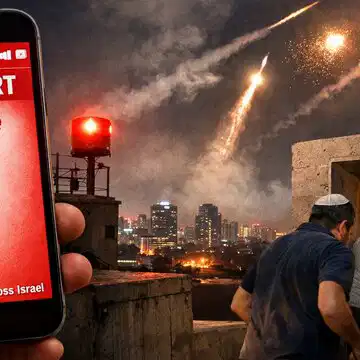
The Middle East has been thrust into a heightened state of conflict after coordinated United States Department of Defence and Israel Defence Forces operations targeted multiple Iranian military sites on February 28, 2026. Iran responded with widespread missile and drone counter-strikes across the Gulf, triggering explosions in several capitals, prompting evacuations and widespread defensive actions. The unfolding events represent one of the most serious escalations in the region in years.
Gulf capitals rocked by explosions and alerts
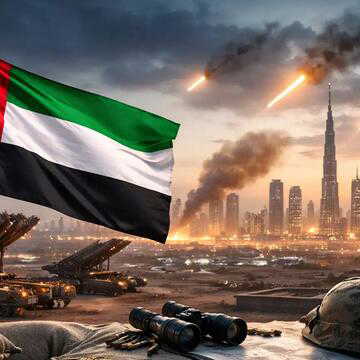
Residents in Dubai, Abu Dhabi, Doha and Riyadh reported loud explosions and air-raid sirens as Iranian forces reportedly struck multiple targets. In the UAE, authorities confirmed that their air defence systems intercepted waves of incoming missiles, describing the attacks as a “dangerous escalation” while affirming measures to protect civilian security.
In Dubai, the city’s Burj Khalifa, the world’s tallest building, was evacuated as a precaution after explosions and missile alerts were reported across the city. While officials have not confirmed any direct hit on the landmark, interceptor debris and heightened missile activity triggered emergency protocols and evacuations in key civilian zones.
At least one civilian death was reported in Abu Dhabi after falling debris struck a residential area, according to the UAE Ministry of Defence.
Conflict spreads beyond Iran
The violence follows a large-scale joint operation by the United States and Israel, which involved advanced weapons such as cruise missiles, stealth aircraft, precision-guided munitions and drones to hit Iranian military and nuclear-linked targets under operations named “Roaring Lion” and “Epic Fury". Iranian ballistic missiles and drones were then launched toward Israel and other strategic locations.
As part of the chain reaction, explosions and air defence engagements were also reported in Bahrain — including near installations linked to the United States Navy Fifth Fleet, and in Kuwait, which closed its airspace amid the threat.
Also Read | UAE urges residents to stay indoors as missiles are intercepted; India voices concern over escalation
Warnings and airspace closures
In response to the escalation, multiple Gulf countries, including Israel, Qatar, Kuwait, Bahrain and Iran, shut their airspace as a safety precaution. Major global carriers also diverted flights and cancelled services to and from the region, contributing to significant travel disruptions.
Amid the alerts, several nations have advised their citizens in the Gulf to take shelter or remain indoors, reflecting international concern over the conflict’s rapid escalation.
Also Read | 'France not involved': President Emmanuel Macron drops big statement amid escalating Israel-Iran conflict
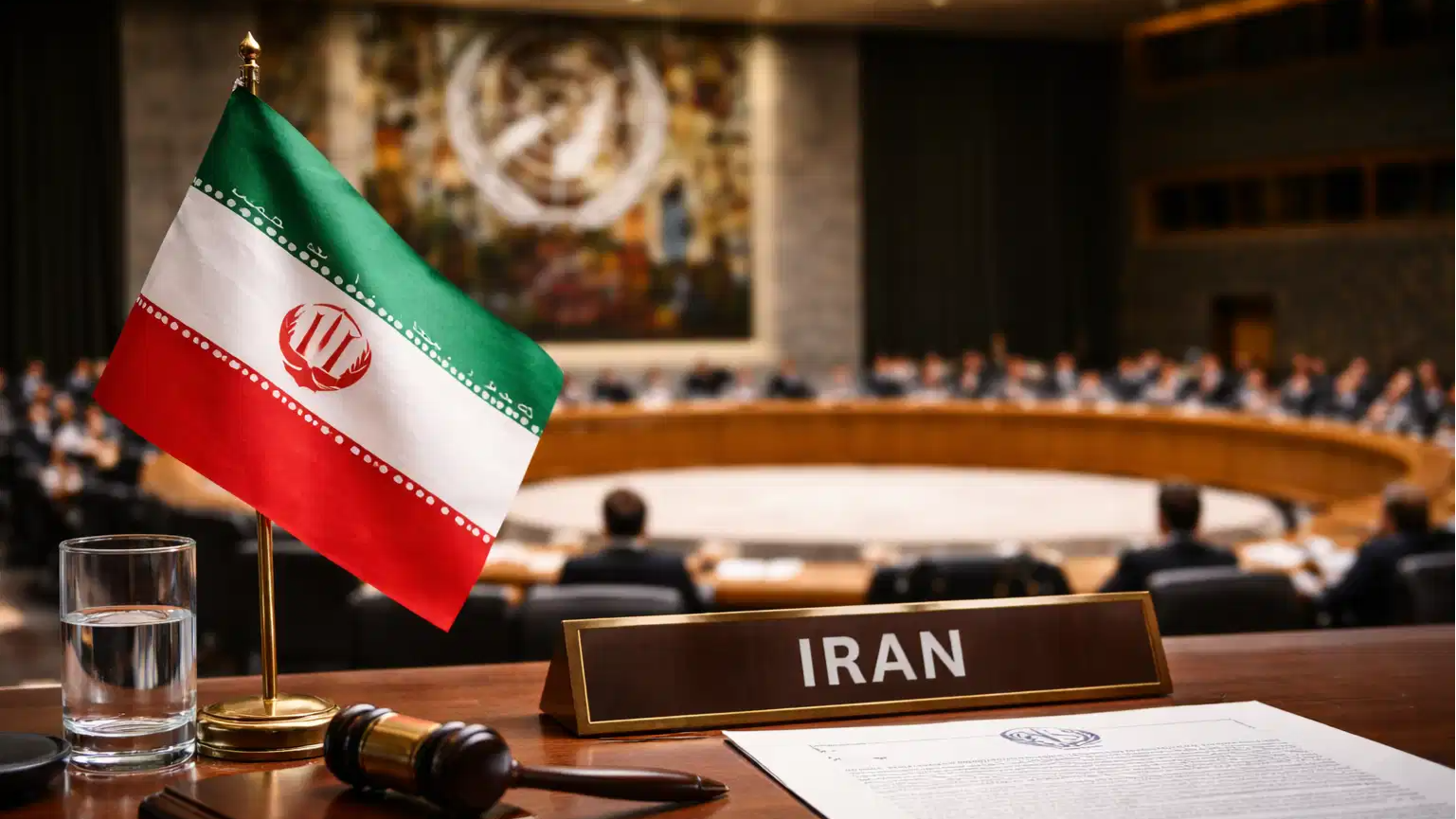
With retaliatory strikes, evacuations, airspace closures and international diplomatic tensions mounting, the Israel-Iran conflict has now reverberated across the Gulf region, affecting civilian life, aviation and regional stability. As events continue to unfold, authorities and global observers remain on high alert for further developments.