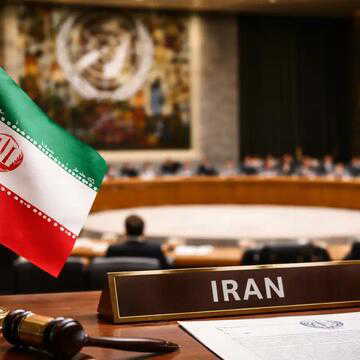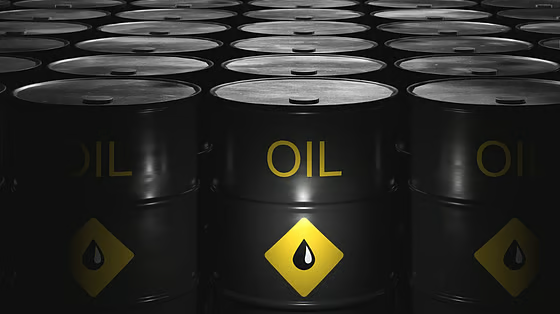
The OPEC+ alliance may consider a larger increase in oil output than previously planned when it meets on Sunday (March 1, 2026), according to two sources close to the discussions. The potential move comes amid rising geopolitical tensions after US and Israeli strikes on Iran, which have heightened concerns about possible disruptions to global crude supplies. Eight key members of the grouping, OPEC+ participants Saudi Arabia, Russia, United Arab Emirates, Kazakhstan, Kuwait, Iraq, Algeria and Oman are scheduled to meet at 1100 GMT.
Larger hike under consideration
According to The Hindu, the delegates had earlier indicated they would likely approve a modest increase of 1,37,000 barrels per day (bpd) for April as the group prepares for stronger summer demand, particularly driven by the US driving season. An April increase would end a three-month pause in output hikes that lasted from January through March 2026 due to seasonal weakness.
However, two sources said a larger-than-planned boost is now under consideration, though the exact size of any additional increase has not yet been discussed. Bloomberg News earlier reported that OPEC+ was weighing a bigger hike, citing a delegate. Crude prices have climbed in recent days on expectations, and now confirmation of US military action against Iran, raising fears of supply disruption from one of OPEC’s key producers.
Saudi Arabia and the UAE raise exports
Evidence suggests that major Gulf producers have already taken precautionary steps. The UAE’s state oil producer in Abu Dhabi is set to export more of its flagship Murban crude in April, according to trade sources.
Meanwhile, Saudi Arabia has increased its oil production and exports as part of contingency planning, sources told Reuters earlier this week. The moves are aimed at cushioning markets against potential supply shocks stemming from the conflict.
The eight OPEC+ members had previously raised production quotas by about 2.9 million bpd between April and December 2025, roughly 3% of global demand, before pausing further increases earlier this year.
Also Read | UAE urges residents to stay indoors as missiles are intercepted; India voices concern over escalation
As the Middle East faces renewed instability following US-Israel strikes on Iran, OPEC+ appears ready to respond to market volatility with potential supply adjustments. Whether the group opts for a modest increase or a more aggressive output boost on March 1 will be closely watched by global energy markets seeking stability amid geopolitical uncertainty.