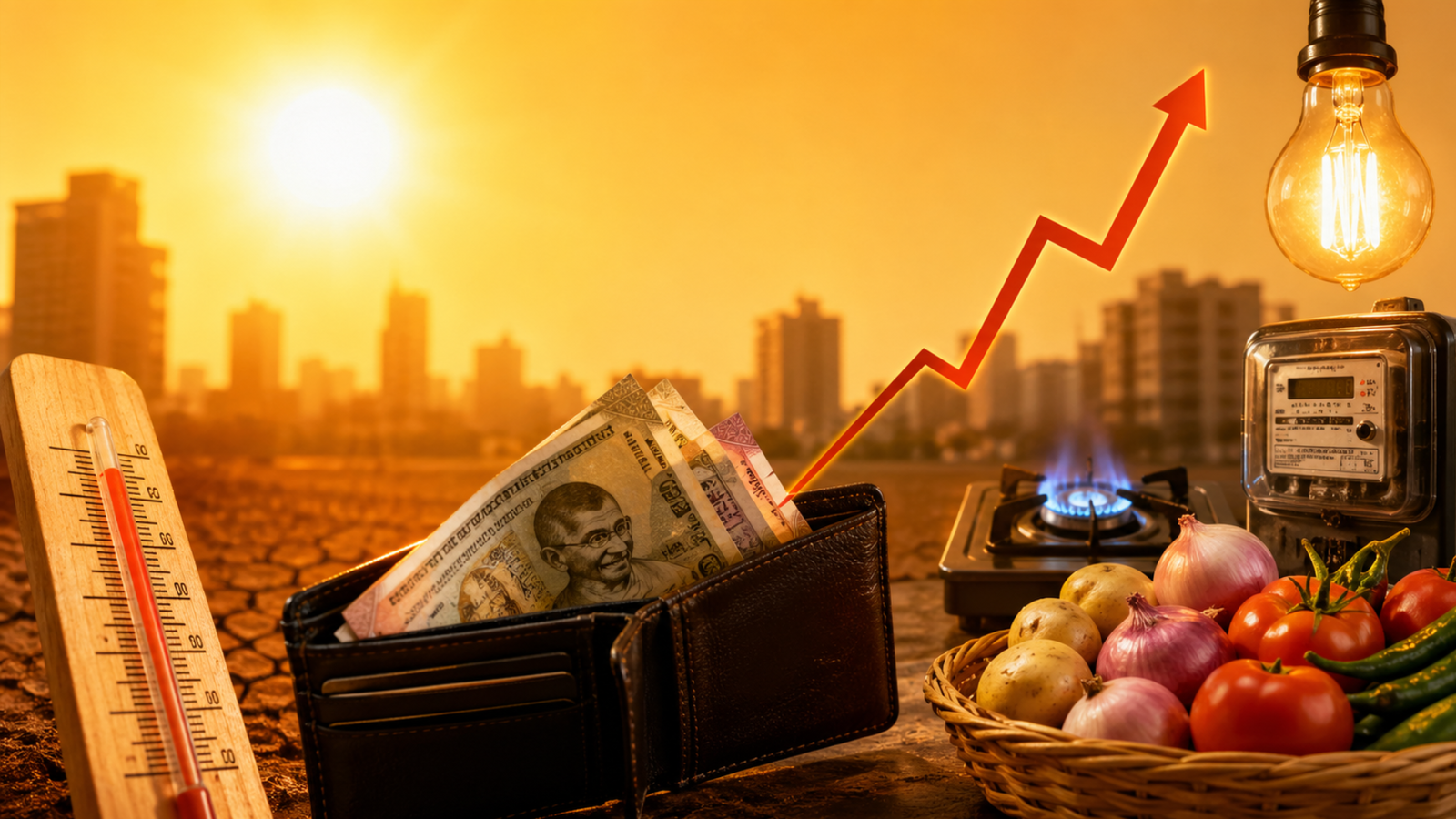
The season’s first official heatwave has arrived with force, pushing temperatures in the national capital to 43.2C. With the India Meteorological Department issuing yellow alerts across northern regions and Jharsuguda in Odisha touching 44.6C, the impact is no longer limited to weather updates. A parallel financial strain is becoming evident. The ongoing “thermal chimney” effect is not just heating cities, it is steadily increasing household expenses, creating what many are calling a “heat tax”.
The ‘AC paradox’ and rising power bills
The biggest and most immediate pressure is visible in electricity consumption. As temperatures remain nearly 5C above normal, air conditioners are running longer and harder. The “AC paradox” comes into play here. Hotter outdoor air forces AC condensers to work more intensively to release heat, lowering efficiency. As a result, more electricity is consumed to maintain the same indoor cooling. For many urban households, this has led to a 30 to 45 per cent rise in monthly power bills, forcing adjustments in savings and routine spending.
Also Read | First-ever malaria drug for babies gets WHO approval
Why do groceries cost more but give less?
The heat is also affecting food supply and pricing. Early summer conditions have disrupted crop cycles, damaging mango yields and reducing the availability of leafy vegetables. Increased investments have been made by farmers as well as logistics companies in irrigation and cooling processes to ensure that spoilage is not caused. Goods such as onions and tomatoes are particularly susceptible to transit mortality in extremely hot weather conditions; this causes a reduction in the availability of these products, leading to an increase in their prices.
The hidden ‘cognitive tax’
There is also the indirect consequence concerning productivity. Research reveals that higher temperatures above 35 degrees Celsius impair brain functions. As such, sleepless nights take their toll by affecting the individual the following day. This applies to both manual labourers and office workers, causing them to become dependent on paid services, hence reducing their productivity.
Also Read | Why does one planet’s day last months? NASA reveals a cosmic mystery
The growing ‘thanda premium’
Everyday spending is also shifting. There has been an increase in prices of cool beverages and water due to increased costs of refrigeration; there has emerged a phenomenon called the "thanda premium". Such small expenditures accumulate over time and have a great impact on budgets.
In addition, vehicles have become more deteriorated under the influence of heat, which increases the cost of maintaining vehicles through the additional burden put on the tires, batteries, and cooling systems. Due to limited distances, electric cars must charge more often. "Urban heat islands" along with high temperatures, prompt people to switch to air-conditioned transport, which leads to rising costs of regular travel.