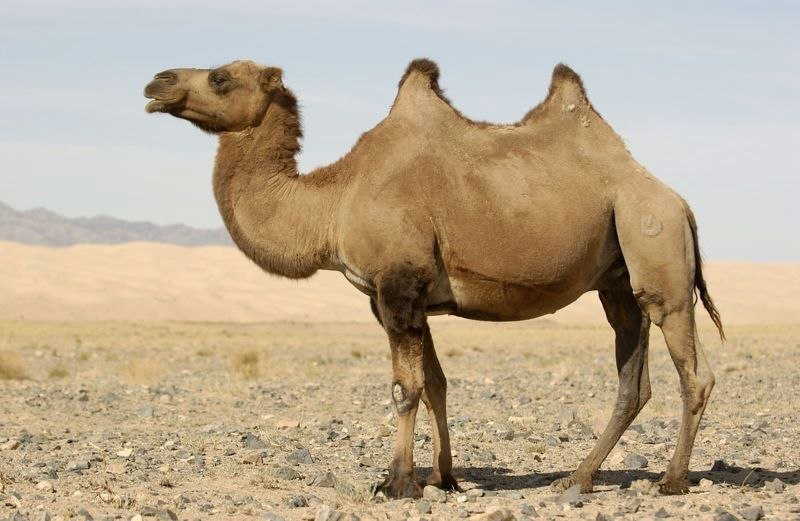
Camels are often called the "ships of the desert" because of their remarkable ability to endure scorching temperatures, long journeys and limited water supplies. Among the many traditional practices associated with camel rearing, one stands out for its simplicity: feeding camels salt. While it may seem unusual, experts say the practice is rooted in science and helps these animals thrive in some of the world's harshest climates.
For centuries, desert communities across Asia, Africa and the Middle East have included salt in camel diets to support their health and survival during long periods of travel and grazing.
Why do camels need salt
Like all mammals, camels require essential minerals to maintain bodily functions. Salt, which contains sodium and chloride, helps regulate fluid balance, nerve function and muscle activity.
Also Read | 3kW solar setup: Cost, savings and appliances it can run
In desert environments, where temperatures can soar and water sources are scarce, maintaining electrolyte balance becomes especially important. Salt helps camels retain the minerals they lose through sweating and other metabolic processes.
Helps with hydration
One of the biggest benefits of salt is its role in hydration. Contrary to popular belief, salt does not simply make camels thirsty. Instead, it helps their bodies manage and store water more efficiently.
Camels are known for their ability to drink large amounts of water in a short time and retain it for extended periods. Adequate sodium levels support this process, allowing the animals to cope better with prolonged dry spells.
Supports digestion and nutrition
Desert vegetation is often sparse and low in certain nutrients. Salt supplements help compensate for mineral deficiencies and support healthy digestion.
Also Read | 'Work from bike' video from Hyderabad sparks road safety debate
Herders traditionally provide salt blocks or mineral-rich feed to ensure camels receive the nutrients necessary for growth, reproduction and overall health.
A tradition backed by science
As per multiple reports, researchers and veterinarians note that sodium is an essential nutrient for livestock, including camels. Animals often seek out natural salt deposits when available, demonstrating an instinctive need for the mineral.
The long-standing practice of feeding salt to camels is therefore not just a cultural tradition but a scientifically supported method of maintaining animal health in challenging environments.
How much salt do camels consume?
The amount varies depending on age, workload, diet and environmental conditions. Herders generally provide controlled quantities rather than excessive amounts, ensuring the animals receive the benefits without potential health issues associated with overconsumption.
This careful balance has helped desert communities care for camels for generations.
FAQs
Q1. Why are camels fed salt?
A. Salt helps maintain electrolyte balance, supports hydration and provides essential minerals needed for healthy body functions.
Q2. Does salt make camels thirstier?
A. While salt influences thirst, it also helps camels regulate fluids and use stored water more efficiently.