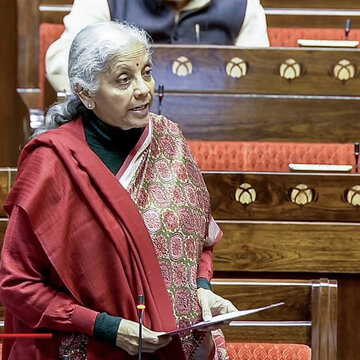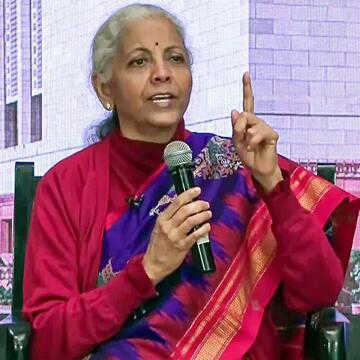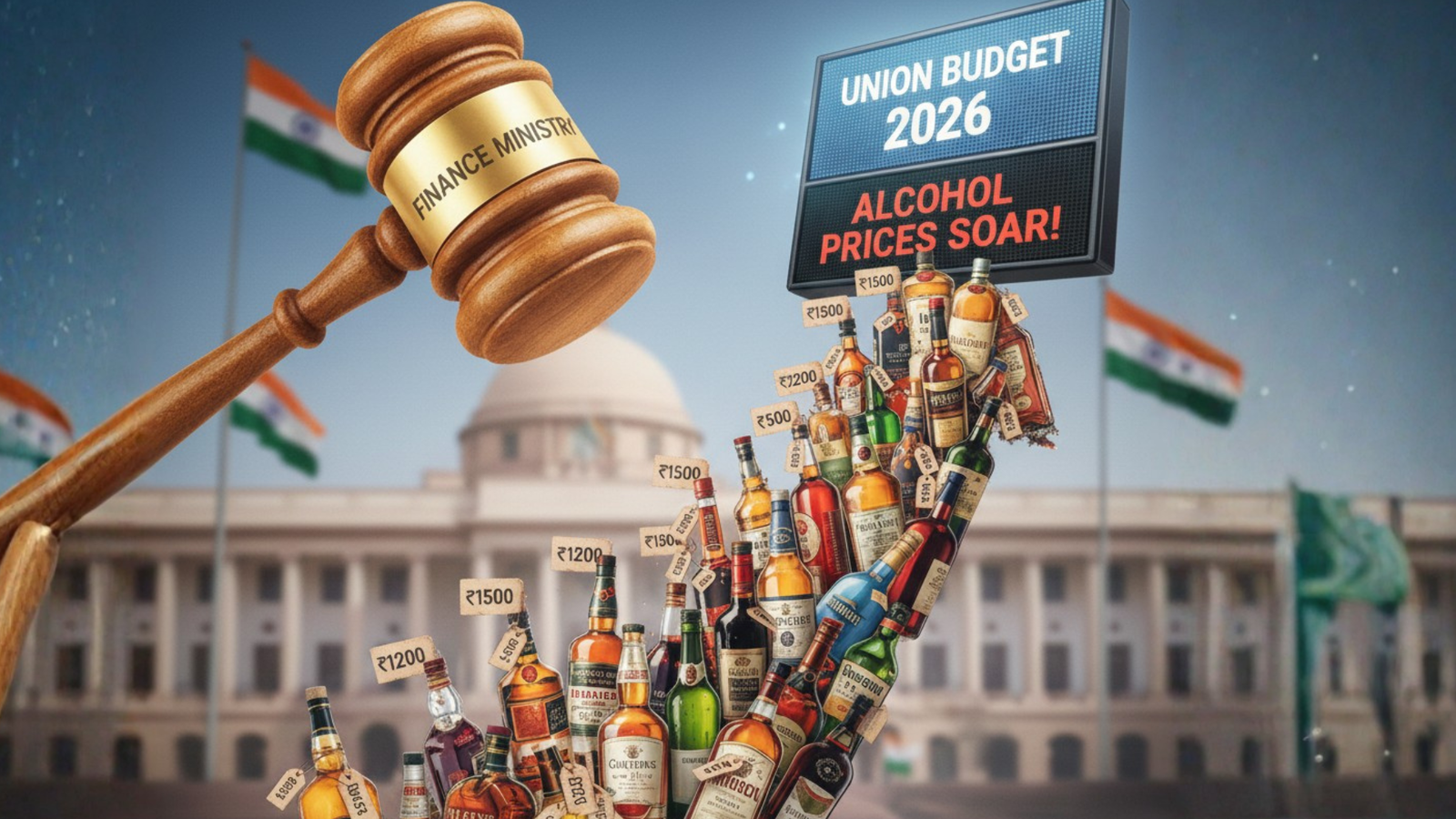
In her ninth consecutive Union Budget presented on Sunday, 1 February 2026, Finance Minister Nirmala Sitharaman indicated that certain consumer items, including alcoholic beverages, are likely to become costlier under the new fiscal proposals, a move that could have an immediate impact on lifestyle expenses across the country.
While the Budget offered relief in several sectors by reducing duties on essential medicines, renewable energy components and electronics, it also introduced tax changes aimed at enhancing revenue and rationalising consumption. As part of this, levies on products typically classified as “sin goods” were revised, meaning alcohol prices in the market are expected to rise in the coming months.
Also Read | Union Budget 2026-27: 17 cancer drugs become duty-free, rare disease medicines exempted
Government tightens levies on discretionary consumption
Officials explained that the government used the Budget as an opportunity to tighten tax structures on discretionary items whose consumption is neither essential nor linked with national priorities. Alcohol, long subject to excise and state levies, has now seen additional adjustments in customs and tax collected at source (TCS) provisions, broadening the scope for higher retail prices.
The duty revisions form part of a broader strategy to balance fiscal consolidation with revenue enhancement. While the Budget maintained a firm stance on overall tax policy, without altering personal income tax slabs, it leaned on selective increases in levies on luxury and non-essential goods to fund developmental priorities. In doing so, it reiterated the government’s emphasis on targeting consumption choices that impose social costs, including health and public order concerns.
Also Read | Union Budget 2026: Mental health takes centre stage, Nirmal Sitharaman announces NIMHANS 2.0
What it means for consumers
The ripple effect of these tax changes could be felt sooner rather than later. Retailers and distributors are expected to adjust prices to reflect higher duty burdens, which may result in increased costs for consumers at liquor outlets and bars. For many households, particularly in urban centres, this could translate into noticeable price adjustments at the point of sale.
The announcement comes amid a broader Budget narrative that sought to cushion everyday spending in areas like healthcare and renewable energy products while tightening the tax screws on items viewed as non-priority from a public policy standpoint. Alcohol is among the first products flagged by the Finance Ministry, where this approach is likely to translate into higher prices.
As the Budget’s finer details are absorbed by businesses and consumers alike, the change in alcohol taxation is expected to spark debate among stakeholders over its impact on consumption patterns and state revenues.