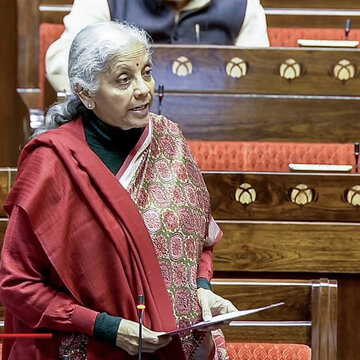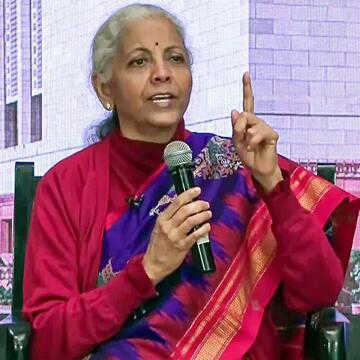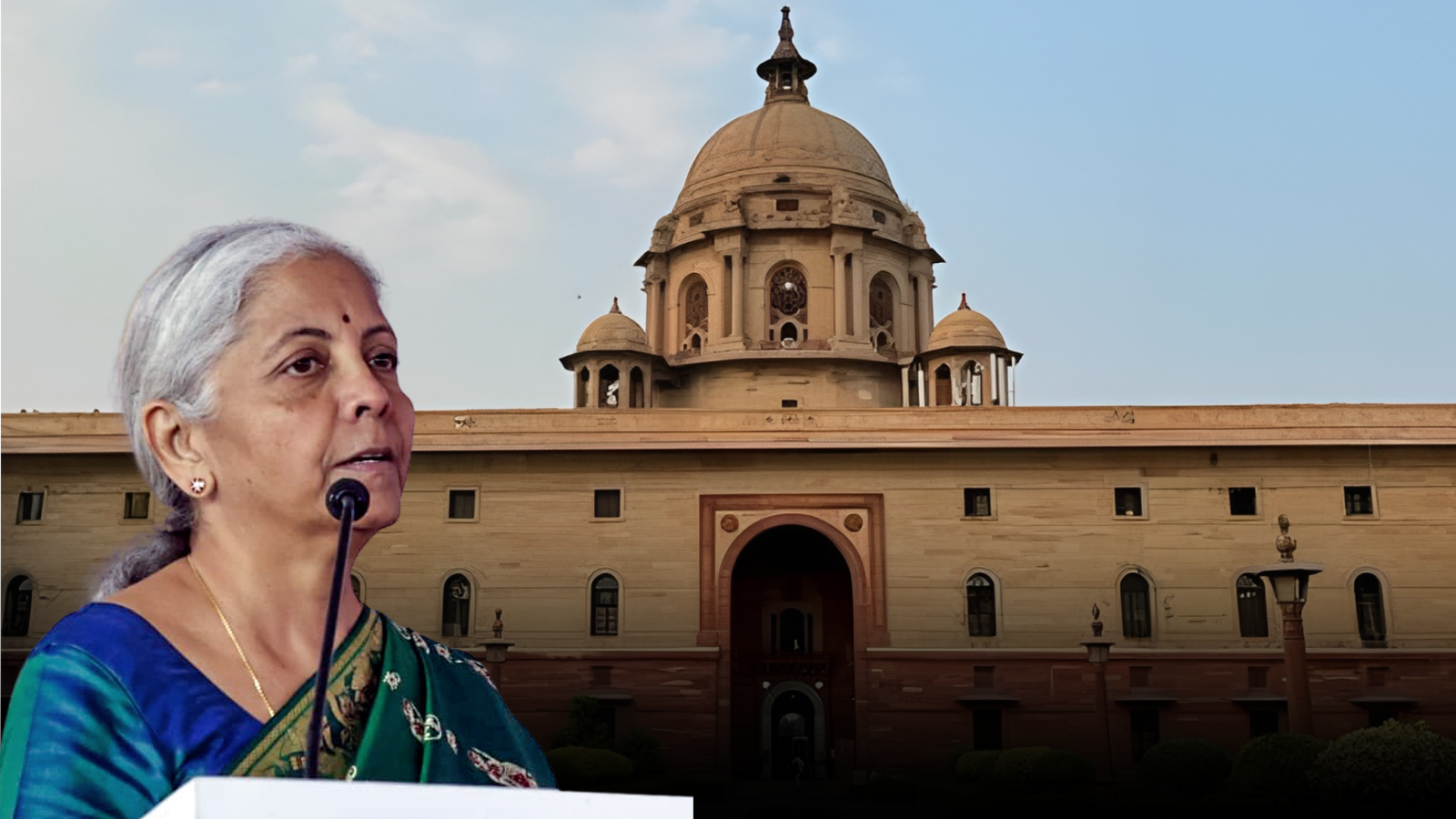
In a move aimed at easing the financial burden on accident victims and their families, Union Finance Minister Nirmala Sitharaman announced a full income tax exemption on interest awarded in motor accident compensation cases while presenting the Union Budget 2026 in Parliament.
What does the new provision mean for claimants?
Under the new provision, interest granted by a Motor Accident Claims Tribunal (MACT) to an individual will no longer be treated as taxable income. The change ensures that recipients receive the entire awarded amount without deductions, especially in cases where long legal delays lead to significant interest accumulation.
Also Read | FM Nirmala Sitharaman lays out a six-step roadmap for India’s next growth push in Budget 2026
The Finance Minister said the exemption is designed to provide humane financial relief to families already coping with loss or injury. Compensation in motor accident cases often takes years to settle, and the interest component is meant to offset that delay. By removing the tax liability, the government aims to protect the real value of the payout.
Previously, the interest portion of compensation could be interpreted as income and taxed under existing rules, reducing the final amount received by victims. Tax experts had long argued that such payments were compensatory in nature and should not be treated like regular earnings.
Also Read | Budget 2026-27: Fiscal deficit pegged at 4.3% of GDP
Who is eligible for the exemption?
As per reports, the exemption applies specifically to natural persons, individual claimants, receiving interest as part of a tribunal award. The measure is part of a broader set of taxpayer-friendly reforms introduced in Budget 2026, focused on simplifying compliance and offering relief in situations involving hardship.