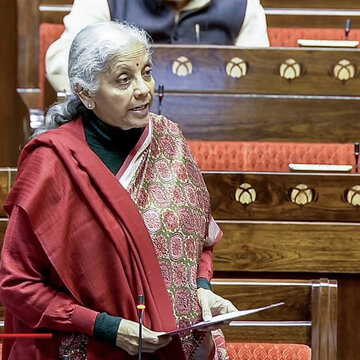
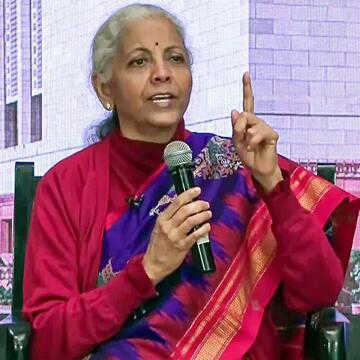
This year's Union Budget will break from a 75-year precedent with Finance minister Nirmala Sitharaman anticipated to announce an in-depth vision of India's economic future in Part B of her speech, rather than just depending on Part A as past Budgets have done to provide the majority of their content.
In previous Union Budgets, most of the content was in Part A. Part B mostly included tax and policy announcements. According to a report by news agency NDTV, this time, Part B will include the full list of priorities, both short and long term goals, as India moves into the second quarter of the 21st century and focuses on domestic capability and ambition on the world stage.
Also Read | Union Budget 2026: Five key railway reforms on the cards
Economists in India and other countries are watching closely. They expect a plan that goes well beyond regular tax changes.
The Budget will be presented on Sunday for the fiscal year that will run from April 2026 until March 2027. It is also the first time that such a presentation has occurred in independent India's history.
What will Part B include?
According to sources, a predominant focus of the Budget speech's Part B will be on both short-term economic imperatives and longer-term developmental goals. Part B will explain how government will achieve a balance between near-term growth and fiscal responsibility, social equity with long-term structural reforms.
The main goal is to present a new economic vision for India as the country moves into the second quarter of the 21st century. This will show how its policies and processes from recent years continue while also considering new initiatives that address ongoing domestic and global challenges.
Also Read | Before the Budget speech, here’s how the government decides where every rupee goes
Showcasing India's strengths
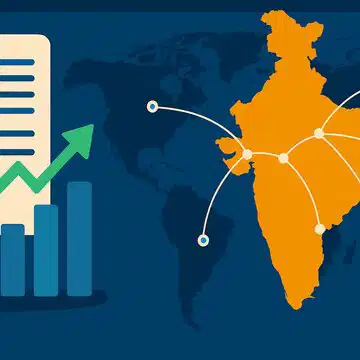
According to a report by News18, Part B of the Budget speech will also provide a clear plan for demonstrating the nation's local capabilities with respect to the rest of the world. Since India has an existing and a defined economic capacity, it is considered to be able to demonstrate its potential for future growth throughout specific economic sectors.
This means that there's going to be greater emphasis on how the country is as an economy, how will become a better competitor and a more resilient economy when compared to other countries, while also contributing back to the global marketplace and supply chain setup.