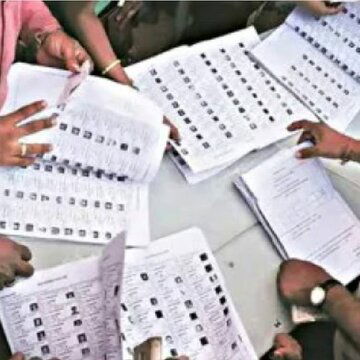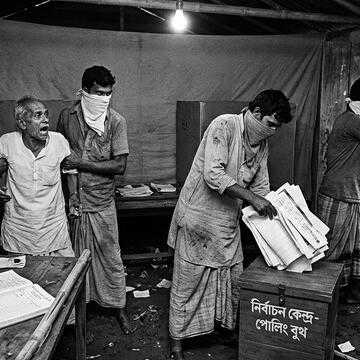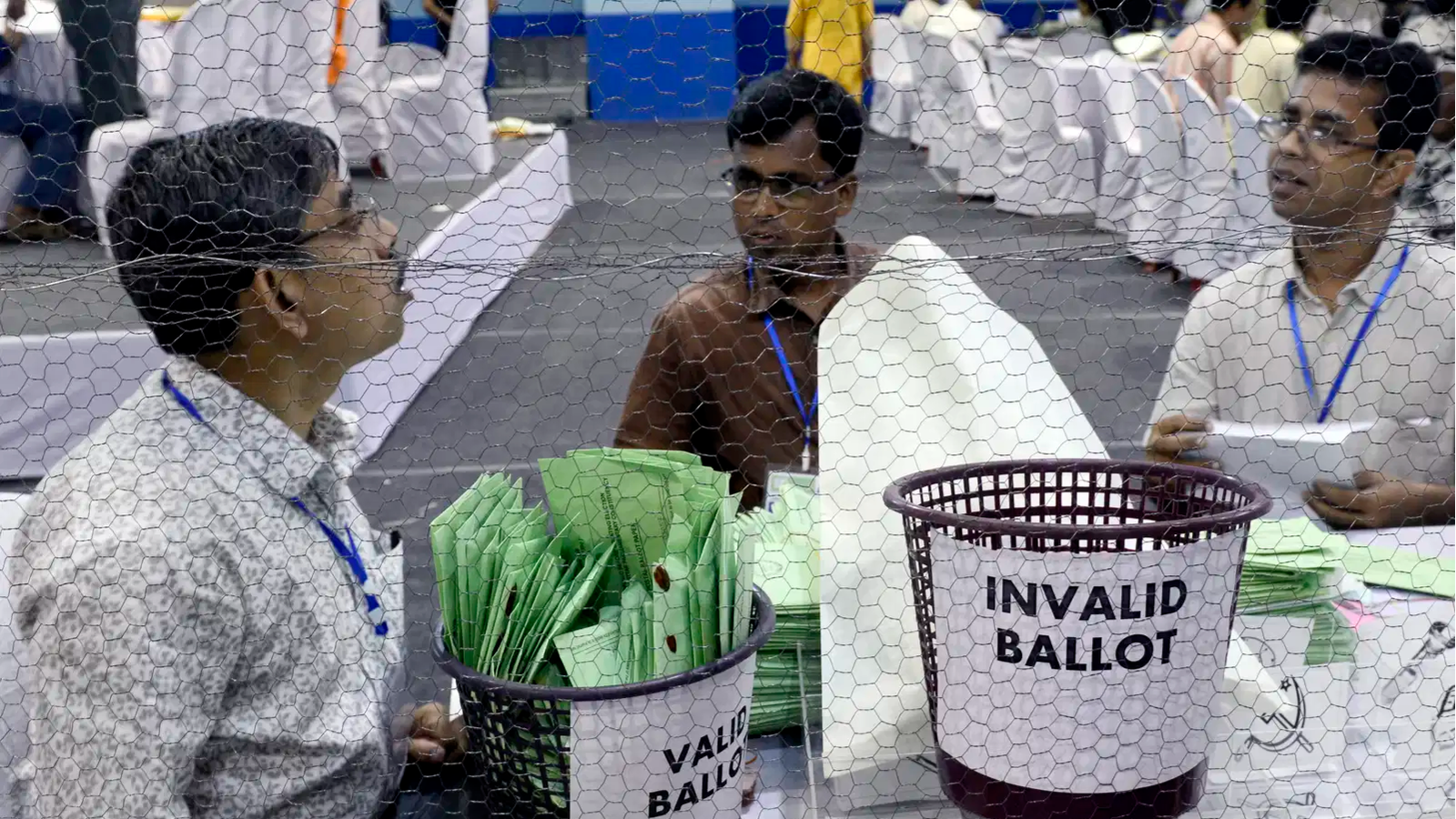
Postal ballots are votes cast before counting day by specific groups who cannot be physically present at polling stations. This includes service voters such as armed forces personnel, government officials deployed on election duty, and some senior citizens or persons with disabilities who opt for absentee voting.
Also Read | Tale of 96 seats: How SIR reshaped Bengal’s vote map
Since these ballots are submitted in advance, they are usually the first to be opened and counted when results day begins. This is why the earliest numbers or leads often come from postal ballot counting.
Why early leads can be misleading
The first trends seen on television or live updates often reflect only postal ballots, not the full electorate. This limited sample can create an incomplete picture.
Postal voters may not reflect the broader voting population. Their voting patterns can differ from the general public, given their professional or service backgrounds. At the same time, the number of postal ballots is relatively small compared to the total votes cast through Electronic Voting Machines (EVMs).
As a result, a candidate leading in these early numbers may not necessarily maintain that position once the larger pool of votes is counted.
The role of EVM counting rounds
Another factor that shapes trends is the round-based counting system for EVM votes. Votes from different polling stations are counted in batches, and each round adds a new layer of data.
Margins can change significantly between rounds. A candidate who appears behind in the initial rounds may gain ground as counting progresses across more areas. This process makes early trends fluid rather than fixed.
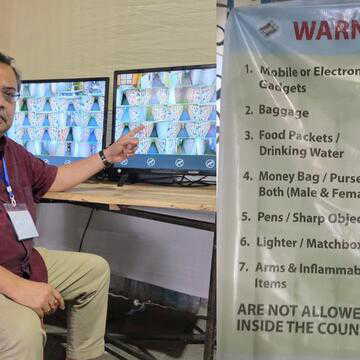
Also Read | Counting centres: No phones allowed, but can agents carry pens? EC clarifies
When the picture becomes clearer
Those initial "leads" are better understood as a first glimpse rather than a final direction. A clearer and more reliable picture emerges only after several rounds of EVM counting, when a larger and more representative share of votes has been tallied.