In the previous assembly election, these 37 seats once again aligned with the outcome. The Trinamool Congress secured 23 of them, while the BJP won 14, reflecting the broader victory margin in the state.
The BJP performed strongly in North Bengal and parts of the Ranaghat and border belts, while the Trinamool dominated large stretches of Nadia and urban pockets in North 24 Parganas. This split highlighted regional contrasts but ultimately favoured the ruling party.
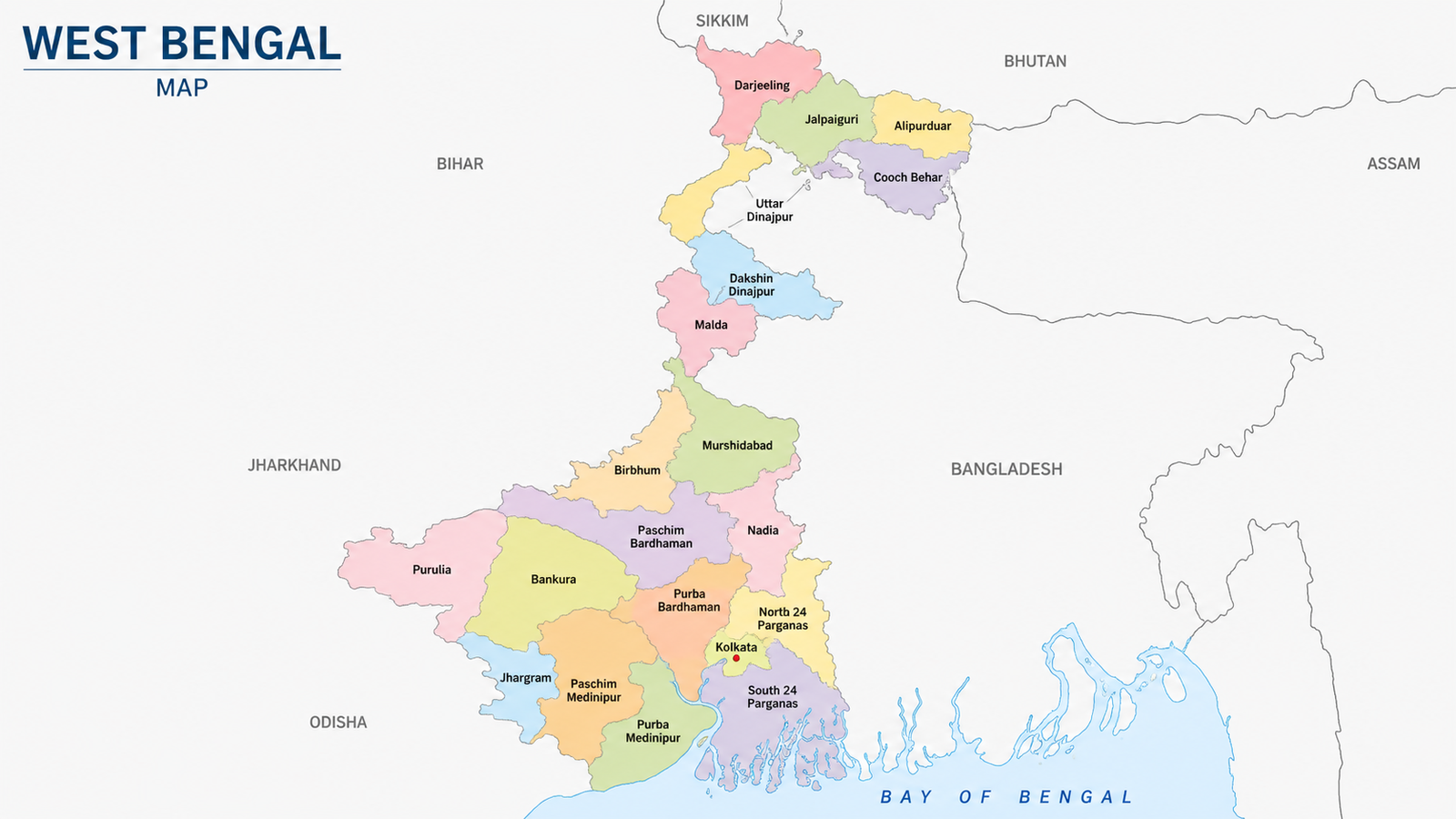
These seats, spread across North Bengal, Nadia and North 24 Parganas, have consistently mirrored the broader political mood since 1977. Whichever party manages to secure a majority here has almost always gone on to win power in the state.
The bellwether seats for West Bengal
The 37 key constituencies that have long acted as electoral bellwethers in West Bengal include Alipurduars, Kalchini (ST), Darjeeling, Balurghat, Tapan (ST), Raiganj, Karandighi, Islampur, Chopra, Goalpokhar, Chakulia, Karimpur, Tehatta, Palashipara, Kaliganj, Nakashipara, Chapra, Krishnanagar Uttar, Nabadwip, Krishnanagar Dakshin, Santipur, Ranaghat Uttar Paschim, Ranaghat Uttar Purba, Ranaghat Dakshin (SC), Chakdaha, Kalyani (SC), Haringhata (SC), Bagda (SC), Bangaon Uttar (SC), Bangaon Dakshin (SC), Gaighata (SC), Swarupnagar (SC), Baduria, Habra, Ashoknagar, Amdanga and Bijpur. Spread across North Bengal, Uttar Dinajpur, Nadia and North 24 Parganas, these seats collectively reflect the state’s diverse political landscape.
In the 2021 assembly elections, the Bharatiya Janata Party dominated the North Bengal stretch, winning Alipurduar, Kalchini, Darjeeling, Balurghat, Tapan and Raiganj. However, the All India Trinamool Congress swept most of the Uttar Dinajpur belt, securing Karandighi, Islampur, Chopra, Goalpokhar and Chakulia. The party also performed strongly in the Nadia region, winning a clean sweep across Karimpur, Tehatta, Palashipara, Kaliganj, Nakashipara, Chapra, Krishnanagar Uttar, Nabadwip, Krishnanagar Dakshin and Santipur.
The Ranaghat–Kalyani belt saw a mixed outcome, with the BJP winning Ranaghat Uttar Paschim, Ranaghat Uttar Purba, Ranaghat Dakshin and Haringhata, while the Trinamool held on to Chakdaha and Kalyani. In the Matua and border-dominated areas of North 24 Parganas, the BJP secured Bagda, Bangaon Uttar, Bangaon Dakshin and Gaighata, while Swarupnagar went to the Trinamool. In the urban and peri-urban pockets, the Trinamool maintained its edge with wins in Baduria, Habra, Ashoknagar and Amdanga, while Bijpur was won by the BJP.
Overall, the Trinamool Congress secured 23 of these 37 seats, while the BJP won 14, a distribution that mirrored the broader electoral outcome in the state.
The BJP performed strongly in North Bengal and parts of the Ranaghat and border belts, while the Trinamool dominated large stretches of Nadia and urban pockets in North 24 Parganas. This split highlighted regional contrasts but ultimately favoured the ruling party.
Also Read | Will vote counting be slow this time? EC observer Subrata Gupta responds
All eyes on the trend again
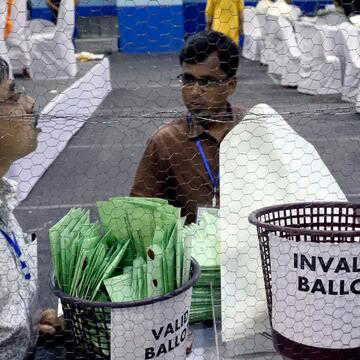
With counting underway, these constituencies are once more being closely tracked by political observers. Early leads and swings in these areas are expected to offer clues about the larger electoral picture.
Also Read | How reliable are the first trends you see on counting day? Here's all you need to know
While elections can always produce surprises, the historical consistency of these 37 seats makes them difficult to ignore. Whether the trend holds in 2026 or breaks under new political dynamics will become clear as the final numbers emerge, but for now, they remain the most closely watched battlegrounds in the state.