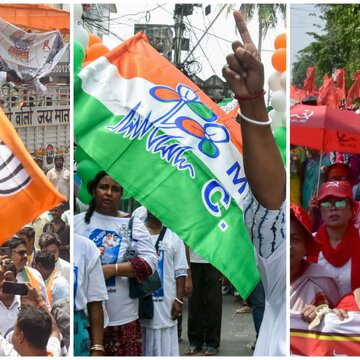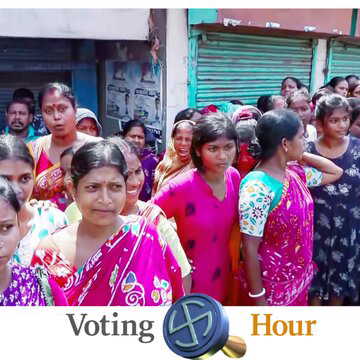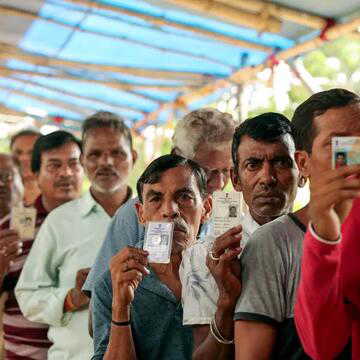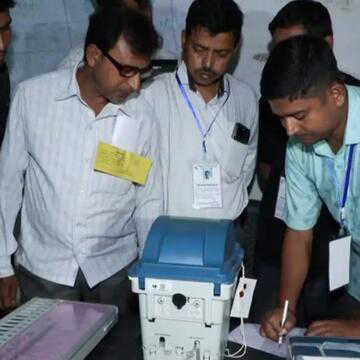
The 2026 assembly election in West Bengal has remained one of the most peaceful and silent polling sessions over the last few decades. This year, the election was held in two phases, and a record 91% of voters turned out. Amid all the political chaos, parties were not able to come and attack each other physically, and parties have not been able to capture any booths. The new rules brought to us by the Election Commission of India have finally shown an aura of success. This Bengal election has two sides of the coin: one is the SIR dilemma, and the other is the massive success on polling day in handling violence.
Also Read । Election Results 2026 Explained: How the Election Commission counts every vote
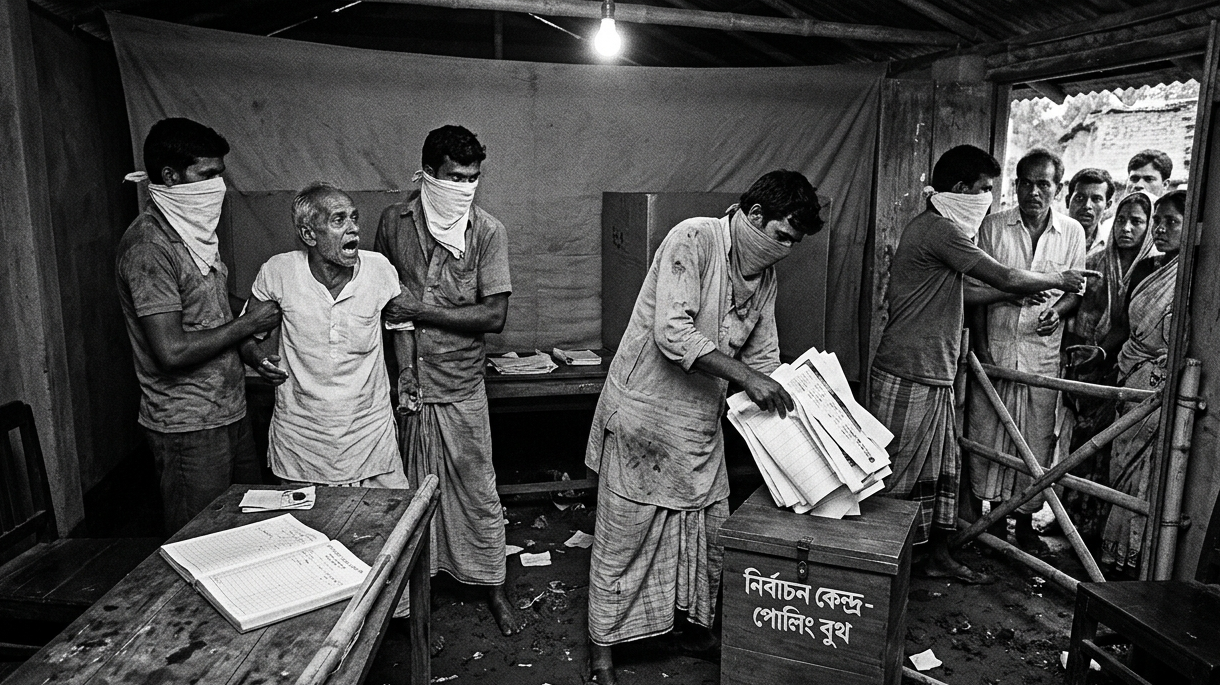
Before the 2026 election, booth capturing was a common thing, and normal voters were used to it. These things, along with the post-poll violence, were similar to the term vote. Over the years, the vote has largely become an area of discretion and violence.
What is ‘Booth capturing’?
Booth capturing is a serious form of electoral fraud in which a group forcibly takes control of a polling station to influence voting. The perpetrators may intimidate or drive away genuine voters, threaten polling officials, and cast fraudulent votes by stuffing ballot boxes or manipulating electronic voting machines. This disrupts the democratic process and denies citizens their right to vote freely.
Today, the West Bengal Legislative Assembly Election 2026 has reached a decisive stage.
— Krishana Chauhan (@Krishna48809571) May 4, 2026
On Monday, May 4, vote counting will take place for 293 out of 294 seats. This will determine whether the All India Trinamool Congress remains in power or if the Bharatiya Janata Party makes… pic.twitter.com/OxtzpX1OmQ
In India, booth capturing is treated as a criminal offence under the election laws. The Election Commission of India has the authority to counter such incidents by cancelling polling at affected booths, ordering re-polls, and initiating strict legal action against those responsible. Security personnel and observers are often deployed in sensitive areas to prevent such malpractice.
Also Read । Election Commission counts votes today for West Bengal, Assam, Kerala, Tamil Nadu, and Puducherry
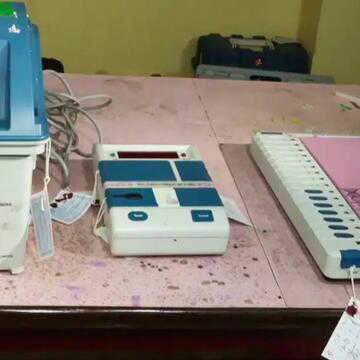
In 1989, the Representation of the People Act, 1951, was amended to classify booth capturing as a punishable offence and to allow authorities to adjourn or cancel polls affected by it. The introduction of Electronic Voting Machines (EVMs) further reduced such malpractice by limiting rapid vote entry, unlike ballot papers, where large-scale stuffing was easier.
West Bengal Chief Minister Mamata Banerjee tweets, "Reports are coming in from various quarters indicating that the BJP is deliberately orchestrating load shedding. From Sreerampur in Hooghly to Krishnanagar in Nadia, Ausgram in Bardhaman, and the Khudiram Anushilan Kendra in… pic.twitter.com/Fkb7ikgfae
— ANI (@ANI) May 3, 2026
EVMs also include a “close” button that enables polling officers to stop voting if irregularities occur. Despite these safeguards, incidents of booth capturing have not been eliminated, though they now occur far less frequently than before.
Why has no Booth been captured this year?
West Bengal’s 2026 elections saw unprecedented central force deployment, turning the state into a “fortress” to ensure free and fair voting. Over 2–3 lakh Central forces and personnel were deployed across sensitive areas to prevent violence, intimidation, and booth capturing, reflecting past concerns over poll-related unrest and the high political stakes.