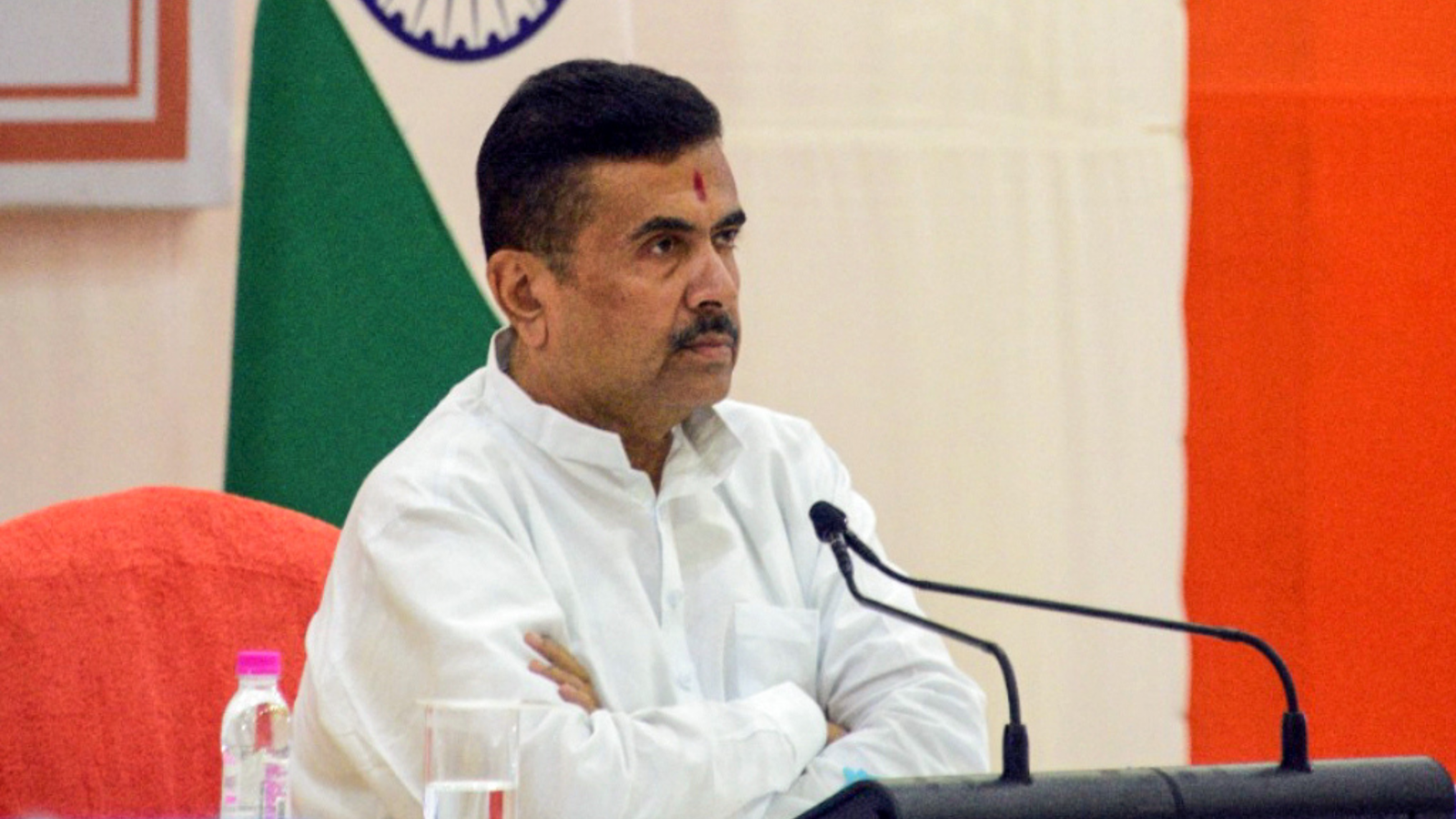
The West Bengal government, led by Chief Minister Suvendu Adhikari, is preparing to introduce a Uniform Civil Code (UCC) Bill in the state Assembly, marking a significant step in the Bharatiya Janata Party's long-standing push for uniform civil laws across the country.
As per the reports, the new bill would be drafted keeping in view the Uniform Civil Code system of Assam, which aims to ensure common provisions on marriage, divorce, inheritance and succession among various communities, with exceptions being made for tribes protected by the constitution.
This would lead to further politicisation of the Uniform Civil Code debate, an ongoing one in India for decades.
Proposed UCC to address issues of marriage, inheritance, and gender rights
According to sources privy to the plan, the bill will ban practices like polygamy and child marriage and provide uniformity in the laws of inheritance and succession.
According to senior BJP members of the state, tribal groups who come under the protection of the Constitution will stay away from the ambit of the new law. The state government has also introduced the West Bengal Public Safety and Control of Anti-Social Activities Bill, which intends to provide more preventive detention provisions and property confiscations related to anti-social activities. The proposed comes at a time when UCC at a time when BJP trying to push UCC in other states as well.
Also Read | 'We had to add a punch': Samik Bhattacharya, Anupam Kher laugh over viral poll-season hair remark in Kolkata
What is the Uniform Civil Code?
The Uniform Civil Code is an attempt to establish a unified body of law which will govern civil affairs like marriage, divorce, adoption, inheritance, succession, and maintenance irrespective of the religious background of the people.
This idea comes from Article 44 of the Indian Constitution, a Directive Principle of State Policy, where it is laid down that the government should work towards securing a uniform civil code for the citizens. However, Directive Principles are non-enforceable through courts; thus, there is no obligation on the part of the governments to follow them.
Uttarakhand was the first state to adopt a Uniform Civil Code, then came Gujarat and Assam. At present, Madhya Pradesh is working on similar legislation.
Political parties clash over proposed law
The proposed legislation has reignited political tensions in West Bengal, where Muslims account for nearly 27 per cent of the state's population, according to the latest Census data.
The BJP has consistently argued that a Uniform Civil Code would promote equality before the law and strengthen gender justice by ensuring uniform rights across communities.
Opposition parties, however, have raised concerns about its impact on religious and cultural freedoms. Congress leader Adhir Ranjan Chowdhury told ANI that any move towards implementing a Uniform Civil Code should involve extensive consultation with states and civil society groups.
"West Bengal is a state where people of diverse religions, castes and communities have coexisted for centuries. Such legislation should not create further divisions in society," he said.
The Trinamool Congress has also opposed the implementation of a nationwide UCC, arguing that personal laws and cultural diversity should be protected.
Constitutional and legal challenges remain
Legal scholars have expressed that any Uniform Civil Code would be subjected to judicial examination in terms of its constitutionality. The critics argue that personal laws are connected with religious practices and hence a Uniform Civil Code may amount to infringement of Article 25 of the Indian Constitution, which grants freedom of religion.
Also Read | ABVP welcomes Bengal Budget 2026-27, hails education, scholarships and women-centric measures
There are also queries about the validity of Article 29, according to which the cultural rights of minority communities are protected. Opponents maintain that there would be interference with customs and traditions of different communities through a uniform law.
Yet another issue concerns the matter of federalism, as personal laws come under the Concurrent List, which implies that Parliament and state legislatures have the power to make laws relating to it.
As the government of West Bengal gears up for introducing the Bill, the proposed Uniform Civil Code will spark new political, legal, and constitutional controversies in West Bengal and elsewhere.
FAQs
Q1. What is the Uniform Civil Code (UCC)?
The Uniform Civil Code intends to establish a unified body of law which will govern civil affairs like marriage, divorce, inheritance, adoption and succession irrespective of the religious background of the people.
Q2. Would the tribal communities be brought under the proposed West Bengal UCC?
No. The tribal communities who are constitutionally protected will be excluded from the proposed Uniform Civil Code.