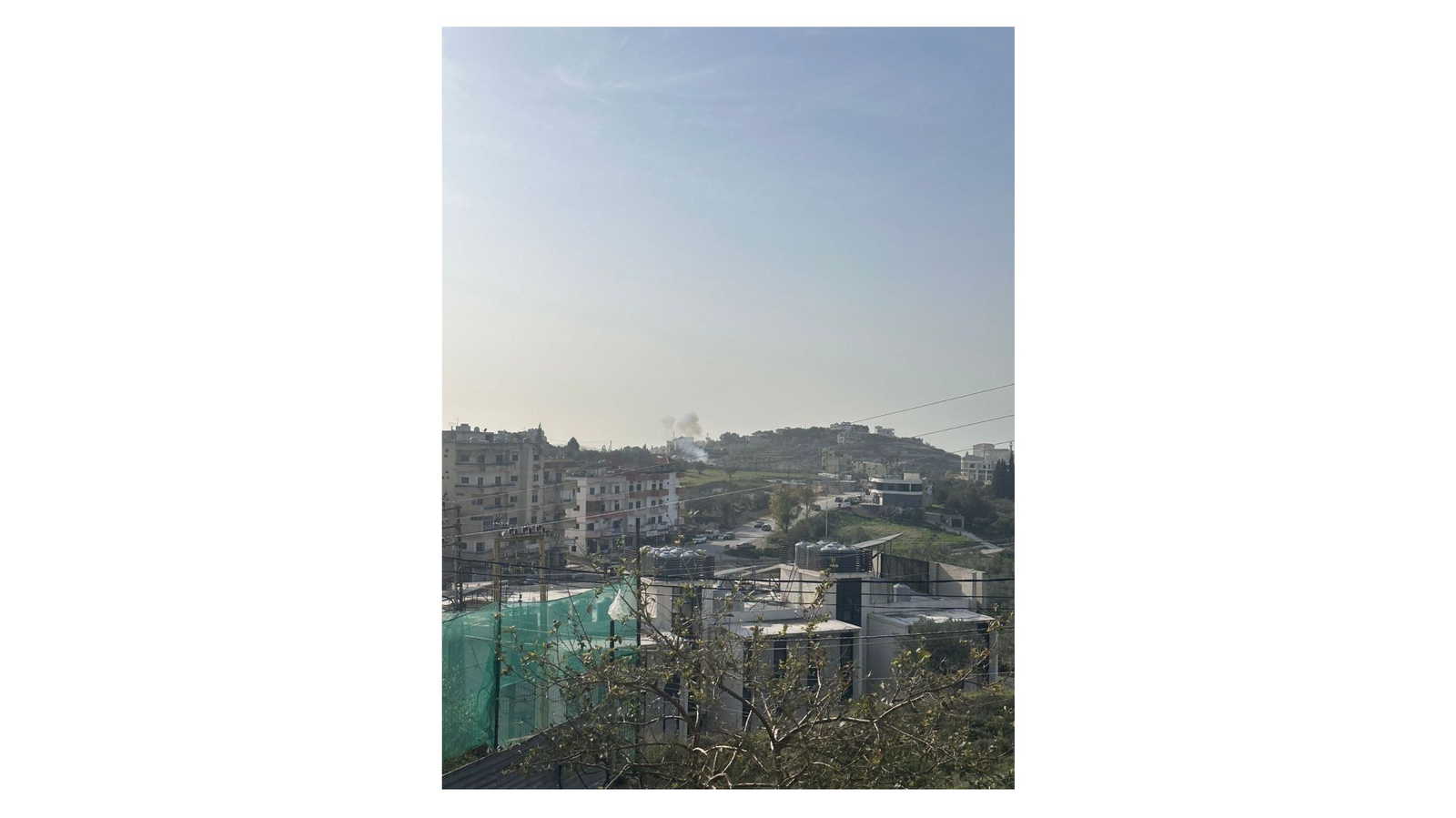
The skies over Beirut lit up with fire and smoke on Monday as Israel carried out a wave of airstrikes on Lebanon, including its capital. The bombardment followed rocket fire by the Iran-backed Hezbollah group, which said it was responding to the killing of Iran’s Supreme Leader. The exchange has sharply escalated tensions across an already volatile region, raising fears of a broader conflict.
Southern suburbs bear the brunt
The Israeli military said it launched strikes targeting militant infrastructure in Lebanon after Hezbollah fired rockets into Israeli territory. Among the areas hit were the southern suburbs of Beirut, long considered a stronghold of Hezbollah.
Residents reported more than a dozen explosions shaking buildings across the capital. Plumes of smoke rose over densely populated neighbourhoods, and emergency sirens echoed through the streets. The strikes were described as the most intensive assault on Beirut’s southern districts since the 2024 conflict between Israel and Hezbollah.
The Israel Defence Forces (IDF) stated that its operations were aimed at degrading militant capabilities and preventing further rocket launches. Lebanese officials, however, condemned the strikes, warning of civilian risks in heavily populated areas.
A widening regional confrontation
The escalation comes amid mounting regional instability following the reported killing of Ali Khamenei, a development that has triggered protests and retaliatory rhetoric across Iran-aligned groups in the Middle East.
Hezbollah’s rocket fire into Israel marked a direct show of solidarity with Tehran, drawing swift retaliation. Analysts warn that the latest exchange could drag Lebanon deeper into a broader regional confrontation involving Israel, Iran and allied groups.
International observers have expressed concern that continued tit-for-tat strikes risk spiralling beyond border skirmishes into sustained hostilities, particularly given Hezbollah’s significant arsenal and Israel’s readiness to respond forcefully.
Monday’s strikes on Beirut underline how quickly tensions in the Middle East can cascade across borders. With both Israel and Hezbollah signalling resolve, the risk of further escalation remains high. Whether diplomatic channels can temper the violence or whether the region braces for another prolonged conflict. It will depend on decisions taken in the coming hours and days.