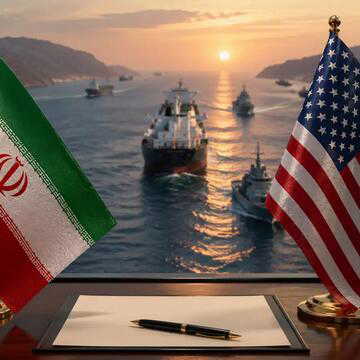
Iran said on Monday that it will charge a “maritime service fee[s]” in the Strait of Hormuz under a new framework deal with the United States, while insisting that the arrangement does not amount to a transit toll.
The statement came hours after Iran and the US announced a memorandum of understanding aimed at ending the war and after reports that the disputed waterway was central to the deal’s terms.
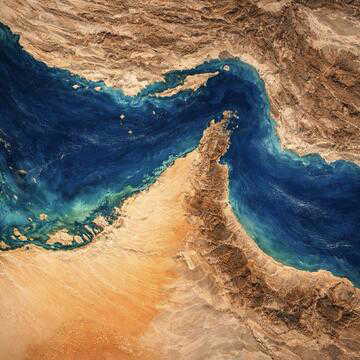
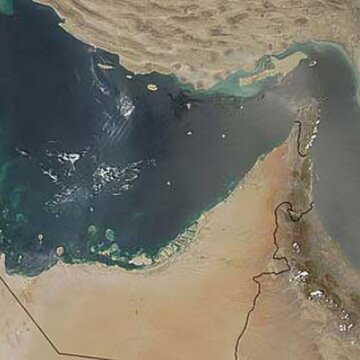
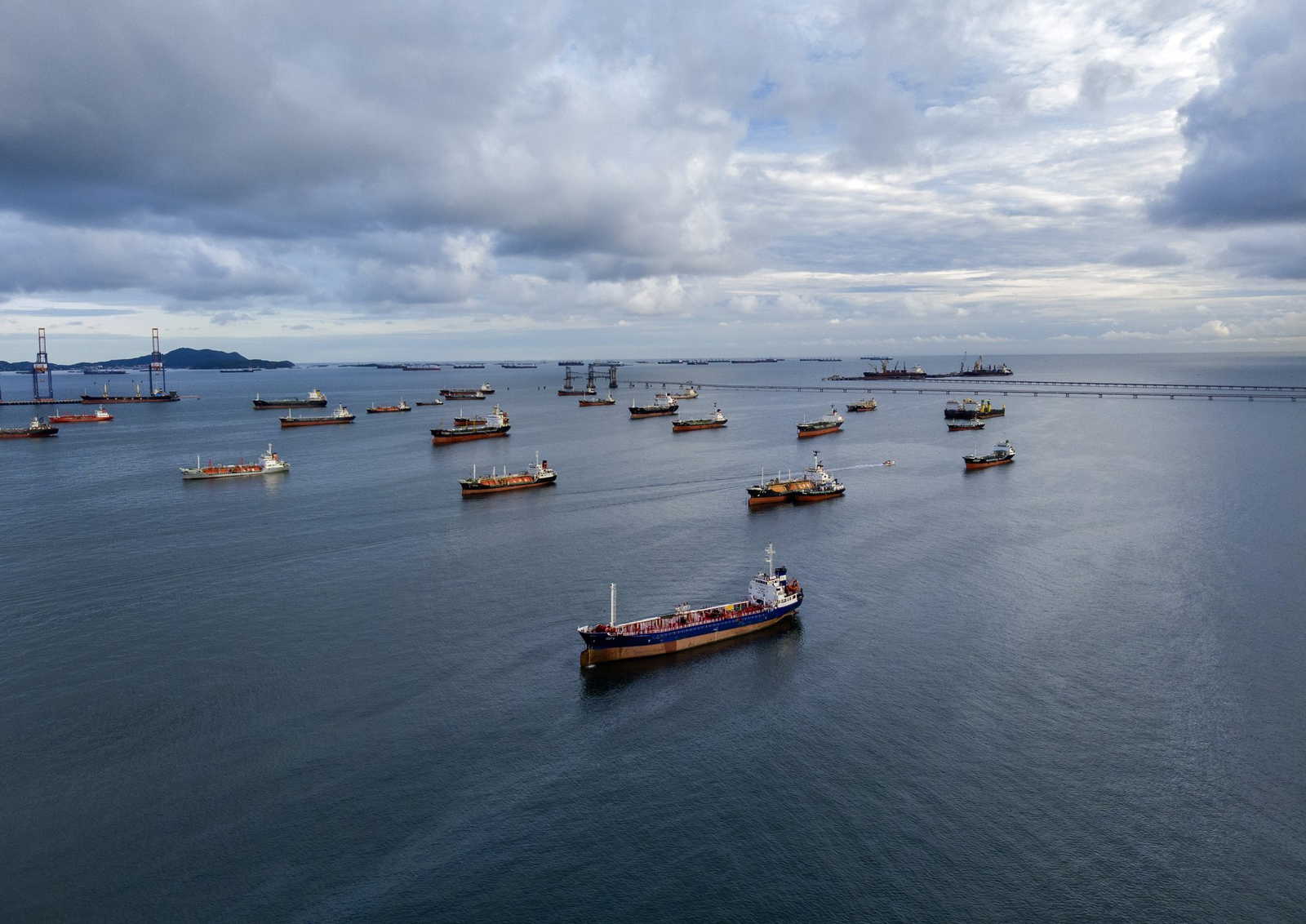
The Strait of Hormuz is one of the world’s most important energy chokepoints, and the closure of the passage has already rattled oil markets.
Also Read | Hormuz reopens, but there's a catch: Mine risks keep shipping on edge
JUST IN: Iran’s Foreign Ministry Spokesman, Ismael Baqaei on the Strait of Hormuz:
— Sulaiman Ahmed (@ShaykhSulaiman) June 15, 2026
“According to the MoU, Iran and Oman will be responsible for managing passage through the Strait of Hormuz.
Iran is not seeking to impose tolls. However, in return for navigation services,… pic.twitter.com/HrpmE9kKtc
Iran's last-minute addition to the deal
The claim appears to have originated with Iran’s state-linked Fars News Agency, which said an informed source told it that Tehran inserted a clause on maritime service fees into the framework shortly before the announcement.
The final language was amended “in the final moments of the negotiations” to emphasize Iranian-Omani sovereignty over the Strait of Hormuz, and the phrase “maritime services” was used to support the argument that fees would be payable to Iran.
Tehran explains the fees
The foreign ministry spokesperson Esmail Baghaei said Iran would not charge a toll for ships crossing the key strait. Instead, he said the country would collect fees for navigation services, environmental protection, ship insurance, and other necessary services.
He also said Tehran still held “deep mistrust” in Washington despite signing the memorandum, adding that the United States had “a long way to go” before it could earn the trust of the Iranian people.
Baghaei also said the US was committed to releasing Iran’s frozen funds abroad and compensating it for damages, describing those steps as an “essential part” of the deal.
🚨 JUST IN:⚡⚡⚡
— Sara | Journalist (@AyatollahAraafi) June 15, 2026
🇮🇷 The Strait of Hormuz will open for free passage for 60 days. After that, Iran will start charging a “service fee” for ships. The US has now recognized Iran and 🇴🇲 Oman’s sovereignty over the Strait, according to Fars News. pic.twitter.com/NhV3TimAAK
What happens next in Hormuz?
Ships would be allowed to pass through the strait without charges for an initial 60-day period, after which fees could apply.
Iran viewed the inclusion of the term “maritime services” as a significant concession. The future administration of maritime services in the Strait of Hormuz would be determined by Iran and Oman.
The deal had not yet been fully released and appeared unlikely to take effect until it was signed, with mediator Pakistan saying that would happen in Geneva on Friday.
Even if the waterway fully reopens then, it may take months for the broader energy disruption linked to its closure to ease.
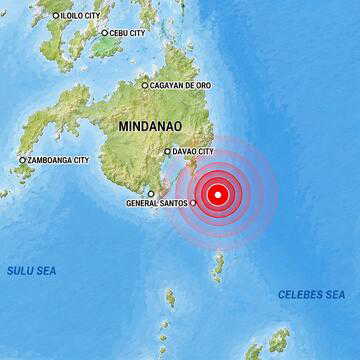
Also Read | 6.2-magnitude earthquake strikes Mindanao, days after deadly Philippines quake killed 65
FAQs
Q1: Will Iran charge ships for passing through the Strait of Hormuz?
Ans: Iran says it will charge fees for maritime services, not a direct transit toll on ships crossing the strait.
Q2: Why is the Strait of Hormuz important to global trade?
Ans: The Strait of Hormuz is a critical shipping route through which a significant share of the world's oil and gas exports passes.