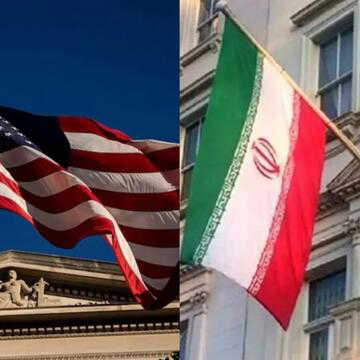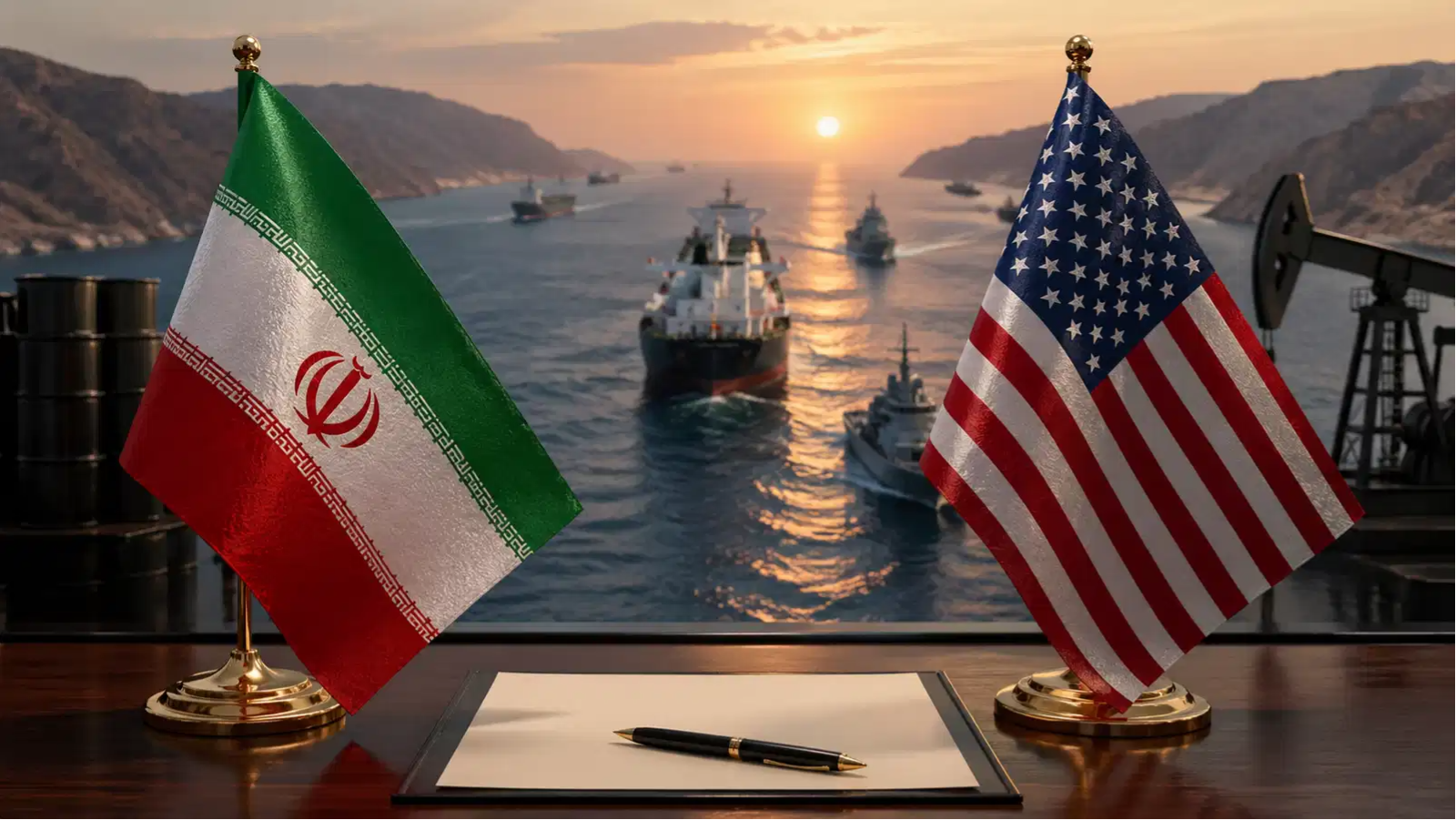
The United States and Iran have agreed on a tentative peace treaty that could prove to be instrumental in easing tensions in the Gulf region and reopening the Strait of Hormuz. According to a report by The Indian Express, the understanding extends the current ceasefire by 60 days and lays down a roadmap for further negotiations.
US President Donald Trump announced the immediate removal of the US naval blockade of Iranian ports. Pakistan Prime Minister Shehbaz Sharif also said both sides had agreed to end hostilities across all fronts and would formally sign the agreement in Switzerland on June 19. Iran's Supreme National Security Council later confirmed that a Memorandum of Understanding (MoU) had been reached with Washington.
What does the draft agreement propose?
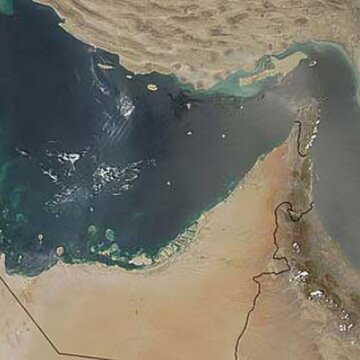
According to details cited by The Indian Express, the draft MoU includes the reopening of the Strait of Hormuz to commercial shipping, the gradual lifting of the US naval blockade, the release of billions of dollars in frozen Iranian assets, and temporary relief from certain sanctions.
The treaty also reportedly commits Iran to maintaining the current status of its nuclear programme and refraining from further uranium enrichment while negotiations continue. In return, the US is expected to avoid imposing new sanctions during the 60-day period and discuss a broader reconstruction and development package for Iran.
The breakthrough came shortly after an Israeli strike on Beirut threatened to derail the ceasefire. Trump said the attack "should not have happened", especially when both sides were close to a peace agreement.
Also Read | Pakistan Air Force crash: Two pilots dead after training aircraft plunges near Mardan
Why the next 60 days matter
While the agreement reduces immediate tensions, analysts believe the next two months will be crucial. The Indian Express noted that the draft understanding postpones a final decision on the nuclear issue, leaving it to future negotiations.
Iran enters the talks with greater leverage than before the conflict, largely due to its ability to influence shipping through the Strait of Hormuz and threaten regional energy infrastructure. At the same time, Tehran faces pressure from hardline groups that oppose any compromise on Hormuz-related issues. Notably, protests erupted in several cities across Iran as news broke that the government was going to sign the agreement.
Questions also remain over the scope of any future US military withdrawal from the region and the exact timeline for implementing various commitments under the draft agreement.
For now, the agreement offers both sides an opportunity to reduce tensions. Whether it evolves into a lasting settlement will depend on how the commitments are implemented over the next 60 days, according to The Indian Express.
FAQs:
1.What does the proposed US-Iran peace framework include?
The draft framework reportedly includes a 60-day ceasefire extension, reopening of the Strait of Hormuz, sanctions relief, and a pause in further Iranian nuclear enrichment.
2.Why is the Strait of Hormuz central to the agreement?
The waterway is a critical global energy route, and its reopening could ease tensions in oil markets and regional trade.